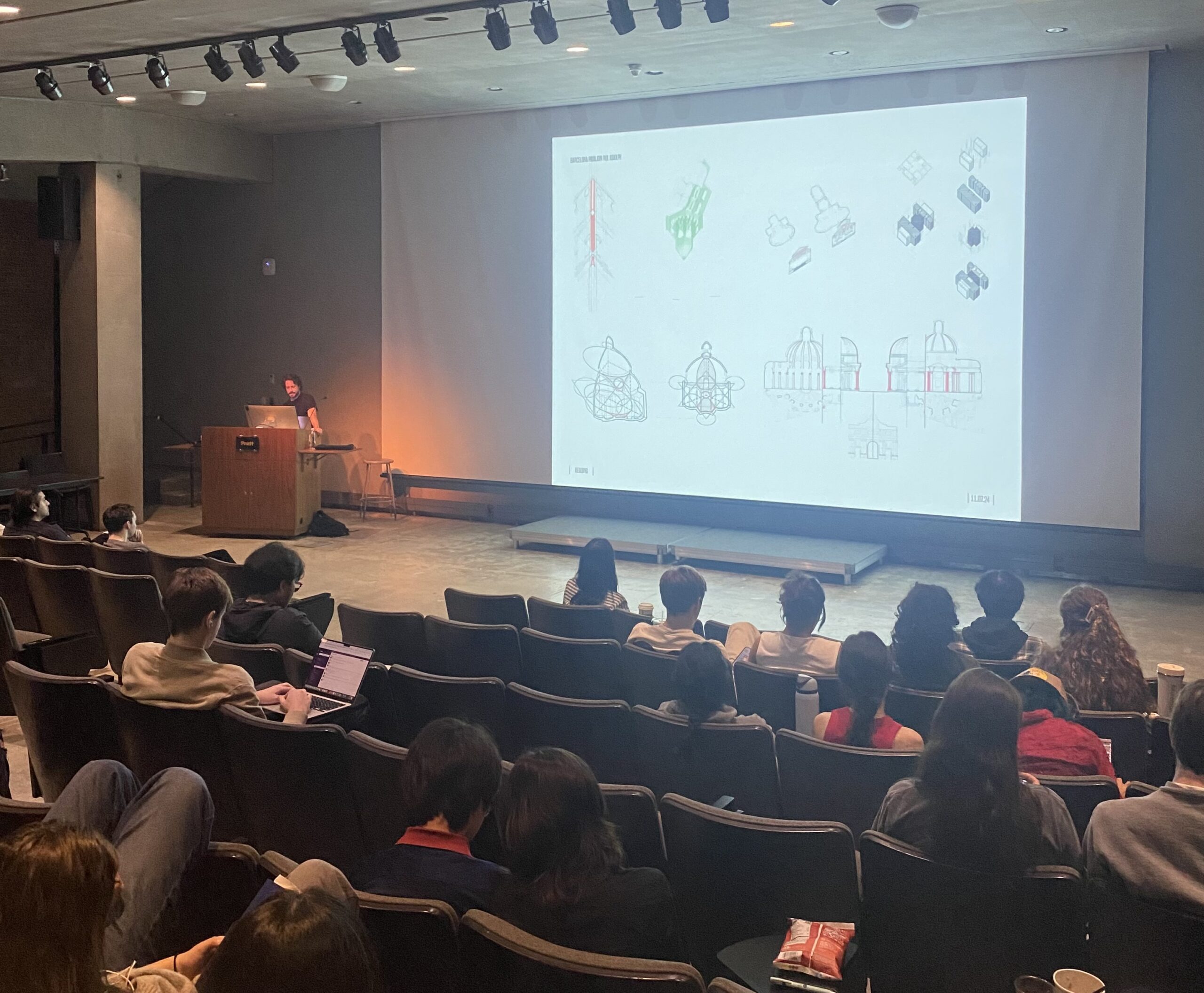
The Design Curriculum Analysis Program at Pratt Institute has emerged as a pivotal innovation in the assessment procedures of the Undergraduate Architecture department. Launched in the 2024-2025 academic year, this program introduces an engaging and critical evaluation process involving external critics, known as “Eminent Analysts”. These experts, chosen for their alignment with the academic year’s theme, are tasked with scrutinizing and enhancing the curriculum through their seasoned perspectives.
Each analyst is integrated into the studio’s culture, participating in midterm, final, and other significant reviews. Their role is not merely observational; they actively contribute to the studio’s dialogue, culminating in a presentation tailored to the studio’s focus. At the semester’s conclusion, a comprehensive feedback loop is established where the Analyst, studio coordinator, and department chairperson discuss insights and recommendations for future improvements.
This inaugural year has been marked by success, thanks in part to the diverse expertise of the 2024-2025 Analysts Cohort:
2024-2025 Analysts Cohort
Fall Semester: First Year Analyst, Nate Hume
Nate Hume, a Brooklyn-based architect and principal of Hume Architecture, brings a wealth of experience. His work features in esteemed publications such as Project, Log, and The New York Times. Hume’s exhibitions have graced venues like The Druker Gallery and Yale Architecture Gallery. As the creator of Suckerpunch, a platform exploring contemporary architecture and art, Hume’s contributions have been invaluable.
Fall Semester: Second Year Analyst, Paul Preissner
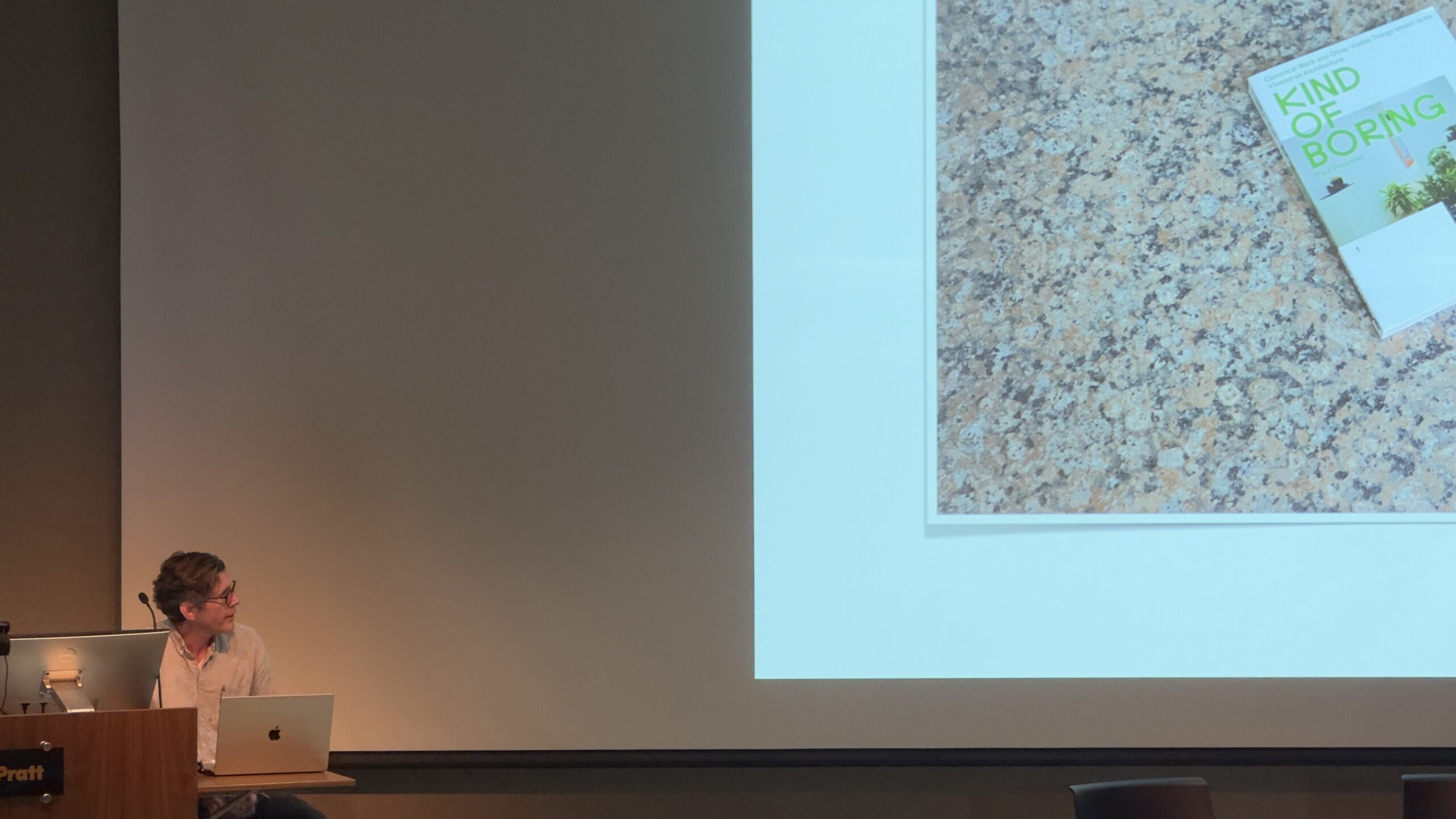
Paul Preissner, of Paul Preissner Architects in Oak Park, Illinois, served as commissioner and co-curator of the United States pavilion at the 17th International Architecture Exhibition – la Biennale di Venezia. His literary contributions include Kind of Boring: Canonical Work and Other Visible Things Meant to Be Viewed as Architecture and American Framing: The Same Something for Everyone.
Spring Semester: Third Year Analyst, Hana Kassem
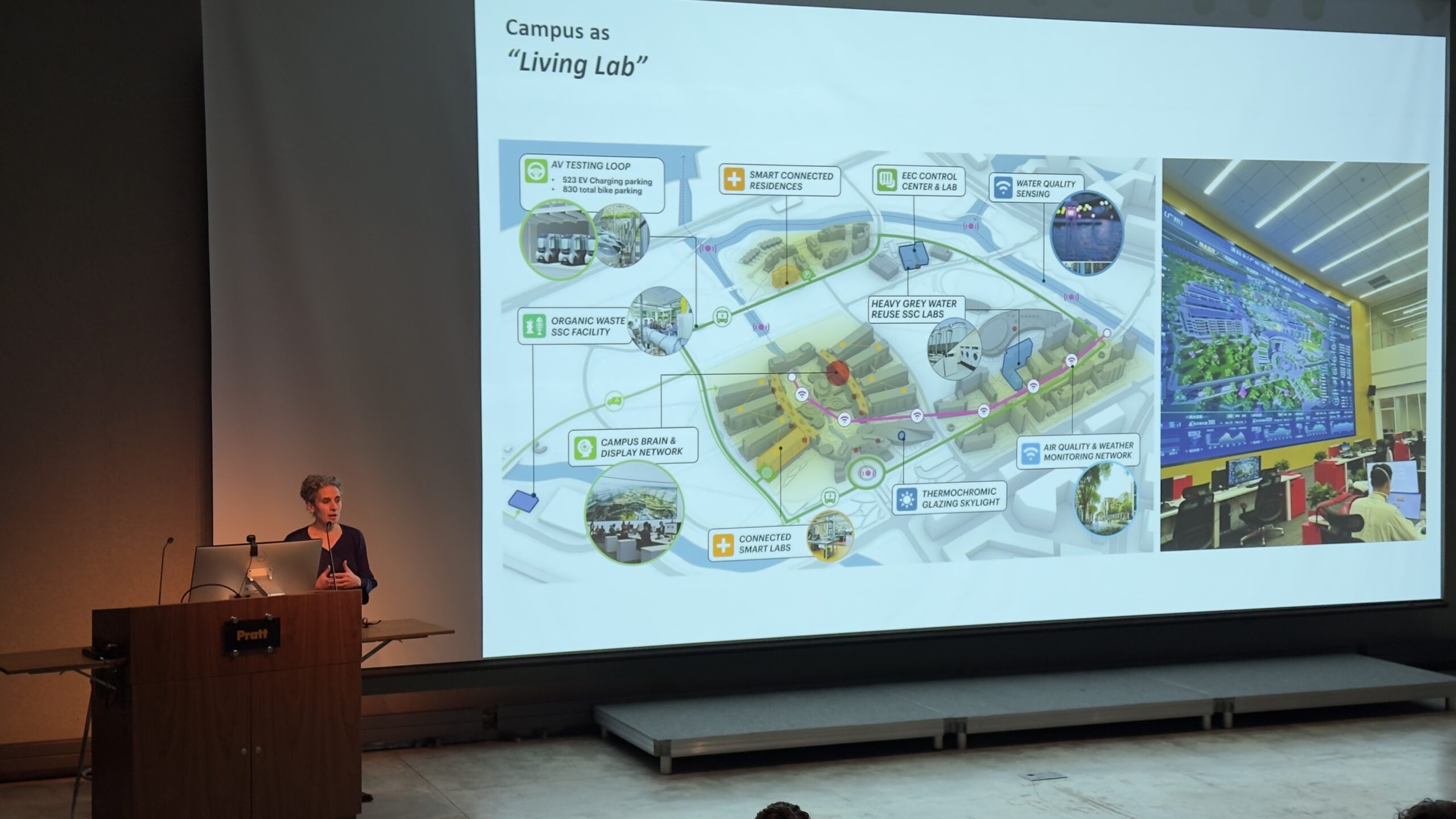
Hana Kassem, Principal at KPF, is renowned for her human-centric design approach. Her focus on sustainability, resiliency, and wellness is evident in her work and teaching at Parsons. She serves on the Van Alen Institute and the AIANY Board of Trustees and is the Founding Chair of the AIANY annual Leaning Out | Women in Architecture panel.
Spring Semester: Degree Project Analyst, Michael Young
Michael Young, an Associate Professor at The Irwin S. Chanin School of Architecture at the Cooper Union, is celebrated for his works, The Estranged Object and Reality Modeled After Images. His practice, Young & Ayata, boasts numerous accolades, including the Progressive Architecture award and the AIANY Honor Award.
For more detailed insights, visit the original article on Pratt Institute’s website. You can also explore more news from the School of Architecture and all Pratt news.
More Articles
Getting licensed or staying ahead in your career can be a journey—but it doesn’t have to be overwhelming. Grab your favorite coffee or tea, take a moment to relax, and browse through our articles. Whether you’re just starting out or renewing your expertise, we’ve got tips, insights, and advice to keep you moving forward. Here’s to your success—one sip and one step at a time!
Flood insurance premiums across Florida are climbing fast, with more than 80% of NFIP policyholders seeing annual increases under FEMA’s Risk Rating 2.0. Some counties now face hikes exceeding $3,500 per year, adding pressure in a state where homeowners insurance already averages nearly $11,000 annually. As risk-based pricing takes hold and climate impacts intensify, Florida homeowners — and the real estate pros who advise them — must prepare for continued premium growth and major county‑to‑county disparities.
As insurers step into 2026, the property and casualty market shows its first signs of real stability after several turbulent years. Q4 results reveal disciplined underwriting, cooling rate hikes, and steady premium growth across major carriers. Commercial lines show selective momentum, personal lines begin to level out, and AI-driven efficiency becomes the industry’s new engine for profitability. With catastrophe losses moderating and tech adoption accelerating, professionals across insurance, real estate, and finance can expect a pivotal year—and an ideal moment to sharpen their skills through continuing education.
A new CBRE survey shows that most U.S. commercial real estate investors expect to increase their property purchases in 2026, signaling renewed confidence and market stabilization. Dallas remains the nation’s top target for the fifth straight year, followed by high‑growth metros like Atlanta, San Francisco, Miami, Charlotte, Raleigh‑Durham, Nashville, Tampa, Seattle, and New York City. These cities continue to draw strong investor interest due to population growth, business expansion, and robust development activity.
Florida Insurance Commissioner Michael Yaworsky says the state's turbulent property insurance market is finally calming, with Florida posting the lowest rate increases in the nation last year. Yet rising home replacement costs mean many homeowners won’t see relief in their premiums just yet. With Citizens Insurance shrinking, new legislative priorities emerging, and long‑term reforms taking hold, Florida’s real estate and insurance professionals are entering 2026 with cautious optimism and a clearer picture of what’s ahead.
A new CBRE survey shows investor optimism surging as 95% plan to buy more or the same amount of commercial real estate in 2026, with over half increasing their capital allocation. Stabilizing values, improving fundamentals, and expected relief in debt costs are driving renewed confidence, putting markets like Dallas, Atlanta, and Tampa in the spotlight as multifamily and industrial assets lead demand.
Artificial intelligence has moved from industry buzzword to essential mortgage‑lending tool, reshaping how loan officers work, communicate and compete. From smarter lead targeting to rapid content creation and CRM‑powered automation, AI is now the dividing line between lenders who scale efficiently and those stuck in manual workflows. This article breaks down why AI adoption is no longer optional, how top lenders are using it and what mortgage professionals must do now to stay competitive.