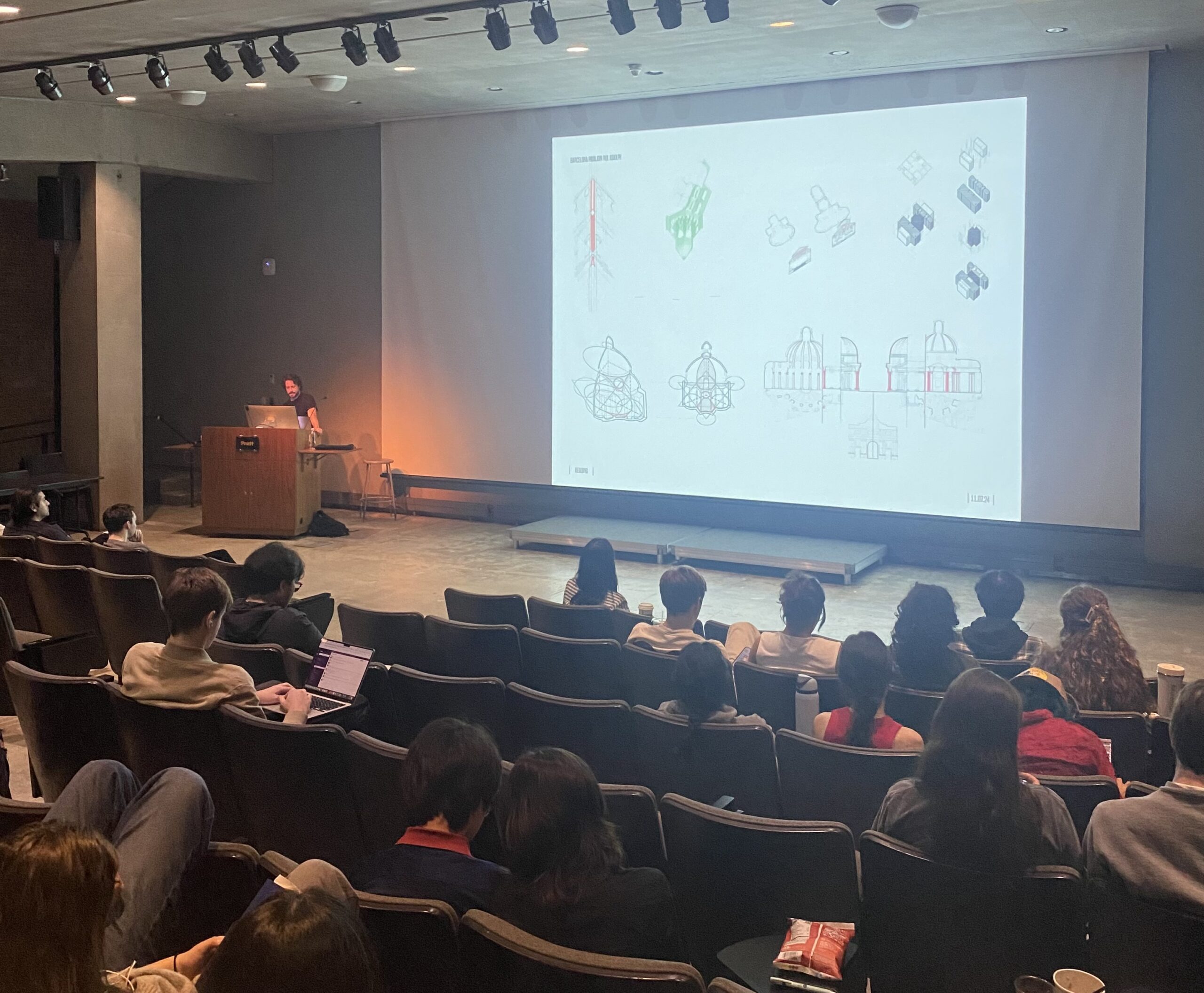
The Design Curriculum Analysis Program at Pratt Institute has emerged as a pivotal innovation in the assessment procedures of the Undergraduate Architecture department. Launched in the 2024-2025 academic year, this program introduces an engaging and critical evaluation process involving external critics, known as “Eminent Analysts”. These experts, chosen for their alignment with the academic year’s theme, are tasked with scrutinizing and enhancing the curriculum through their seasoned perspectives.
Each analyst is integrated into the studio’s culture, participating in midterm, final, and other significant reviews. Their role is not merely observational; they actively contribute to the studio’s dialogue, culminating in a presentation tailored to the studio’s focus. At the semester’s conclusion, a comprehensive feedback loop is established where the Analyst, studio coordinator, and department chairperson discuss insights and recommendations for future improvements.
This inaugural year has been marked by success, thanks in part to the diverse expertise of the 2024-2025 Analysts Cohort:
2024-2025 Analysts Cohort
Fall Semester: First Year Analyst, Nate Hume
Nate Hume, a Brooklyn-based architect and principal of Hume Architecture, brings a wealth of experience. His work features in esteemed publications such as Project, Log, and The New York Times. Hume’s exhibitions have graced venues like The Druker Gallery and Yale Architecture Gallery. As the creator of Suckerpunch, a platform exploring contemporary architecture and art, Hume’s contributions have been invaluable.
Fall Semester: Second Year Analyst, Paul Preissner
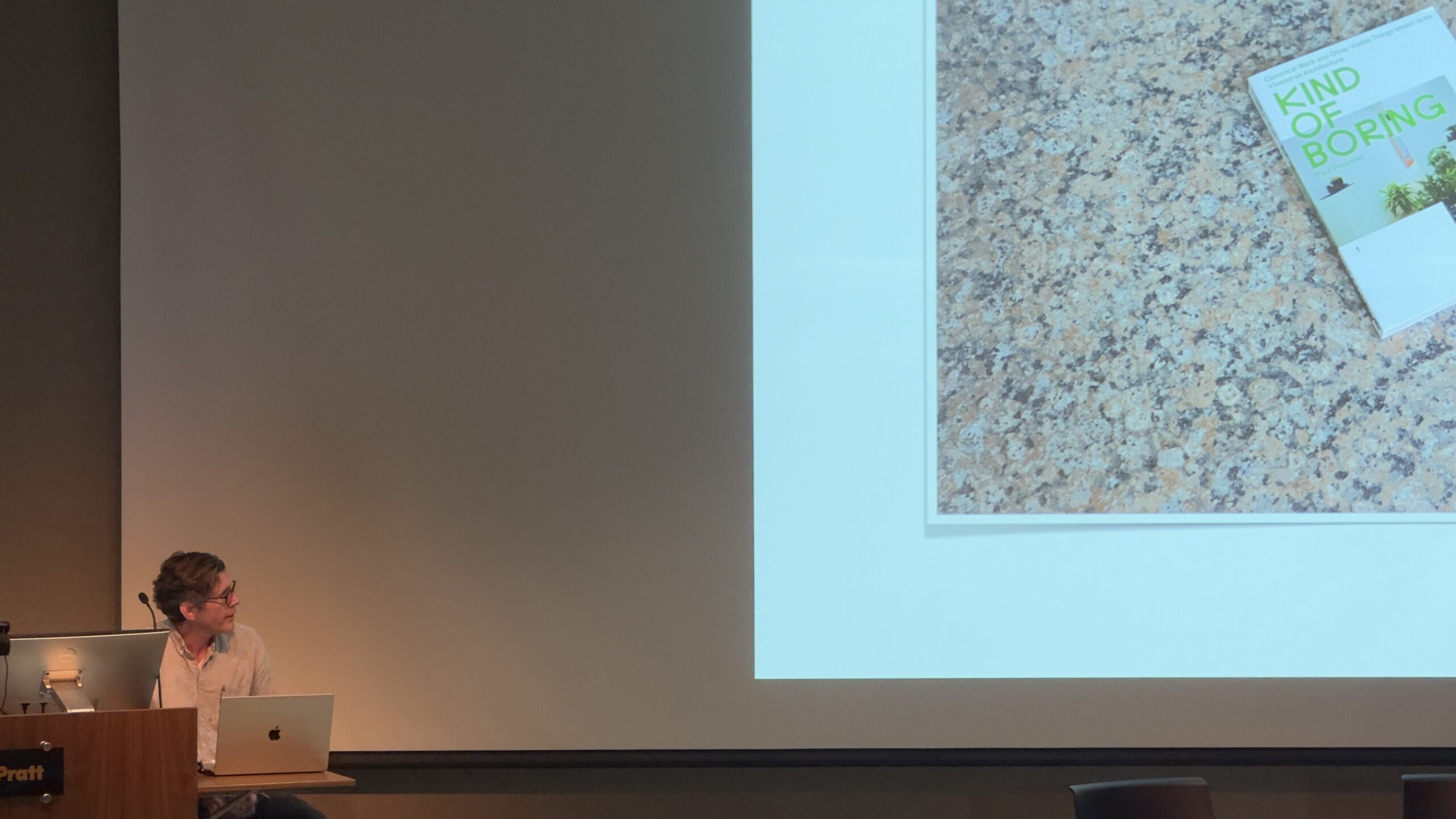
Paul Preissner, of Paul Preissner Architects in Oak Park, Illinois, served as commissioner and co-curator of the United States pavilion at the 17th International Architecture Exhibition – la Biennale di Venezia. His literary contributions include Kind of Boring: Canonical Work and Other Visible Things Meant to Be Viewed as Architecture and American Framing: The Same Something for Everyone.
Spring Semester: Third Year Analyst, Hana Kassem
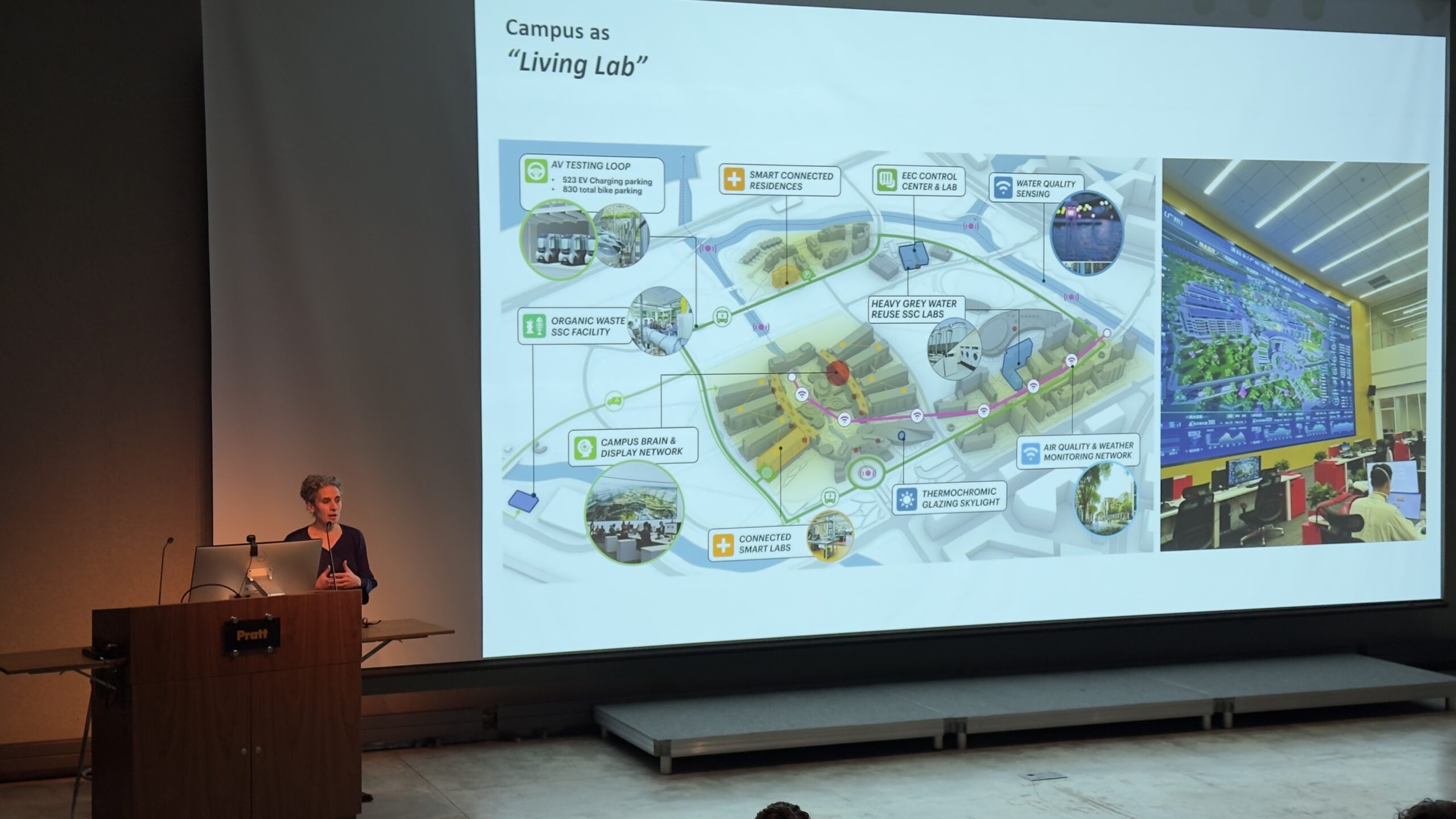
Hana Kassem, Principal at KPF, is renowned for her human-centric design approach. Her focus on sustainability, resiliency, and wellness is evident in her work and teaching at Parsons. She serves on the Van Alen Institute and the AIANY Board of Trustees and is the Founding Chair of the AIANY annual Leaning Out | Women in Architecture panel.
Spring Semester: Degree Project Analyst, Michael Young
Michael Young, an Associate Professor at The Irwin S. Chanin School of Architecture at the Cooper Union, is celebrated for his works, The Estranged Object and Reality Modeled After Images. His practice, Young & Ayata, boasts numerous accolades, including the Progressive Architecture award and the AIANY Honor Award.
For more detailed insights, visit the original article on Pratt Institute’s website. You can also explore more news from the School of Architecture and all Pratt news.
More Articles
Getting licensed or staying ahead in your career can be a journey—but it doesn’t have to be overwhelming. Grab your favorite coffee or tea, take a moment to relax, and browse through our articles. Whether you’re just starting out or renewing your expertise, we’ve got tips, insights, and advice to keep you moving forward. Here’s to your success—one sip and one step at a time!
President Trump recently suggested mortgage rates will drop “a lot lower” by early 2026, sparking industry-wide curiosity — but current economic data tells a more measured story. With today’s 30‑year fixed hovering near 6.25%, experts say meaningful declines remain possible, though not guaranteed, and would depend on softer inflation, weaker economic signals, or a shift in bond market behavior. While political comments created headlines, analysts emphasize that only market conditions — not rhetoric — can drive rates down. Independent forecasts already point toward mid‑5% rates by 2026, offering a potentially healthier landscape for buyers, agents, and mortgage professionals preparing for the next cycle.
Artificial intelligence has moved from a futuristic concept to a central force driving today’s mortgage industry. From smarter underwriting to enhanced borrower experiences and tighter compliance, AI is transforming every corner of mortgage lending. As expectations rise and competition accelerates, AI literacy is no longer optional — it’s a core skill every mortgage, real estate and finance professional must master to stay relevant and lead confidently.
Global commercial real estate is shifting away from short-term recovery cycles and entering a long-term transformation driven by technology, sustainability, demographic change, and evolving work‑life patterns. Capital is becoming more selective, favoring resilient assets and alternative lenders, while high‑demand sectors such as industrial, logistics, data infrastructure, and specialized residential continue to outperform. Geography, sustainability standards, and flexibility are emerging as defining forces for the next cycle, signaling major opportunities—and challenges—for real estate professionals preparing for the future.
Artificial intelligence has moved from hype to essential infrastructure in the real estate world. From smarter valuations and predictive analytics to automated lead generation and personalized property-matching tools, AI is transforming how agents, brokers, lenders, and managers operate. As top platforms like Zillow, Redfin, Opendoor, and dozens more integrate deep‑learning technology, professionals across real estate, mortgage, insurance, and finance are being pushed to adapt. The future belongs to those who embrace these tools — and use them to elevate speed, accuracy, and client experience.
Florida’s once‑troubled property insurance market has staged an impressive recovery after its near‑collapse in 2022. A new ALIRT Insurance Research report shows that legislative reforms, tighter underwriting and the arrival of new insurers have restored stability, reduced Citizens’ policy load and revived industry confidence. While risks remain, the rebound is reshaping housing affordability and creating fresh opportunities for real estate, mortgage and insurance professionals.
A new bill gaining momentum in Tallahassee would stop insurers from denying claims based solely on artificial intelligence. Championed by Rep. Hillary Cassell, the proposal aims to restore trust in Florida’s troubled insurance market by ensuring human oversight in decisions that affect homeowners, newcomers, and industry professionals. As debates intensify, experts warn AI is reshaping insurance faster than ever—making it critical for real estate, mortgage, and insurance professionals to understand the regulatory shifts ahead.