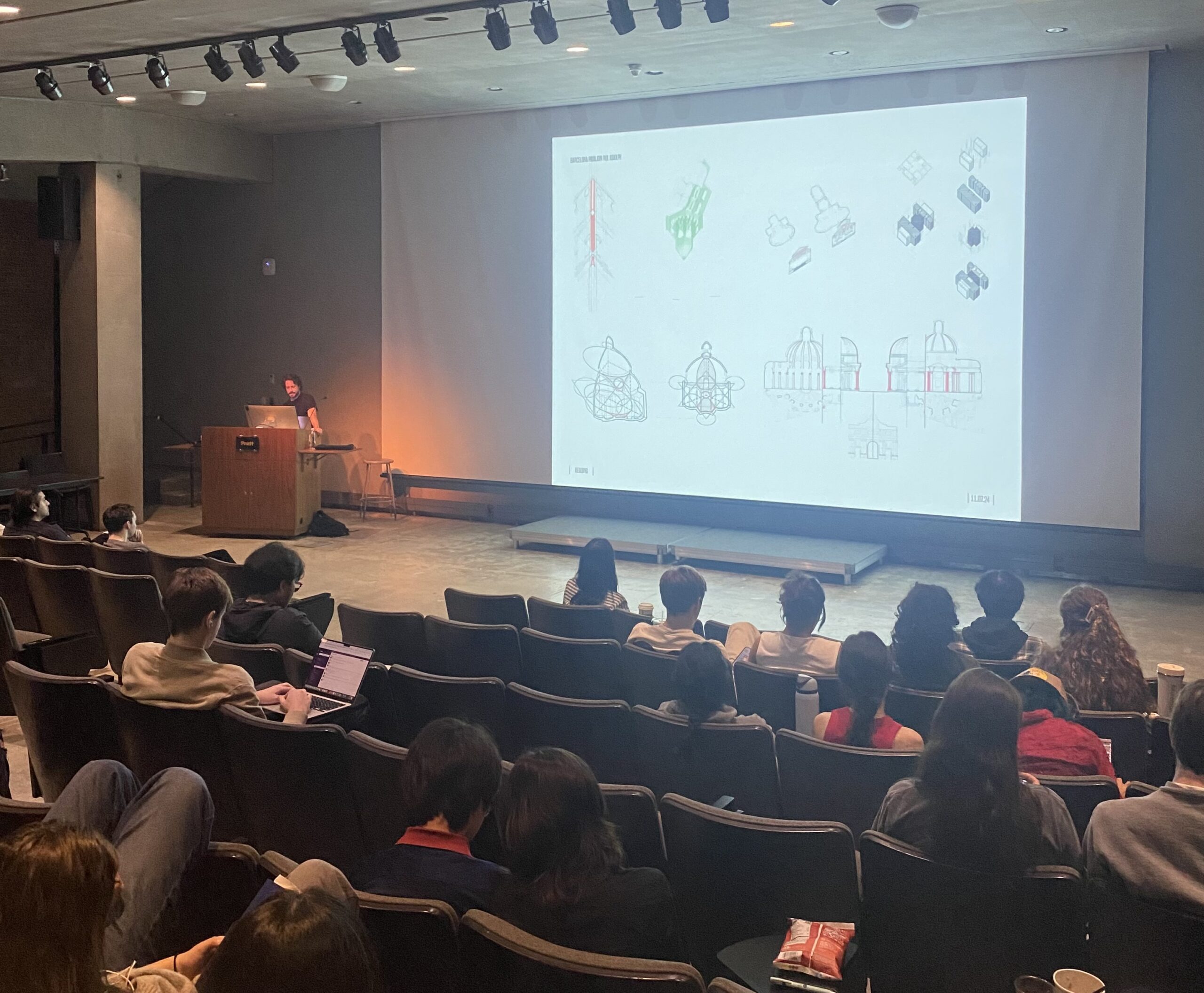
The Design Curriculum Analysis Program at Pratt Institute has emerged as a pivotal innovation in the assessment procedures of the Undergraduate Architecture department. Launched in the 2024-2025 academic year, this program introduces an engaging and critical evaluation process involving external critics, known as “Eminent Analysts”. These experts, chosen for their alignment with the academic year’s theme, are tasked with scrutinizing and enhancing the curriculum through their seasoned perspectives.
Each analyst is integrated into the studio’s culture, participating in midterm, final, and other significant reviews. Their role is not merely observational; they actively contribute to the studio’s dialogue, culminating in a presentation tailored to the studio’s focus. At the semester’s conclusion, a comprehensive feedback loop is established where the Analyst, studio coordinator, and department chairperson discuss insights and recommendations for future improvements.
This inaugural year has been marked by success, thanks in part to the diverse expertise of the 2024-2025 Analysts Cohort:
2024-2025 Analysts Cohort
Fall Semester: First Year Analyst, Nate Hume
Nate Hume, a Brooklyn-based architect and principal of Hume Architecture, brings a wealth of experience. His work features in esteemed publications such as Project, Log, and The New York Times. Hume’s exhibitions have graced venues like The Druker Gallery and Yale Architecture Gallery. As the creator of Suckerpunch, a platform exploring contemporary architecture and art, Hume’s contributions have been invaluable.
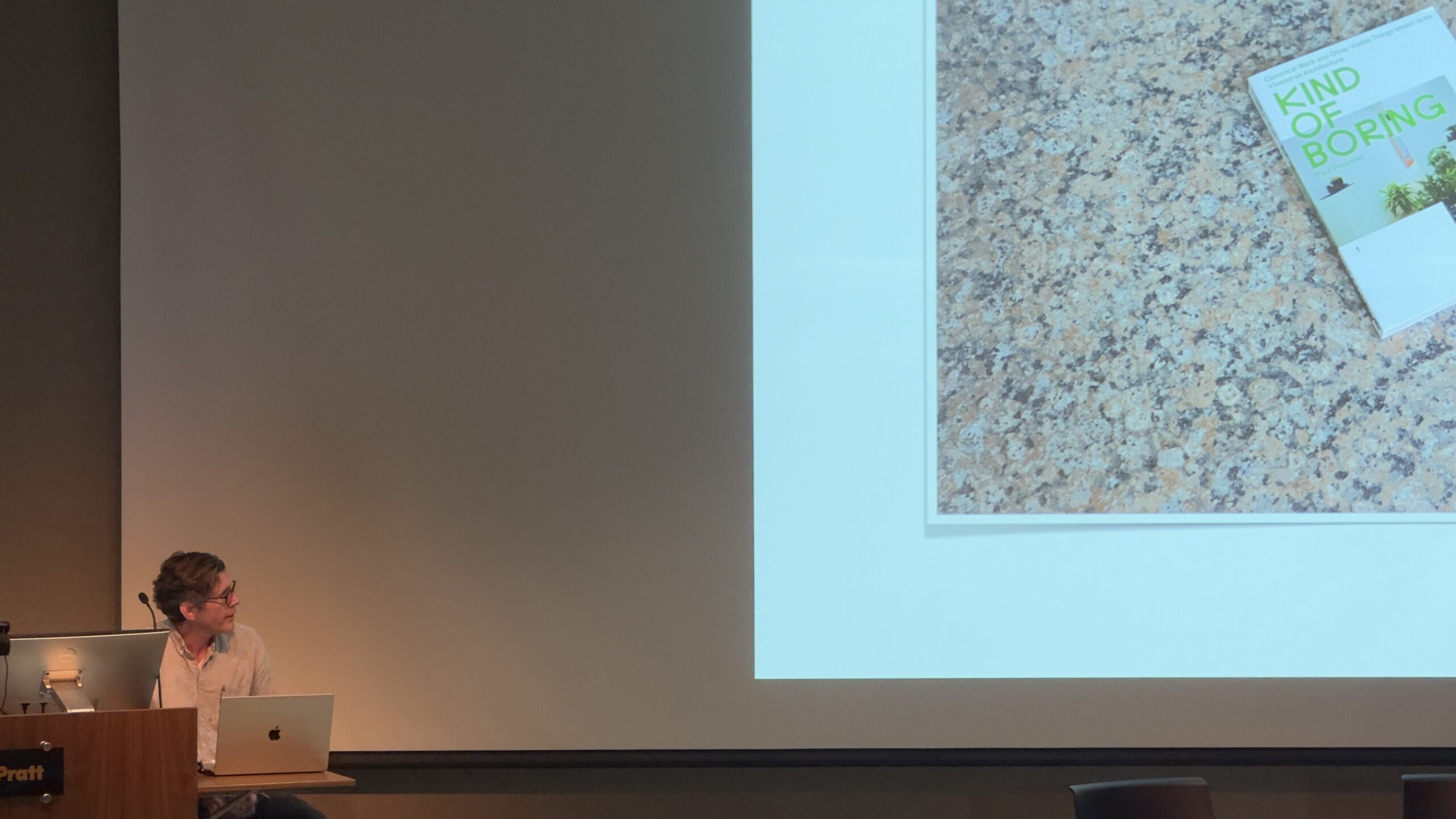
Fall Semester: Second Year Analyst, Paul Preissner
Paul Preissner, of Paul Preissner Architects in Oak Park, Illinois, served as commissioner and co-curator of the United States pavilion at the 17th International Architecture Exhibition – la Biennale di Venezia. His literary contributions include Kind of Boring: Canonical Work and Other Visible Things Meant to Be Viewed as Architecture and American Framing: The Same Something for Everyone.
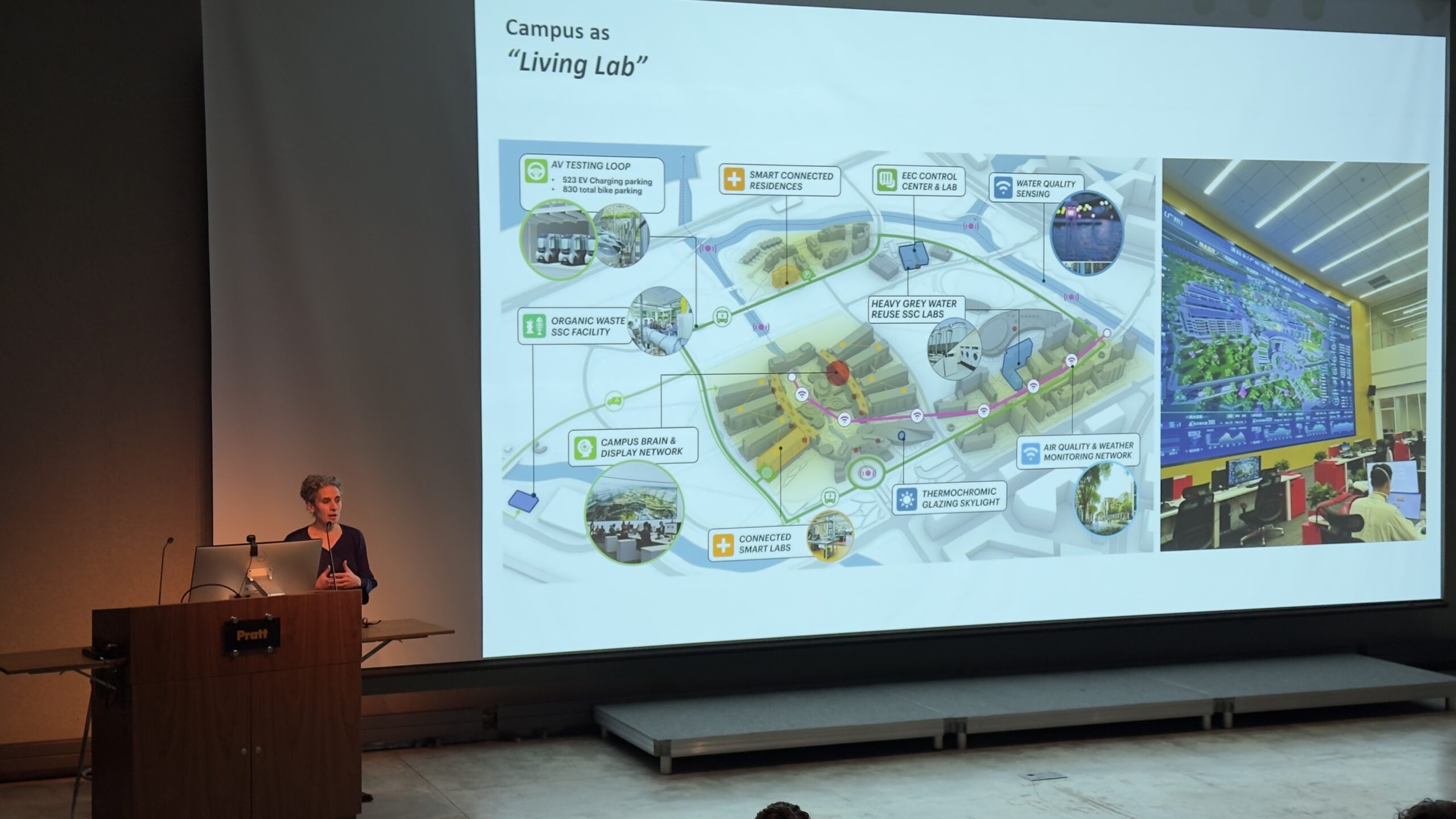
Spring Semester: Third Year Analyst, Hana Kassem
Hana Kassem, Principal at KPF, is renowned for her human-centric design approach. Her focus on sustainability, resiliency, and wellness is evident in her work and teaching at Parsons. She serves on the Van Alen Institute and the AIANY Board of Trustees and is the Founding Chair of the AIANY annual Leaning Out | Women in Architecture panel.
Spring Semester: Degree Project Analyst, Michael Young
Michael Young, an Associate Professor at The Irwin S. Chanin School of Architecture at the Cooper Union, is celebrated for his works, The Estranged Object and Reality Modeled After Images. His practice, Young & Ayata, boasts numerous accolades, including the Progressive Architecture award and the AIANY Honor Award.
For more detailed insights, visit the original article on Pratt Institute’s website. You can also explore more news from the School of Architecture and all Pratt news.
More Articles
Getting licensed or staying ahead in your career can be a journey—but it doesn’t have to be overwhelming. Grab your favorite coffee or tea, take a moment to relax, and browse through our articles. Whether you’re just starting out or renewing your expertise, we’ve got tips, insights, and advice to keep you moving forward. Here’s to your success—one sip and one step at a time!
Artificial intelligence has shifted from a novelty to a defining force in real estate, transforming everything from listing creation to virtual staging while raising new legal and ethical risks. As AI adoption accelerates, experts warn that the agents who embrace automation and new tools now will gain a major competitive edge, while those who delay could fall behind in a rapidly evolving industry.
As AI and automation reshape the workforce, one form of career protection remains as powerful as ever: earning a state license. From real estate to trades to finance, licensed professionals stay in high demand because their work requires proven competence, accountability and human judgment—qualities technology can enhance but never replace. With trade enrollment surging, investor interest growing and licensing on the rise across the country, credentials have become a reliable path to stability, mobility and long-term earning potential.
A new wave of AI platforms is redefining how real estate agents identify buyer intent, spark conversations, and nurture relationships. From conversational home search engines to predictive opportunity alerts and relationship‑intelligence systems, these tools are helping agents connect sooner and smarter—reshaping daily workflows as the 2026 market approaches.
Texas money is riding hard into San Francisco, snapping up distressed downtown buildings at prices not seen in decades. From Union Square to California Street, major players like Lone Star Funds are betting big on the city’s rebound, signaling that the market may have finally hit bottom and that a new wave of opportunity is taking shape for savvy real estate professionals nationwide.
The 2025 holiday season is expected to break the $1 trillion sales mark, but economists say the milestone masks deeper consumer caution, income‑driven spending gaps, and weakening unit sales. Urban Land Magazine’s latest analysis shows how these mixed signals are shaping a selective, uneven landscape for U.S. commercial real estate heading into 2026—where strong locations thrive, weaker assets struggle, and affluent shoppers continue to dictate market performance.
As 2025 ends, the housing market is inching toward balance with slower price growth, rising inventory, and steadier mortgage rates. Experts predict modest 1% to 2% home‑price growth in 2026—not a crash, but a calmer, more predictable market shaped by regional differences. With the Fed easing rates and inventory climbing in key cities, 2026 may become the most buyer‑friendly year in recent memory, especially for those prepared to act when the right home appears.