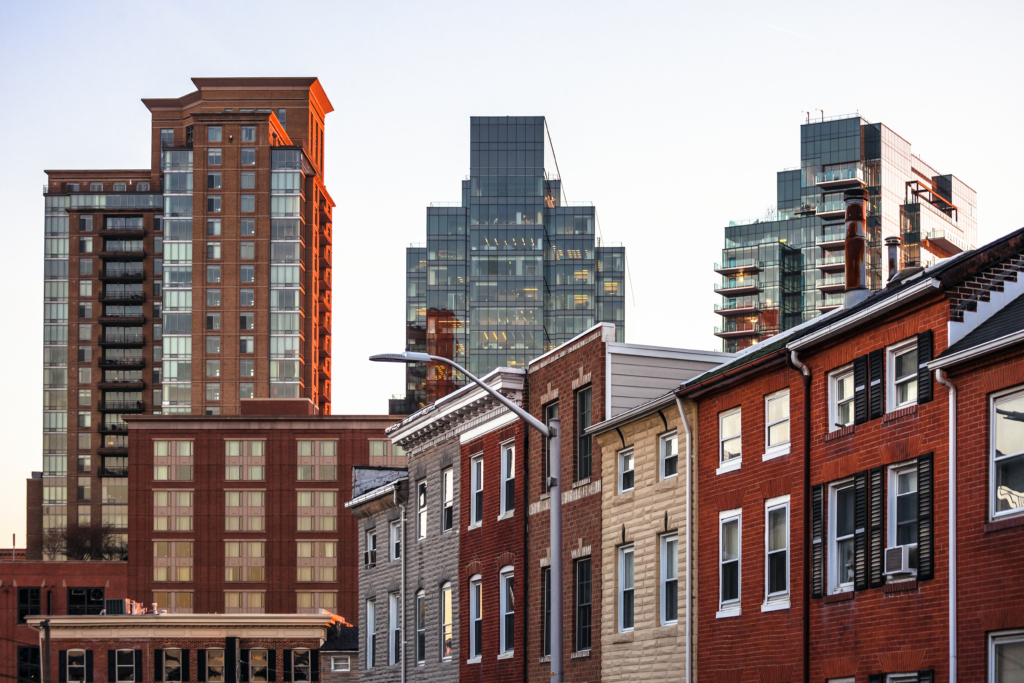
In the bustling metropolises of Dubai and Karachi, high-rise projects have become the architectural epitome of modernity and economic growth. These towering structures are not just feats of engineering; they are symbols of urban development, reshaping city skylines and redefining real estate landscapes. However, as competition intensifies, developers are turning to innovative marketing strategies to ensure their projects stand out in these vibrant markets.

One of the key strategies highlighted in a recent LinkedIn article by Muhammad Asif, is the use of digital marketing and establishing a robust online presence. Platforms like Facebook, Instagram, and LinkedIn have become indispensable tools for reaching potential buyers. Developers leverage these platforms to create engaging content that showcases the unique features of their high-rise projects. The use of high-quality images, virtual tours, and client testimonials has proven effective in capturing the interest of a broad audience. For instance, iconic projects such as the Burj Khalifa in Dubai have successfully used social media to maintain a buzz around their developments.

In addition to social media, influencer partnerships have emerged as a powerful strategy. Collaborating with influencers who have significant followings can help developers reach a wider audience. These influencers offer authentic reviews and showcase the lifestyle these high-rise projects offer. In Karachi, partnering with local celebrities or lifestyle bloggers can create a positive impact and drive interest among potential buyers.

Moreover, developers are embracing Virtual Reality (VR) and Augmented Reality (AR) technologies to provide prospective buyers with immersive experiences. Virtual tours allow buyers to explore properties from the comfort of their homes, viewing different layouts and even customizing interiors. This technology is particularly beneficial for international buyers who cannot visit the sites physically. Developers in Dubai have been pioneers in incorporating VR and AR into their marketing strategies, setting a benchmark for others to follow.

Another innovative approach is content marketing and storytelling. By crafting compelling narratives around their projects, developers can build an emotional connection with potential buyers. Highlighting the history, vision, and unique aspects of a project can make it more relatable. For example, the transformation of Palm Jumeirah into a luxurious residential area has been a significant selling point in Dubai.

Strategic partnerships and collaborations also play a crucial role. Collaborating with local businesses, international brands, and renowned architects can enhance a project’s appeal. For instance, Dubai’s collaboration with international brands for projects like Armani Residences has set a precedent for such partnerships.

Finally, the focus on sustainability and green building practices is gaining traction. Highlighting eco-friendly features and sustainability initiatives can attract environmentally conscious buyers. Projects like The Sustainable City in Dubai have gained popularity due to their focus on sustainability.

In conclusion, these innovative marketing strategies are not just about enhancing visibility; they are about building trust and creating a lasting impact on the target audience. By adopting these strategies, developers in Dubai and Karachi can ensure their high-rise projects stand out in the bustling real estate market.

More Articles

Getting licensed or staying ahead in your career can be a journey—but it doesn’t have to be overwhelming. Grab your favorite coffee or tea, take a moment to relax, and browse through our articles. Whether you’re just starting out or renewing your expertise, we’ve got tips, insights, and advice to keep you moving forward. Here’s to your success—one sip and one step at a time!

The Tokenization Tsunami: Why Digital Assets Are Reshaping Wall Street, Washington, and Your Professional Future

Tokenization has surged from crypto niche to global financial disruptor as institutions like Robinhood, BlackRock, and Coinbase race to digitize real-world assets. With pro‑crypto political momentum, shifting regulations, and private companies resisting newfound transparency, this emerging wave is transforming how investments are bought, sold, and accessed. For professionals in real estate, finance, lending, and insurance, this shift signals massive opportunity—and equally massive responsibility—as the next era of asset ownership takes shape.

Florida’s 2026 Insurance Shake‑Up: Citizens Approves Major Statewide Rate Cuts

Florida homeowners are finally getting relief as Citizens Property Insurance announces an average 8.7% statewide rate reduction for 2026, with South Florida seeing cuts as high as 14%. Driven by recent tort reforms and a stabilizing market, these decreases signal a major turnaround for an industry once on the brink of collapse — and a potential boost for real estate activity across the state.

The 2026 Housing Market Finally Returns to “Normal” as Inventory Stabilizes and Demand Takes the Lead

After years of roller‑coaster chaos, the 2026 U.S. housing market is easing into something professionals haven’t seen in a long time: balance. Inventory growth has slowed to just 10% year over year—down sharply from 2025’s surge—signaling the end of the pandemic‑era scarcity and the rise of a market driven by real‑time demand and interest rates. With seasonal patterns returning, negotiations replacing bidding wars and rates drifting toward 6%, agents, lenders and investors are finally navigating conditions that look… normal.

Gen Z Is Skipping Wall Street Advice and Turning to #RichTok for Financial Independence

More than half of Gen Z investors say they entered the stock market because of social media—not textbooks, not advisors. Viral creators, AI tools, and crypto trends are reshaping how young adults learn about money, invest early, and chase financial freedom. This Fortune‑featured shift highlights a generation determined to build wealth fast, trust digital voices over traditional institutions, and redefine financial education for the future.

The U.S. Housing Market Is Finally Normalizing in 2026 — What Today’s Professionals Need to Know

After years of extremes, the U.S. housing market is shifting into a more balanced, predictable phase. Inventory growth has cooled from last year’s surge, seasonality is returning, and pricing is becoming increasingly rate‑sensitive. With mortgage rates hovering near 6% and policy changes reshaping investor participation, 2026 is emerging as a negotiation‑driven market where skilled agents, lenders, builders, and investors have a renewed advantage. This new landscape rewards strategy, education, and real‑time demand awareness—making it an ideal moment for professionals to refine their approach and capitalize on the market’s normalization.

Mortgage Rates Could Drop Faster Than Expected in 2026, Thanks to New MBS Policy

A sudden policy shift at the start of 2026 is already pushing mortgage rates lower, dipping them under 6% for the first time in months. New projections suggest the government-sponsored enterprises’ $200 billion in mortgage‑backed securities purchases could accelerate rate declines throughout the year, boosting affordability, home sales, and overall market activity for buyers, sellers, and real estate professionals alike.