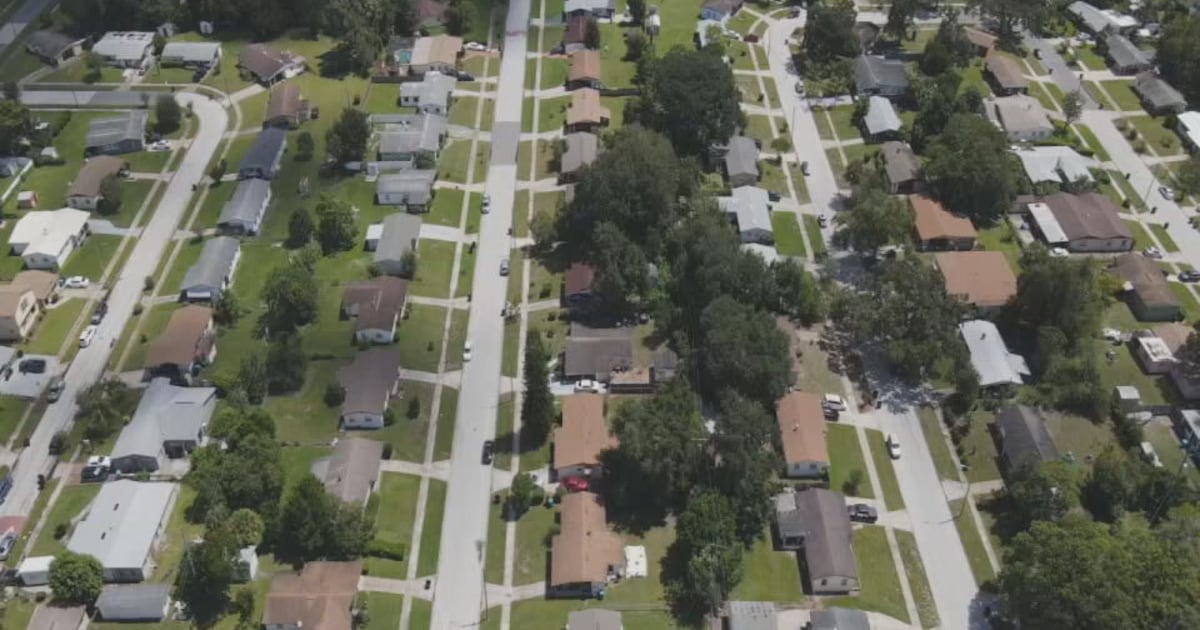
In the heart of California, a state renowned for its innovation and economic prowess, a housing crisis looms large. The demand for housing far exceeds the supply, leading to skyrocketing costs and a severe affordability gap. According to the National Low Income Housing Coalition’s annual report, there are only 24 affordable housing units available for every 100 extremely low-income households in California.
This crisis is exacerbated by the fact that California ranks among the highest states with cost-burdened renters, with nearly 30% of renters paying more than half of their income on housing, as noted by the PPIC blog. Families are forced to make tough choices between essential needs and housing costs, often leading to displacement or homelessness.
Can California Solve Its Affordable Housing Crisis?
Despite these daunting challenges, there is hope. The Chan Zuckerberg Initiative (CZI) believes that California can indeed solve its affordable housing crisis. Through innovative solutions and collaborative efforts, progress is being made. One such initiative, Project Roomkey, launched in response to the COVID-19 pandemic, successfully moved approximately 62,000 unhoused individuals into hotel rooms, demonstrating the power of flexible funding and innovative approaches.
Building on this success, California has continued the program under the name Homekey, allocating $300 million to extend its reach. Furthermore, the passage of Proposition 1 has secured $6.4 billion in bond money to support mental health and permanent supportive housing for veterans and those experiencing homelessness.
Innovative Solutions to Housing
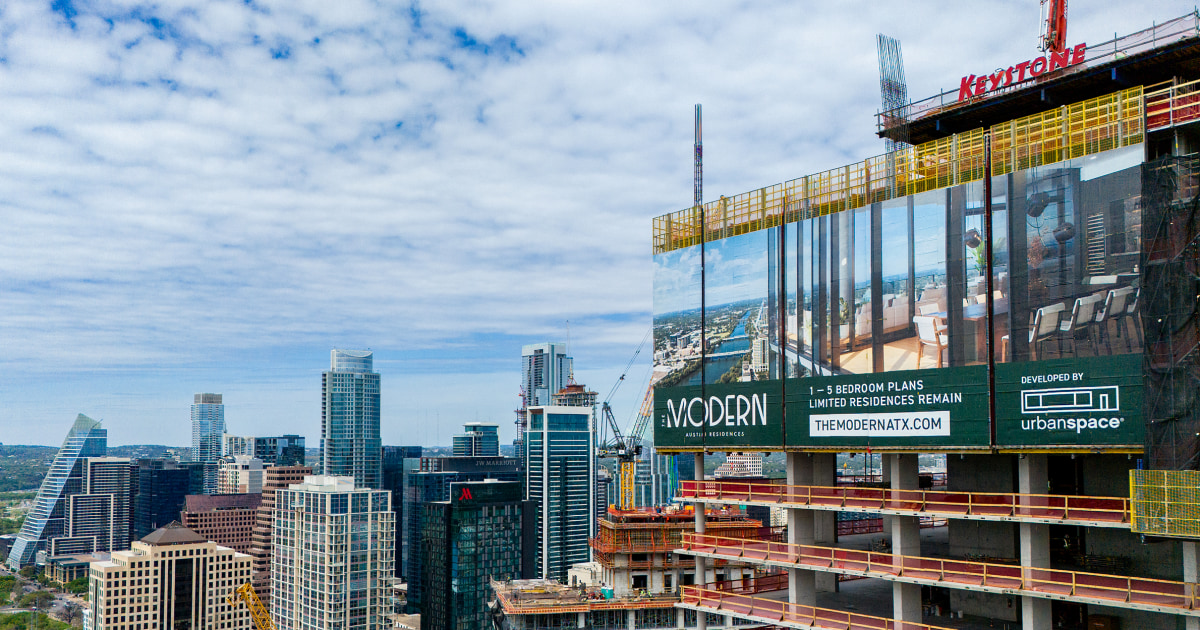
One promising avenue is exploring new methods of construction. With construction costs in California having increased by 36.5% from January 2021 to January 2024, as reported by the California Construction Cost Index, modular and industrialized construction methods offer a potential solution. These technologies promise lower costs and faster build times, crucial for addressing the housing shortage.
Additionally, alternative forms of homeownership such as community land trusts and housing cooperatives are being explored to address systemic barriers and create permanently affordable housing. These models offer shared wealth-building opportunities and have shown promise in reimagining ownership in the U.S.
Cross-Sector Collaboration and Legislative Support
Solving the housing crisis requires a comprehensive approach involving multiple sectors. The Partnership for the Bay’s Future exemplifies this by using innovative financing and bringing together diverse voices to tackle housing affordability. Celebrating five years of impact, this partnership has protected over 73,000 tenants and financed thousands of homes.
Learning from successful COVID-19 housing solutions, such as statewide eviction moratoriums and rental relief programs, has also been pivotal. These measures have prevented evictions and supported hundreds of thousands of households during the pandemic.
Transforming Underutilized Lands
Another innovative strategy involves transforming surplus and underutilized lands into affordable homes. Legislation has been passed to prioritize building on government-owned land, unlocking vast potential for new housing developments. Faith communities, with acres of unused land, are also being encouraged to participate in these efforts.
Preserving Existing Affordable Housing
Preservation of existing affordable housing is equally crucial. Initiatives like the Los Angeles Local Rental Owners Collaborative aim to support local landlords and prevent tenant displacement, keeping communities intact and housing affordable.
While there is no single solution to California’s housing crisis, the combination of innovative construction, alternative ownership models, cross-sector collaboration, legislative support, and preservation efforts offers a multifaceted approach to rebuilding the housing system. As the Chan Zuckerberg Initiative emphasizes, the solutions are there; it’s about staying committed to seeing them through.
“`
More Articles
Getting licensed or staying ahead in your career can be a journey—but it doesn’t have to be overwhelming. Grab your favorite coffee or tea, take a moment to relax, and browse through our articles. Whether you’re just starting out or renewing your expertise, we’ve got tips, insights, and advice to keep you moving forward. Here’s to your success—one sip and one step at a time!
After years of soaring premiums and insurer instability, Florida’s property insurance market is finally turning a corner. Major carriers have filed 83 requests for rate decreases heading into 2026, with companies like Florida Peninsula and Patriot Select proposing cuts of 8.4% and 11.3%. Some homeowners may see relief as early as next month, signaling a long‑awaited shift toward market stability.
Fix-and-flip investing is gearing up for one of its strongest years in a decade as 2026 approaches. With cheaper capital, more accessible funding, easing interest rates, and long-awaited increases in housing inventory, investors are finding the perfect environment to launch or scale renovation-based real estate businesses. Renovation continues to outpace new construction in cost and speed, and demand for move-in-ready homes remains high, making 2026 a powerful opportunity window for both new and experienced investors.
After a short-lived period of relief in 2025, the U.S. rental market may be headed for a tighter, more expensive 2026. With construction starts dropping nearly 11% and completions plunging 42%, the surge of new apartments that helped lower rents is rapidly drying up. Rising costs, shrinking inventory, and a slowdown in new development point to a potential rental crunch that could leave renters facing heavier competition and higher prices across major markets next year.
The commercial real estate market is entering a rare reset that experts say mirrors the post‑2008 boom, creating a potential window for disciplined investors. With trillions in commercial debt coming due and property values dropping up to 40%, firms like AARE are positioning themselves to acquire assets below replacement cost—an advantage that could set the stage for significant long‑term growth.
Commercial real estate is entering a reinvention phase, with AI‑driven productivity, modernized office demand, experience‑focused retail, expanding industrial logistics, creative housing solutions, and sustainability‑centered design all accelerating nationwide. These six forces are shaping how investors, brokers, and future licensees will operate in a rapidly evolving U.S. market.
After years of economic uncertainty and cautious decision‑making, 2026 is shaping up to be the year professionals finally catch a break. AI is moving from buzzword to essential tool, capital markets are beginning to thaw, and hiring is picking up across real estate, mortgage, insurance, finance, and healthcare. With opportunity returning, many professionals are using this moment to upskill—pursuing new licenses, certifications, and cross‑industry expertise.