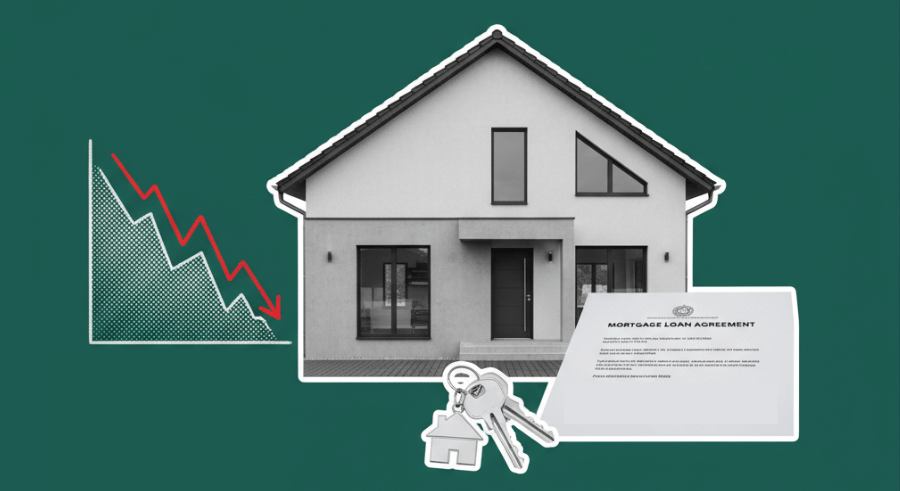
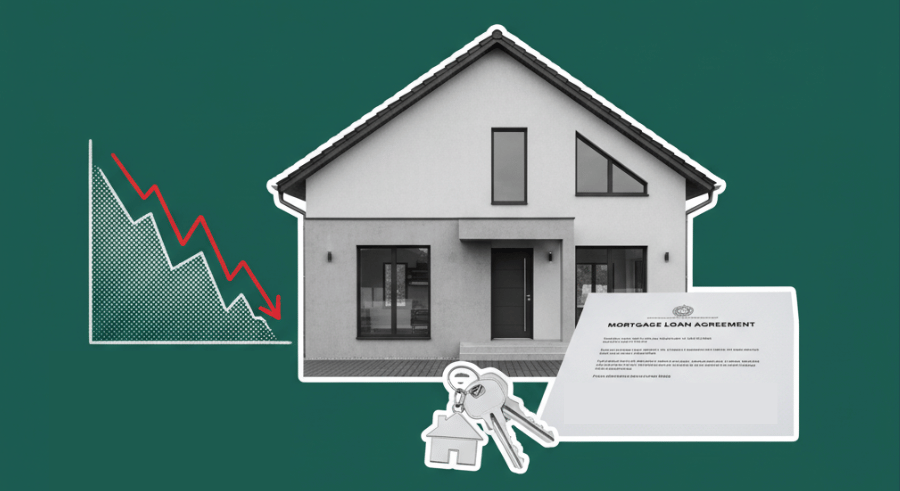
In the heart of California, a state renowned for its innovation and economic prowess, a housing crisis looms large. The demand for housing far exceeds the supply, leading to skyrocketing costs and a severe affordability gap. According to the National Low Income Housing Coalition’s annual report, there are only 24 affordable housing units available for every 100 extremely low-income households in California.
This crisis is exacerbated by the fact that California ranks among the highest states with cost-burdened renters, with nearly 30% of renters paying more than half of their income on housing, as noted by the PPIC blog. Families are forced to make tough choices between essential needs and housing costs, often leading to displacement or homelessness.
Can California Solve Its Affordable Housing Crisis?
Despite these daunting challenges, there is hope. The Chan Zuckerberg Initiative (CZI) believes that California can indeed solve its affordable housing crisis. Through innovative solutions and collaborative efforts, progress is being made. One such initiative, Project Roomkey, launched in response to the COVID-19 pandemic, successfully moved approximately 62,000 unhoused individuals into hotel rooms, demonstrating the power of flexible funding and innovative approaches.
Building on this success, California has continued the program under the name Homekey, allocating $300 million to extend its reach. Furthermore, the passage of Proposition 1 has secured $6.4 billion in bond money to support mental health and permanent supportive housing for veterans and those experiencing homelessness.
Innovative Solutions to Housing
One promising avenue is exploring new methods of construction. With construction costs in California having increased by 36.5% from January 2021 to January 2024, as reported by the California Construction Cost Index, modular and industrialized construction methods offer a potential solution. These technologies promise lower costs and faster build times, crucial for addressing the housing shortage.
Additionally, alternative forms of homeownership such as community land trusts and housing cooperatives are being explored to address systemic barriers and create permanently affordable housing. These models offer shared wealth-building opportunities and have shown promise in reimagining ownership in the U.S.
Cross-Sector Collaboration and Legislative Support
Solving the housing crisis requires a comprehensive approach involving multiple sectors. The Partnership for the Bay’s Future exemplifies this by using innovative financing and bringing together diverse voices to tackle housing affordability. Celebrating five years of impact, this partnership has protected over 73,000 tenants and financed thousands of homes.
Learning from successful COVID-19 housing solutions, such as statewide eviction moratoriums and rental relief programs, has also been pivotal. These measures have prevented evictions and supported hundreds of thousands of households during the pandemic.
Transforming Underutilized Lands
Another innovative strategy involves transforming surplus and underutilized lands into affordable homes. Legislation has been passed to prioritize building on government-owned land, unlocking vast potential for new housing developments. Faith communities, with acres of unused land, are also being encouraged to participate in these efforts.
Preserving Existing Affordable Housing
Preservation of existing affordable housing is equally crucial. Initiatives like the Los Angeles Local Rental Owners Collaborative aim to support local landlords and prevent tenant displacement, keeping communities intact and housing affordable.
While there is no single solution to California’s housing crisis, the combination of innovative construction, alternative ownership models, cross-sector collaboration, legislative support, and preservation efforts offers a multifaceted approach to rebuilding the housing system. As the Chan Zuckerberg Initiative emphasizes, the solutions are there; it’s about staying committed to seeing them through.
“`
More Articles
Getting licensed or staying ahead in your career can be a journey—but it doesn’t have to be overwhelming. Grab your favorite coffee or tea, take a moment to relax, and browse through our articles. Whether you’re just starting out or renewing your expertise, we’ve got tips, insights, and advice to keep you moving forward. Here’s to your success—one sip and one step at a time!
Tokenization has surged from crypto niche to global financial disruptor as institutions like Robinhood, BlackRock, and Coinbase race to digitize real-world assets. With pro‑crypto political momentum, shifting regulations, and private companies resisting newfound transparency, this emerging wave is transforming how investments are bought, sold, and accessed. For professionals in real estate, finance, lending, and insurance, this shift signals massive opportunity—and equally massive responsibility—as the next era of asset ownership takes shape.
Florida homeowners are finally getting relief as Citizens Property Insurance announces an average 8.7% statewide rate reduction for 2026, with South Florida seeing cuts as high as 14%. Driven by recent tort reforms and a stabilizing market, these decreases signal a major turnaround for an industry once on the brink of collapse — and a potential boost for real estate activity across the state.
After years of roller‑coaster chaos, the 2026 U.S. housing market is easing into something professionals haven’t seen in a long time: balance. Inventory growth has slowed to just 10% year over year—down sharply from 2025’s surge—signaling the end of the pandemic‑era scarcity and the rise of a market driven by real‑time demand and interest rates. With seasonal patterns returning, negotiations replacing bidding wars and rates drifting toward 6%, agents, lenders and investors are finally navigating conditions that look… normal.
More than half of Gen Z investors say they entered the stock market because of social media—not textbooks, not advisors. Viral creators, AI tools, and crypto trends are reshaping how young adults learn about money, invest early, and chase financial freedom. This Fortune‑featured shift highlights a generation determined to build wealth fast, trust digital voices over traditional institutions, and redefine financial education for the future.
After years of extremes, the U.S. housing market is shifting into a more balanced, predictable phase. Inventory growth has cooled from last year’s surge, seasonality is returning, and pricing is becoming increasingly rate‑sensitive. With mortgage rates hovering near 6% and policy changes reshaping investor participation, 2026 is emerging as a negotiation‑driven market where skilled agents, lenders, builders, and investors have a renewed advantage. This new landscape rewards strategy, education, and real‑time demand awareness—making it an ideal moment for professionals to refine their approach and capitalize on the market’s normalization.
A sudden policy shift at the start of 2026 is already pushing mortgage rates lower, dipping them under 6% for the first time in months. New projections suggest the government-sponsored enterprises’ $200 billion in mortgage‑backed securities purchases could accelerate rate declines throughout the year, boosting affordability, home sales, and overall market activity for buyers, sellers, and real estate professionals alike.