Inside Berkshire County’s Surging 2025 Real Estate Market: A Q3 Deep Dive

Berkshire county q3 market report

The Berkshire County real estate market closed the third quarter of 2025 with impressive momentum, showing strong buyer demand, tighter competition, and clear signs that housing inventory—while improving—remains far from meeting regional needs. According to The Berkshire Edge, both total sales and dollar volume climbed year‑over‑year, reaffirming Berkshire County as one of New England’s most resilient property markets.

Market Highlights at a Glance

  • Total Sales: 1,218 properties sold (up 3% from 2024)
  • Total Dollar Volume: $549 million (up 10%)
  • Average Sale Price: $450,814
  • Pending Sales: Slightly down year‑over‑year
  • Inventory: Modestly increased, with a 5‑month absorption rate
  • Average Days on Market: Down to 95 days
  • Hottest Price Range: $300k–$500k homes
Tap to Expand: Residential Market Overview

Single‑family homes remain the engine of the Berkshire market, with 861 properties sold—a 10% jump over 2024. North Berkshire led with a 16% increase in sales and a remarkable 39% surge in dollar volume. Middle Berkshire posted steady gains, while Southern Berkshire recorded healthy growth in both sales and volume despite mixed performance across a few pockets.

Tap to Expand: Condominium Market Insights

Condominium sales surged 16% year‑to‑date, with every region contributing to the increase. Inventory remains tight, but heightened interest—especially from second‑home and lifestyle buyers—continues to propel this sector upward.

Tap to Expand: Multifamily Market Trends

The multifamily sector delivered a mixed picture: northern and central regions dipped in total transactions, but Southern Berkshire gained traction. Limited supply continues to challenge buyers seeking investment-class properties.

Tap to Expand: Land Market Conditions

Land sales hit their lowest point since 2019. High construction costs and regulatory hurdles remain the biggest obstacles. Many industry advocates stress the urgency of smart-growth incentives to address the region’s persistent housing shortages.

Tap to Expand: Commercial Market Snapshot

Commercial sales slowed through Q3, though incomplete reporting may blur the full picture. According to Moody’s Analytics, signs of stabilization in the national office sector may signal a potential turning point.

What’s Next for Berkshire County?

With strong residential demand and only modest improvements in inventory, Berkshire County remains a seller‑leaning market heading into the winter months. Prices continue trending upward, though affordability and limited supply may shape a more moderate pace in early 2026. Meanwhile, land and commercial sectors will be crucial indicators as policymakers push for expanded housing opportunities and streamlined development approvals.

For real estate professionals across the nation, Berkshire County’s performance is a powerful reminder that staying educated and adaptable is crucial. Whether you’re an agent, broker, or aspiring licensee, platforms like Cameron Academy help professionals stay competitive with flexible, state‑approved licensing and continuing‑education programs in real estate, insurance, mortgage, finance, and more.

To explore the original source report, visit The Berkshire Edge:
Real Estate Market Watch: Q3 2025 Update


More Articles

Getting licensed or staying ahead in your career can be a journey—but it doesn’t have to be overwhelming. Grab your favorite coffee or tea, take a moment to relax, and browse through our articles. Whether you’re just starting out or renewing your expertise, we’ve got tips, insights, and advice to keep you moving forward. Here’s to your success—one sip and one step at a time!

The Tokenization Tsunami: Why Digital Assets Are Reshaping Wall Street, Washington, and Your Professional Future

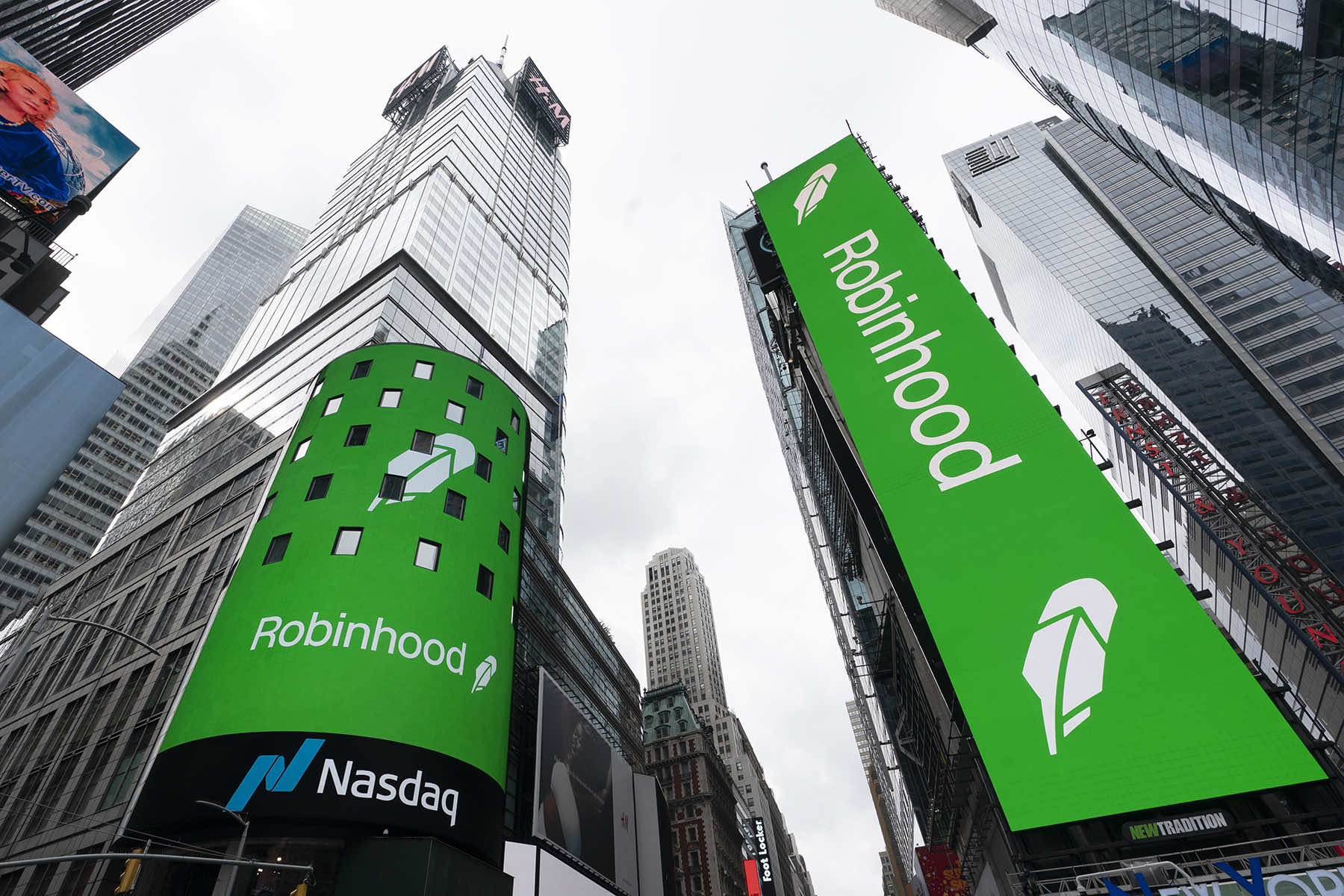
Tokenization has surged from crypto niche to global financial disruptor as institutions like Robinhood, BlackRock, and Coinbase race to digitize real-world assets. With pro‑crypto political momentum, shifting regulations, and private companies resisting newfound transparency, this emerging wave is transforming how investments are bought, sold, and accessed. For professionals in real estate, finance, lending, and insurance, this shift signals massive opportunity—and equally massive responsibility—as the next era of asset ownership takes shape.

Florida’s 2026 Insurance Shake‑Up: Citizens Approves Major Statewide Rate Cuts

Florida homeowners are finally getting relief as Citizens Property Insurance announces an average 8.7% statewide rate reduction for 2026, with South Florida seeing cuts as high as 14%. Driven by recent tort reforms and a stabilizing market, these decreases signal a major turnaround for an industry once on the brink of collapse — and a potential boost for real estate activity across the state.

The 2026 Housing Market Finally Returns to “Normal” as Inventory Stabilizes and Demand Takes the Lead

After years of roller‑coaster chaos, the 2026 U.S. housing market is easing into something professionals haven’t seen in a long time: balance. Inventory growth has slowed to just 10% year over year—down sharply from 2025’s surge—signaling the end of the pandemic‑era scarcity and the rise of a market driven by real‑time demand and interest rates. With seasonal patterns returning, negotiations replacing bidding wars and rates drifting toward 6%, agents, lenders and investors are finally navigating conditions that look… normal.

Gen Z Is Skipping Wall Street Advice and Turning to #RichTok for Financial Independence

More than half of Gen Z investors say they entered the stock market because of social media—not textbooks, not advisors. Viral creators, AI tools, and crypto trends are reshaping how young adults learn about money, invest early, and chase financial freedom. This Fortune‑featured shift highlights a generation determined to build wealth fast, trust digital voices over traditional institutions, and redefine financial education for the future.

The U.S. Housing Market Is Finally Normalizing in 2026 — What Today’s Professionals Need to Know

After years of extremes, the U.S. housing market is shifting into a more balanced, predictable phase. Inventory growth has cooled from last year’s surge, seasonality is returning, and pricing is becoming increasingly rate‑sensitive. With mortgage rates hovering near 6% and policy changes reshaping investor participation, 2026 is emerging as a negotiation‑driven market where skilled agents, lenders, builders, and investors have a renewed advantage. This new landscape rewards strategy, education, and real‑time demand awareness—making it an ideal moment for professionals to refine their approach and capitalize on the market’s normalization.

Mortgage Rates Could Drop Faster Than Expected in 2026, Thanks to New MBS Policy

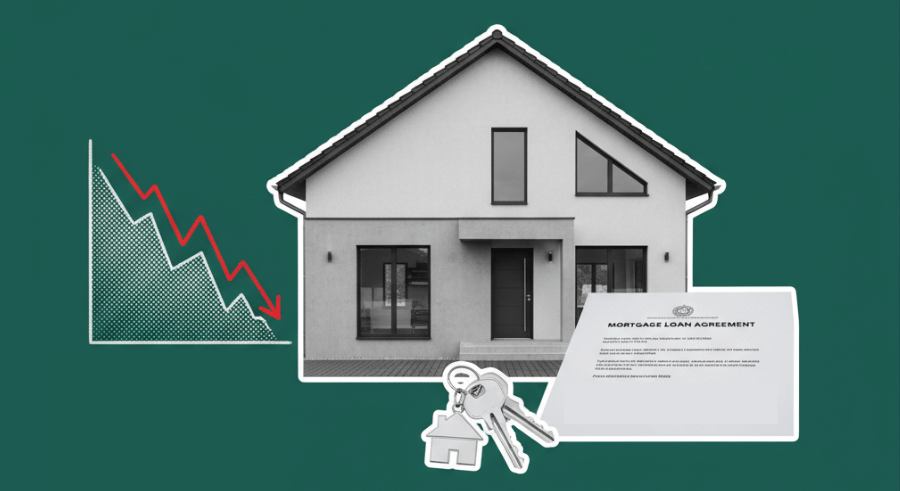
A sudden policy shift at the start of 2026 is already pushing mortgage rates lower, dipping them under 6% for the first time in months. New projections suggest the government-sponsored enterprises’ $200 billion in mortgage‑backed securities purchases could accelerate rate declines throughout the year, boosting affordability, home sales, and overall market activity for buyers, sellers, and real estate professionals alike.