Inside the $172 Million Push: Insurance Lobbying Takes Center Stage in 2025
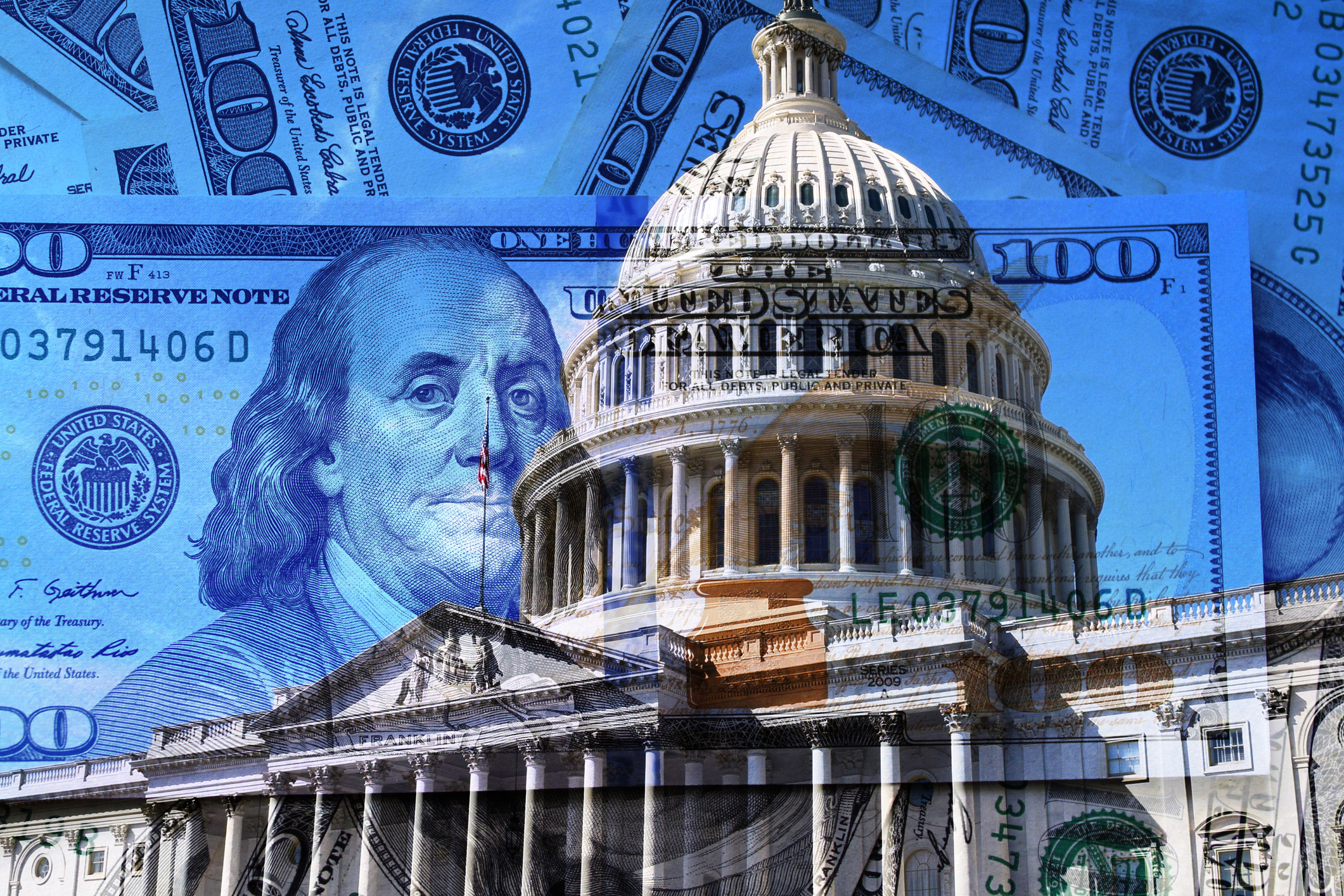
The insurance industry made a powerful statement in 2025, pouring a staggering $172 million into federal lobbying efforts. According to Open Secrets, this surge pushed insurance into the spotlight as the fourth-highest lobbying sector in the United States. From property and casualty to medical insurers, the influence stretches throughout almost every corner of the profession.
Medical Insurance Leads, But Property & Casualty Makes Noise
Medical insurers led the charge, with Blue Cross/Blue Shield alone dedicating more than $20 million to lobbying. Yet the property and casualty sector made its presence unmistakably strong, with eight major organizations landing in the top 25 spenders.
The American Property and Casualty Insurance Association ranked sixth with $5.8 million in expenditures. Nationwide followed at number eight with $3.6 million, while Liberty Mutual and Allstate tied at $3 million each.
Other Major Players in the Lobbying Arena
Travelers Companies – $3 million
Chubb INA – $2.8 million
State Farm – $2.7 million
USAA – $2 million
These figures reflect federal-level lobbying only, drawn from the Senate Office of Public Records. This leaves out the substantial spending that occurs at the state level—where insurance regulation truly takes shape.
State hearings often see significant insurer participation, while smaller businesses and repair groups struggle to match their presence. This imbalance can shape policies that affect consumers, professionals, and markets nationwide.
State-Level Influence: A Different Battlefield
During a 2024 Collision Industry Conference panel, industry voices highlighted a long-standing issue. As Darrell Amberson of Lamettry’s Operations stated, “Insurers have armies of attorneys and representatives that the average repair group cannot compete with.”
California’s regulatory workshops echo the same pattern: more than 5,000 repair facilities exist across the state, yet only a small handful attend hearings—while insurers reliably fill the seats.
Further fueling the debate, an Oklahoma Watch investigation delved into how insurers shape state legislation, raising essential questions about influence, transparency, and accountability.
Why This Matters to Licensed Professionals
For professionals in insurance, real estate, finance, and related fields, understanding lobbying dynamics isn’t just interesting—it’s critical. These regulations directly shape customer costs, industry expectations, and market competitiveness.
For students and licensed professionals expanding their expertise through Cameron Academy, insights like these provide valuable context for navigating evolving regulatory landscapes that affect careers across multiple industries.
To explore the full reports and datasets, visit the original article on Repairer Driven News and the comprehensive data library at Open Secrets.
Photo courtesy of Douglas Rissing / iStock
More Articles
Getting licensed or staying ahead in your career can be a journey—but it doesn’t have to be overwhelming. Grab your favorite coffee or tea, take a moment to relax, and browse through our articles. Whether you’re just starting out or renewing your expertise, we’ve got tips, insights, and advice to keep you moving forward. Here’s to your success—one sip and one step at a time!
New data from the U.S. Bureau of Labor Statistics reveals major pay gaps across industries as we head into 2025. While top roles in finance, tech, and healthcare exceed $130,000 to $160,000 a year, other professions lag far behind—even when education levels are similar. Job titles, location, experience, and specialized skills are now some of the biggest factors shaping how much you earn. If you’ve been wondering whether your paycheck is keeping up with the market, this breakdown shows exactly where you stand and what it takes to boost your earning power.
A cooling housing market is giving buyers something they haven’t had in years: room to breathe. With slower sales, more inventory, and less pressure to make snap decisions, homebuyer regret has noticeably declined in 2025. Buyers are feeling more confident thanks to fewer bidding wars, reduced overpaying, and stronger financial preparation—though maintenance surprises still pose challenges. This shift toward a true buyer’s market offers real estate professionals a prime opportunity to guide clients with clarity and confidence.
This week’s commercial real estate roundup unpacks the lingering economic fallout from the 43‑day federal shutdown, new pressures on major office markets, and the rise of STEM‑driven cities reshaping demand nationwide. With fresh Q3 data from Altus showing stronger‑than‑expected transaction momentum, plus updates on Chicago’s valuation slide and national mortgage policy debates, this edition delivers the essential trends CRE, mortgage, finance, and appraisal professionals need to stay ahead.
ATTOM has been named Inman’s 2025 Best of Proptech winner, earning top recognition for its leadership in data and intelligence platforms. With advancements like Snowflake integration, ATTOM Nexus, and enhanced parcel‑centric analytics, the company is shaping the future of AI‑driven real estate decision‑making. This win highlights ATTOM’s growing role as a trusted data backbone for real estate, mortgage, insurance, and investment professionals nationwide.
A new report reveals that Florida’s property insurance market is far from recovering. Despite political claims of stabilization, homeowners are seeing premiums up 54% since 2019, widespread insurer instability, and some companies re‑entering the market under rebranded identities. With high rates of unpaid claims, delayed payouts, and policy non‑renewals, lawmakers are now pushing for transparency and oversight. For homeowners and industry professionals alike, understanding these risks is critical as Florida’s insurance challenges continue to deepen.
Despite new insurers entering the state and lawmakers touting market improvements, a new report reveals Florida’s property insurance system is still plagued by high premiums, weak oversight, and companies with troubled histories. Rates have climbed 54% since 2019, nearly one‑fifth of homeowners are now uninsured, and Florida leads the nation in unpaid and delayed claims. Critics warn that the state’s strategy of shifting risk to undercapitalized private companies may set the stage for another crisis — leaving homeowners, buyers, and real estate professionals navigating a market that’s far from stable.