Inside the $172 Million Push: Insurance Lobbying Takes Center Stage in 2025
The insurance industry made a powerful statement in 2025, pouring a staggering $172 million into federal lobbying efforts. According to Open Secrets, this surge pushed insurance into the spotlight as the fourth-highest lobbying sector in the United States. From property and casualty to medical insurers, the influence stretches throughout almost every corner of the profession.
Medical Insurance Leads, But Property & Casualty Makes Noise
Medical insurers led the charge, with Blue Cross/Blue Shield alone dedicating more than $20 million to lobbying. Yet the property and casualty sector made its presence unmistakably strong, with eight major organizations landing in the top 25 spenders.
The American Property and Casualty Insurance Association ranked sixth with $5.8 million in expenditures. Nationwide followed at number eight with $3.6 million, while Liberty Mutual and Allstate tied at $3 million each.
Other Major Players in the Lobbying Arena
Travelers Companies – $3 million
Chubb INA – $2.8 million
State Farm – $2.7 million
USAA – $2 million
These figures reflect federal-level lobbying only, drawn from the Senate Office of Public Records. This leaves out the substantial spending that occurs at the state level—where insurance regulation truly takes shape.
State hearings often see significant insurer participation, while smaller businesses and repair groups struggle to match their presence. This imbalance can shape policies that affect consumers, professionals, and markets nationwide.
State-Level Influence: A Different Battlefield
During a 2024 Collision Industry Conference panel, industry voices highlighted a long-standing issue. As Darrell Amberson of Lamettry’s Operations stated, “Insurers have armies of attorneys and representatives that the average repair group cannot compete with.”
California’s regulatory workshops echo the same pattern: more than 5,000 repair facilities exist across the state, yet only a small handful attend hearings—while insurers reliably fill the seats.
Further fueling the debate, an Oklahoma Watch investigation delved into how insurers shape state legislation, raising essential questions about influence, transparency, and accountability.
Why This Matters to Licensed Professionals
For professionals in insurance, real estate, finance, and related fields, understanding lobbying dynamics isn’t just interesting—it’s critical. These regulations directly shape customer costs, industry expectations, and market competitiveness.
For students and licensed professionals expanding their expertise through Cameron Academy, insights like these provide valuable context for navigating evolving regulatory landscapes that affect careers across multiple industries.
To explore the full reports and datasets, visit the original article on Repairer Driven News and the comprehensive data library at Open Secrets.
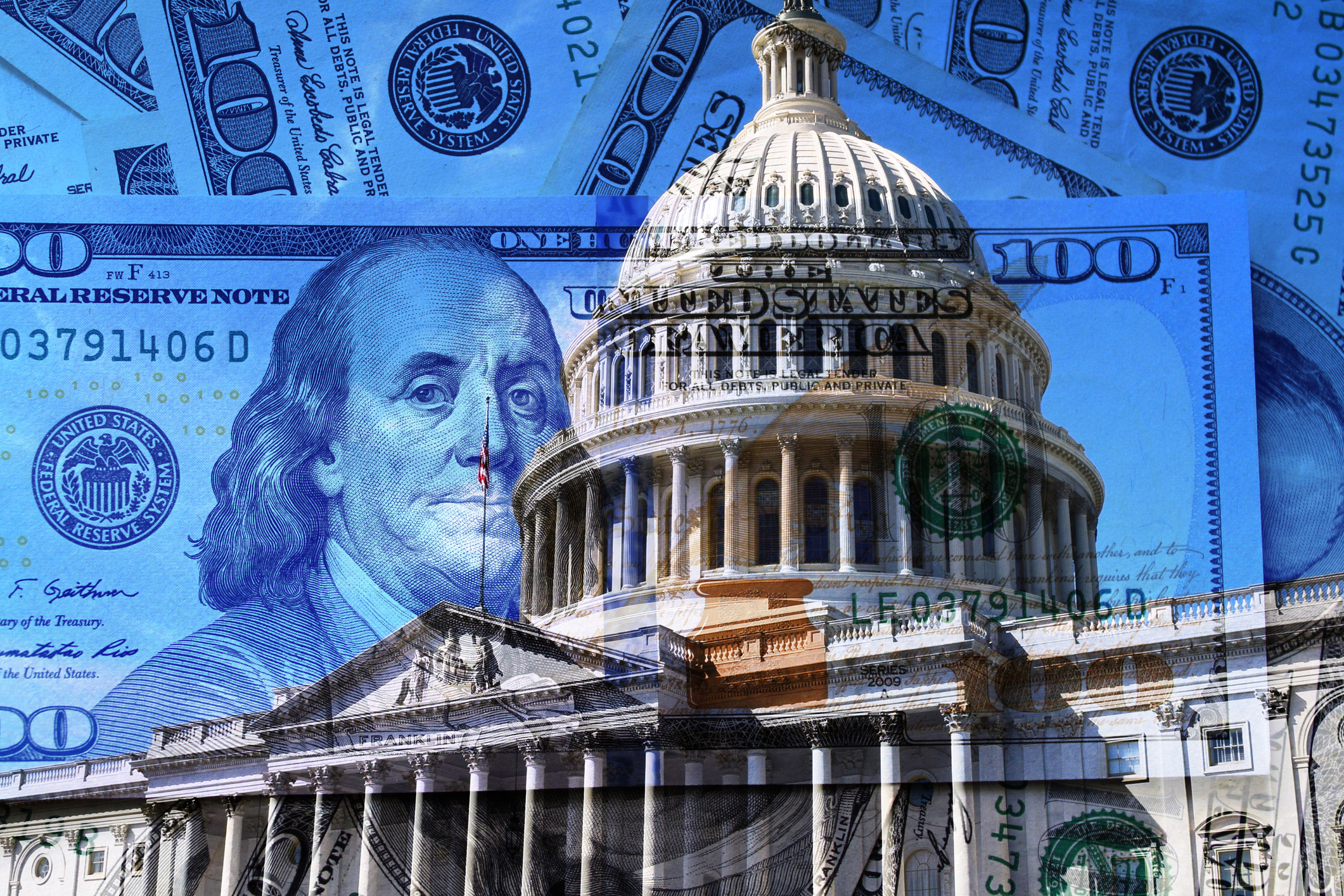
Photo courtesy of Douglas Rissing / iStock
More Articles
Getting licensed or staying ahead in your career can be a journey—but it doesn’t have to be overwhelming. Grab your favorite coffee or tea, take a moment to relax, and browse through our articles. Whether you’re just starting out or renewing your expertise, we’ve got tips, insights, and advice to keep you moving forward. Here’s to your success—one sip and one step at a time!
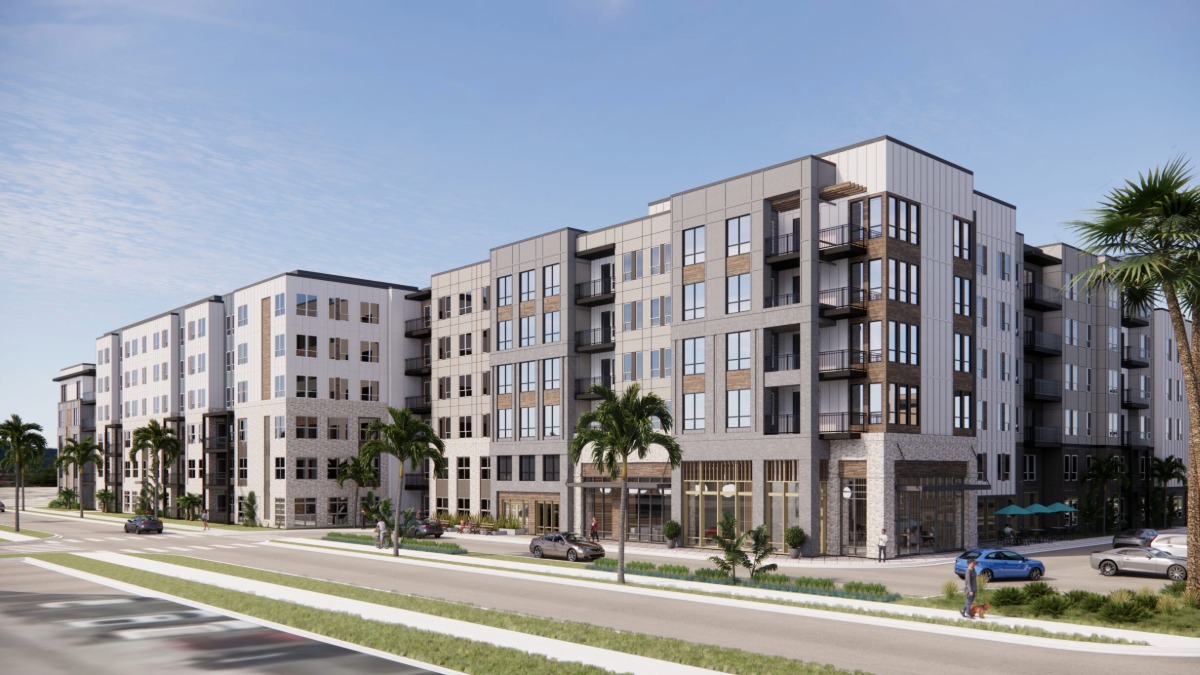
Landmark Properties has officially begun construction on The Mark Tampa, a six‑story luxury student community featuring over 800 beds, rooftop amenities, study spaces, retail, and modern unit layouts. Set to open before the 2027–2028 school year, the project signals strong investor confidence in North Tampa’s booming student housing market.
Florida’s property and auto insurance crisis is intensifying, setting the stage for a major political showdown ahead of the 2026 elections. Republicans argue recent reforms are finally stabilizing the market, while Democrats insist families are being crushed by soaring premiums and can’t wait for relief. With homeowners, condo associations, and insurers all feeling the pressure, lawmakers are preparing for one of the most consequential legislative battles in years.
Markets are betting heavily on a Federal Reserve rate cut in December, but that doesn’t guarantee lower mortgage rates. Even with an 85% chance of a cut priced in, mortgage rates move more with the 10‑year Treasury than the Fed itself — and recent history shows rates can rise even when the Fed eases. Today’s 6.43% average rate is the lowest in over a year, but still unpredictable, making financial readiness more important than trying to time the market.
Grand Junction is experiencing a powerful commercial real estate upswing, with 151 commercial units closed so far in 2025—a 36% jump from last year. Building permits are also up 23%, signaling expanding development momentum. Brokers say interest from national chains is accelerating the city’s evolution, bringing jobs, investment, and long‑term economic potential to Colorado’s Western Slope.
Nashville continues its rise as one of the nation’s most attractive real estate markets, landing the #6 spot in the Emerging Trends in Real Estate 2026 report from PwC and ULI. With strong demographic momentum, business expansion, and a development pipeline drawing national eyes, the city stands out amid shifting economic conditions. The report highlights fast‑growing sectors such as data centers, senior housing, and evolving office dynamics—offering real estate professionals valuable insight into where opportunities are emerging next.
Canada’s commercial real estate sector continues to evolve rapidly, with new data revealing major transactions, shifting investment patterns, and emerging economic signals across the country. From resilient retail spending to cooling construction and regional standouts like Montreal and the Prairies, this week’s CRE pulse—powered by Altus Group’s research team—gives real estate, mortgage, and finance professionals a sharp snapshot of the market forces to watch as 2025 winds down.