Investors Gear Up for a Big 2026 as U.S. Commercial Real Estate Finds Its Footing
The commercial real estate world is stepping into 2026 with something it hasn’t felt in years: genuine momentum. According to the new CBRE 2026 North America Investor Intentions Survey, investor confidence is rising as pricing stabilizes, debt pressure eases, and capital begins flowing back into the market.
A remarkable 95% of surveyed investors say they plan to buy as much—or more—commercial real estate compared to last year. Even better, 55% plan to increase their capital allocations, a sharp improvement that signals renewed faith in long-term fundamentals.
Source Spotlight
This article draws from reporting originally published by the Boston Real Estate Times, one of the industry’s most respected voices for reliable market analysis and forward‑looking insights.
Dallas Dominates, Sun Belt Shines, New Markets Rise
Dallas once again claims the crown as the top investment market for U.S. investors—its fifth consecutive year. Atlanta and San Francisco secure the next spots, while rapidly growing metros like Charlotte, Nashville, Tampa, and Seattle break into the top 10.
Sun Belt cities continue attracting capital, but major coastal gateways are beginning to look irresistible thanks to appealing price resets and strategic entry points rarely seen in the last decade.
Multifamily Remains the Favorite
No surprise here: multifamily leads at 74%, continuing its reign as the nation’s most dependable asset class. Industrial and logistics follow at 37%, supported by strong e‑commerce demand.
Retail is mounting a subtle but promising rebound at 27%, while office struggles at 16% as hybrid and flexible work reshape tenant demand.
Alternative assets—healthcare, cold storage, land, and self‑storage—earned interest from 11% of investors who are still prioritizing discounted opportunities in traditional sectors.
Value‑Add Strategies Lead the Pack
With stability returning, investors are pursuing value‑add and core‑plus strategies that balance moderate risk with strong performance potential. Meanwhile, distressed and opportunistic approaches have cooled as market sentiment shifts toward recovery instead of rescue.
Debt Takes a Back Seat as Equity Gains Appeal
Despite the optimism, leverage remains a sticking point. Over 70% plan to maintain current debt‑to‑equity ratios, and nearly half expect a year or more of negative leverage.
Interest rate uncertainty and refinancing challenges persist, but many see this period as a rare window for equity‑driven opportunity.
What This Means for Professionals and Future Investors
For professionals in the field—and those preparing to enter it—the 2026 landscape offers both opportunity and complexity. Understanding market cycles, capital flows, and investor psychology has become more important than ever.
Educational partners like Cameron Academy continue helping students and professionals build the knowledge needed to thrive in markets just like this—especially as real estate, mortgage, finance, and insurance sectors evolve across the U.S.
The Great Office Reinvention
Want to dive deeper into the changing office market? Check out Eventbrite’s powerful session, “The Great Office Reinvention,” exploring what truly works in 2026 and beyond.
As investors move from caution to calculated confidence, 2026 is shaping up to be a year of strategic growth, bold repositioning, and renewed optimism. For professionals across every sector, staying informed will be the key to staying ahead.
More Articles
Getting licensed or staying ahead in your career can be a journey—but it doesn’t have to be overwhelming. Grab your favorite coffee or tea, take a moment to relax, and browse through our articles. Whether you’re just starting out or renewing your expertise, we’ve got tips, insights, and advice to keep you moving forward. Here’s to your success—one sip and one step at a time!
Florida now holds the highest foreclosure rate in the country, and Tampa sits at the center of the surge. With one in every 1,373 homes facing foreclosure, skyrocketing insurance premiums, rising housing costs and reduced equity are pushing many homeowners—especially those who purchased between 2020 and 2023—into financial distress. While some experts view the spike as a market “normalization,” professionals in real estate and finance are watching closely as Tampa’s backlog clears and pressure continues to build across the state.
Two former 3M campuses in Northwest Austin are set for a dramatic rebirth as Karlin Real Estate pushes forward with plans for Highpoint 2222 and the Duval site. The vision includes office and lab space, up to 65,000 square feet of retail, more than 1,200 multifamily homes, and new green space. With over 500 residents weighing in through the 2222 Coalition of Neighborhood Associations, traffic, density, and environmental protections are shaping the final blueprint. As office demand cools, mixed‑use development is becoming the new normal—positioning this corridor for one of the biggest transformations Austin has seen in years.
Despite constant headlines about a “housing crisis,” many economists and industry professionals argue the reality is more nuanced. In many regions, the issue isn’t a lack of homes but a mismatch between what’s available and what buyers want or can afford. As demographic shifts and remote work reshape demand, the market is evolving—not collapsing—creating opportunities for real estate, mortgage, insurance, and finance professionals who understand the difference between perception and reality.
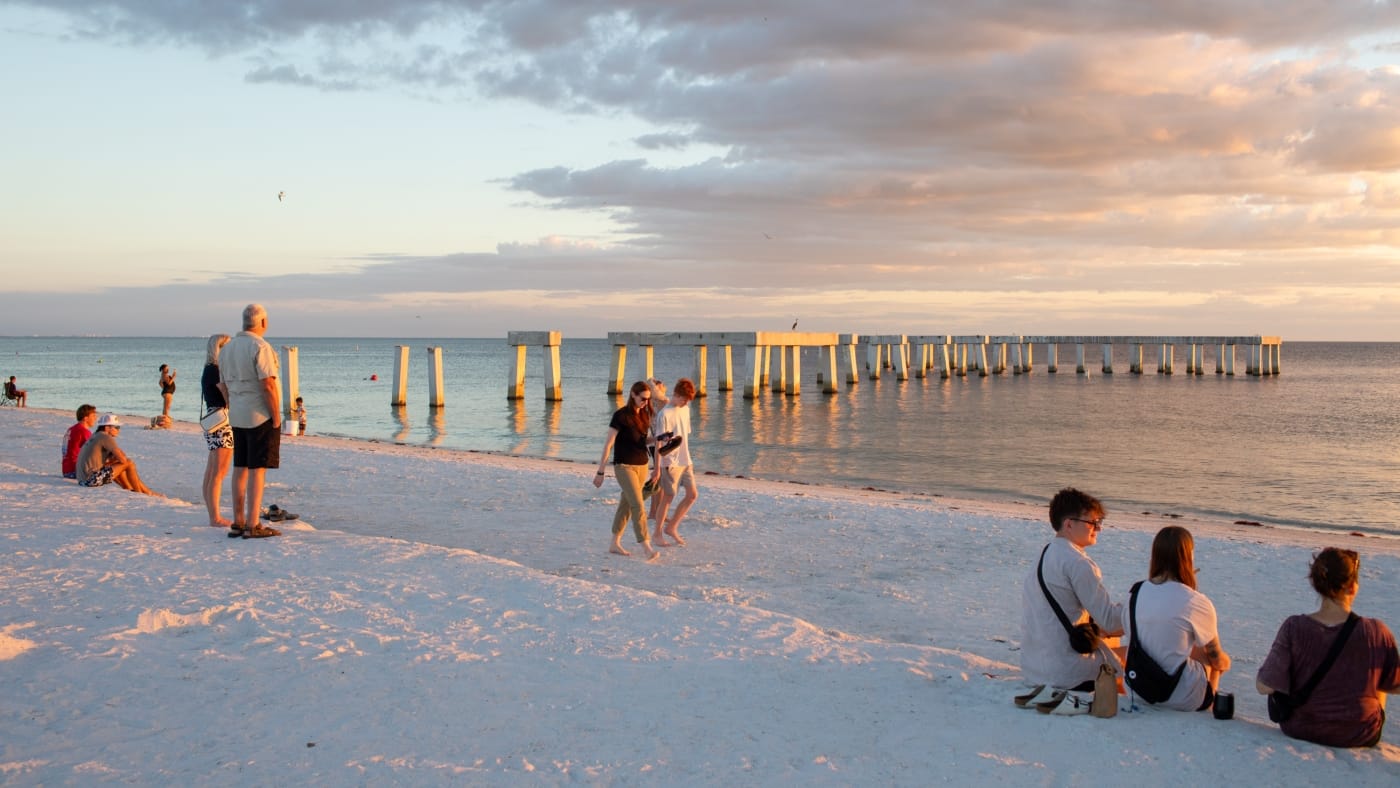
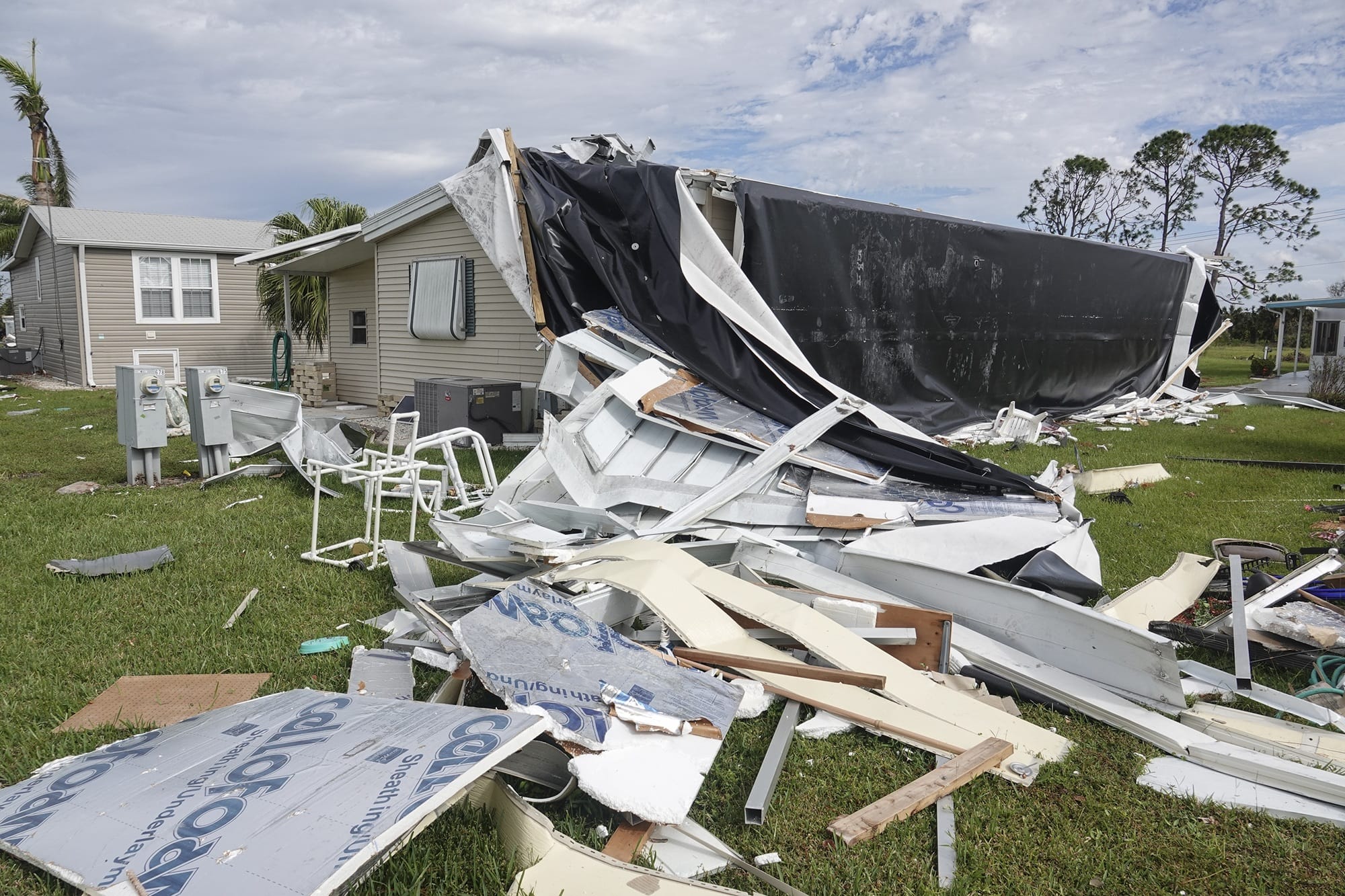
Hurricane Ian’s aftermath has exposed a growing affordability crisis across Southwest Florida. Skyrocketing insurance premiums, soaring construction costs, and rapid gentrification are making it harder for long‑time residents and middle‑class families to stay in their communities. From Fort Myers Beach to inland neighborhoods, homeowners, renters, and small businesses are feeling the pressure as rising costs reshape the region’s housing market and push many to reconsider their future in the state.
Florida’s home insurance market is facing its biggest credibility crisis in years. Despite major reforms meant to stabilize the system, homeowners are being pushed from Citizens into higher‑priced private insurers, many tied to companies that previously collapsed. Questionable financial ratings, high claim‑denial rates, and luxury‑level executive payouts are raising red flags across the state. For real estate and insurance professionals, this unstable landscape is reshaping home affordability, buyer confidence, and long‑term risk in Florida’s property market.
A new Michigan House bill aims to let licensed professionals complete all continuing education requirements online, offering greater flexibility for workers juggling rural travel, multiple jobs, or family demands. Supporters say the reform maintains high professional standards while removing unnecessary barriers, with regulators backing the shift and in‑person options remaining available.