Investors Gear Up for a Big 2026 as U.S. Commercial Real Estate Finds Its Footing
The commercial real estate world is stepping into 2026 with something it hasn’t felt in years: genuine momentum. According to the new CBRE 2026 North America Investor Intentions Survey, investor confidence is rising as pricing stabilizes, debt pressure eases, and capital begins flowing back into the market.
A remarkable 95% of surveyed investors say they plan to buy as much—or more—commercial real estate compared to last year. Even better, 55% plan to increase their capital allocations, a sharp improvement that signals renewed faith in long-term fundamentals.
Source Spotlight
This article draws from reporting originally published by the Boston Real Estate Times, one of the industry’s most respected voices for reliable market analysis and forward‑looking insights.
Dallas Dominates, Sun Belt Shines, New Markets Rise
Dallas once again claims the crown as the top investment market for U.S. investors—its fifth consecutive year. Atlanta and San Francisco secure the next spots, while rapidly growing metros like Charlotte, Nashville, Tampa, and Seattle break into the top 10.
Sun Belt cities continue attracting capital, but major coastal gateways are beginning to look irresistible thanks to appealing price resets and strategic entry points rarely seen in the last decade.
Multifamily Remains the Favorite
No surprise here: multifamily leads at 74%, continuing its reign as the nation’s most dependable asset class. Industrial and logistics follow at 37%, supported by strong e‑commerce demand.
Retail is mounting a subtle but promising rebound at 27%, while office struggles at 16% as hybrid and flexible work reshape tenant demand.
Alternative assets—healthcare, cold storage, land, and self‑storage—earned interest from 11% of investors who are still prioritizing discounted opportunities in traditional sectors.
Value‑Add Strategies Lead the Pack
With stability returning, investors are pursuing value‑add and core‑plus strategies that balance moderate risk with strong performance potential. Meanwhile, distressed and opportunistic approaches have cooled as market sentiment shifts toward recovery instead of rescue.
Debt Takes a Back Seat as Equity Gains Appeal
Despite the optimism, leverage remains a sticking point. Over 70% plan to maintain current debt‑to‑equity ratios, and nearly half expect a year or more of negative leverage.
Interest rate uncertainty and refinancing challenges persist, but many see this period as a rare window for equity‑driven opportunity.
What This Means for Professionals and Future Investors
For professionals in the field—and those preparing to enter it—the 2026 landscape offers both opportunity and complexity. Understanding market cycles, capital flows, and investor psychology has become more important than ever.
Educational partners like Cameron Academy continue helping students and professionals build the knowledge needed to thrive in markets just like this—especially as real estate, mortgage, finance, and insurance sectors evolve across the U.S.
The Great Office Reinvention
Want to dive deeper into the changing office market? Check out Eventbrite’s powerful session, “The Great Office Reinvention,” exploring what truly works in 2026 and beyond.
As investors move from caution to calculated confidence, 2026 is shaping up to be a year of strategic growth, bold repositioning, and renewed optimism. For professionals across every sector, staying informed will be the key to staying ahead.
More Articles
Getting licensed or staying ahead in your career can be a journey—but it doesn’t have to be overwhelming. Grab your favorite coffee or tea, take a moment to relax, and browse through our articles. Whether you’re just starting out or renewing your expertise, we’ve got tips, insights, and advice to keep you moving forward. Here’s to your success—one sip and one step at a time!
After nearly 20 years under uniquely harsh lending rules, Florida may finally see its condo market freed from a 25% down payment requirement imposed only on the state. Industry leaders say Fannie Mae could announce changes as early as December—potentially restoring the standard 10% down payment used everywhere else in the country. Experts believe the shift would boost maintenance funding, improve affordability, and stabilize Florida’s condo market after years of strain.
Phoenix’s commercial real estate market is shaking off years of uncertainty as broker optimism hits its highest level since interest rates began climbing. The latest ASU Commercial Broker Sentiment Index soared to 62.7, signaling strong confidence across multifamily, retail, office, and capital markets. With population growth accelerating, interest rates easing, and AI boosting industry efficiency, Phoenix is positioning itself for a powerful run into 2026—offering meaningful opportunities for both new and seasoned real estate professionals.
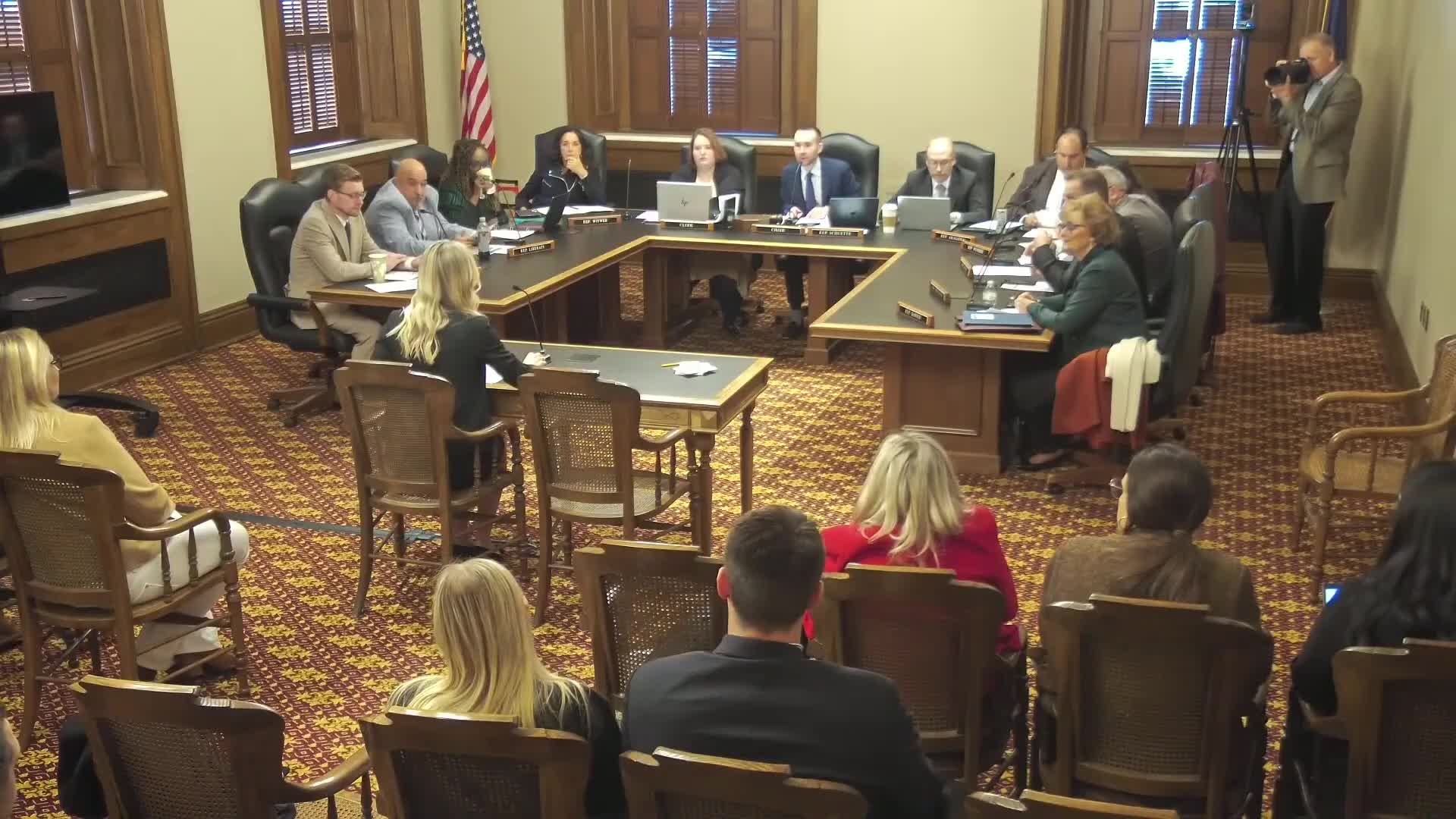
Michigan’s House Rules Committee heard testimony on a proposal that would let licensed professionals complete all required continuing education online. Supporters say the change would modernize outdated rules, reduce costs, and improve access for rural and busy workers. The state licensing department backs the measure, and lawmakers noted it could reshape CE options across industries from real estate to insurance and healthcare.
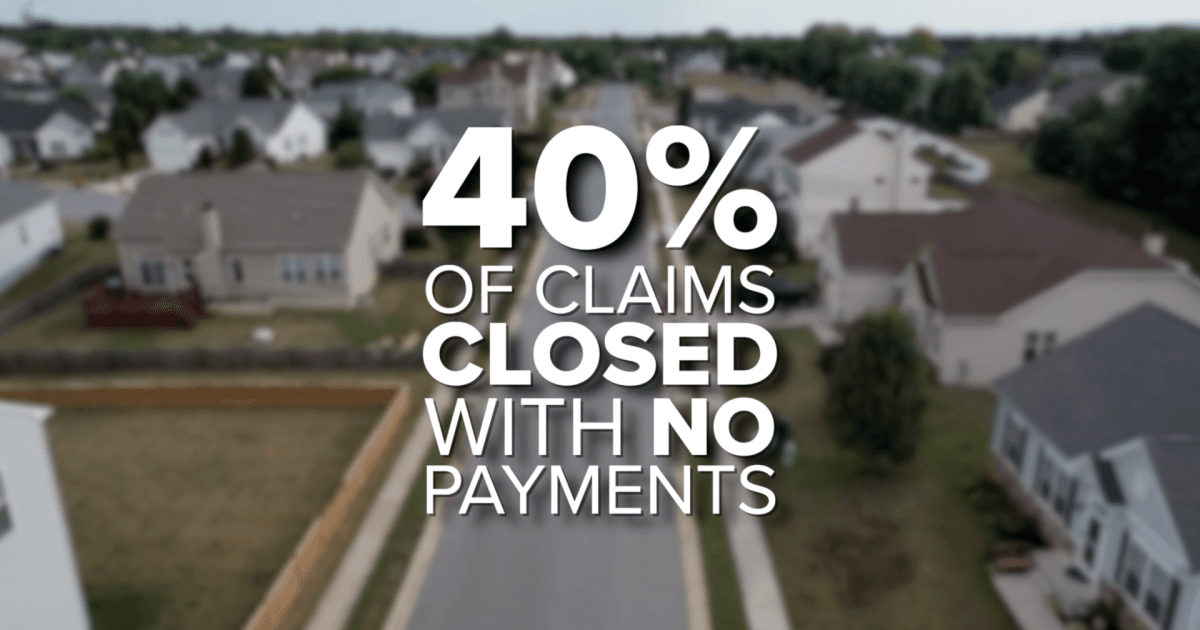
Florida homeowners are now paying an average of $5,838 per year for insurance — nearly $3,000 above the national average — making it one of the most expensive states in the country. As premiums continue to triple for some residents, many are being forced into tough decisions, from delaying home improvements to dropping coverage altogether. With more than 40% of claims closed with no payment and lawmakers pushing for aggressive reforms, the crisis is reshaping Florida’s housing market and placing growing pressure on real estate, mortgage, and insurance professionals statewide.
Griffin Funding has elevated John Jones to Senior Vice President of Growth and EOS Integrator, marking a major step in the company’s long-term expansion strategy. Already a key operational leader since April 2025, Jones will now drive performance optimization, market expansion, and leadership development as the lender pursues an ambitious goal of reaching $3 billion in annual non-QM loan volume by 2030. His promotion underscores Griffin Funding’s commitment to scaling strategically while strengthening its position in the fast-growing non-QM space.
Despite recent Federal Reserve rate cuts, commercial real estate remains frozen. Long‑term Treasury yields continue to climb, keeping borrowing costs high and preventing the relief investors expected. With nearly $1 trillion in commercial loans coming due, refinancing at today’s elevated rates is squeezing owners, slowing transactions, and creating a widening gap between buyers and sellers. For patient, well‑capitalized investors, this period of recalibration may offer some of the strongest opportunities in years.