Irondequoit Just Claimed the Title of America’s Most Competitive Housing Market

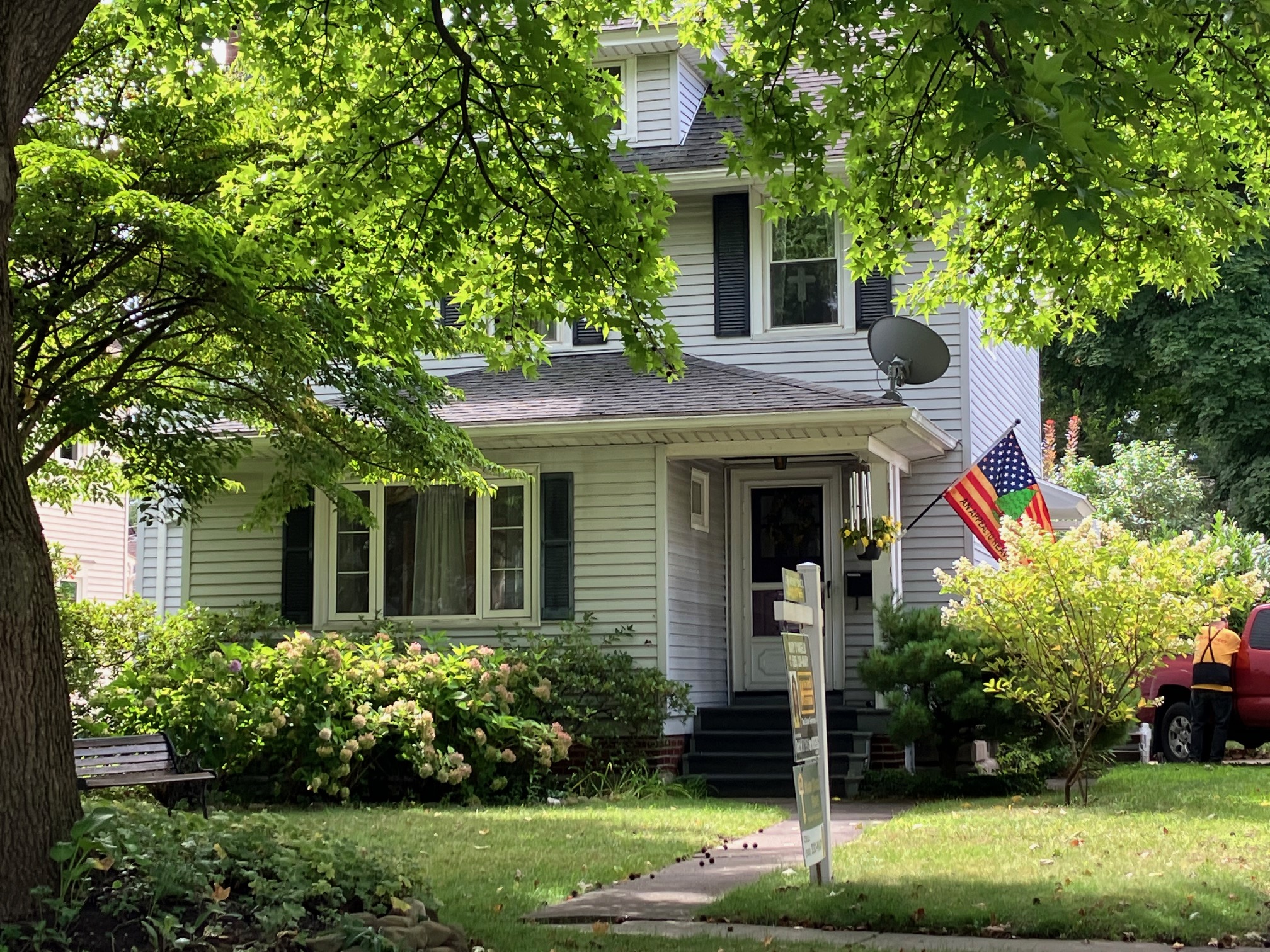
Suburban home in irondequoit

Homebuyers looking for an edge may want to study the playbook of one unexpected champion: Irondequoit, New York. According to a new report from Redfin, this Rochester-area suburb now ranks as the most competitive housing market in the entire United States.

Homes in this scenic lakeside town are flying off the market in an average of just 8.5 days and regularly selling above asking price. The median sale price currently sits at $249,132—an eye-catching number for buyers seeking affordability in a rapidly intensifying landscape.

A Surprising Lineup of Competitive Markets

Irondequoit’s closest competitors aren’t the cities most Americans would expect. Following behind are:

  • Sunnyvale, California
  • Santa Clara, California
  • Tonawanda, New York (Erie County)
  • Mountain View, California

This mix of tech-heavy metros and upstate New York communities reveals a dramatic shift in buyer behavior—one that highlights a changing national housing landscape.

How the Pandemic Changed the Market’s DNA

Redfin reports that U.S. housing trends have not returned to pre-pandemic norms. Competition is historically low in many regions, yet prices continue climbing. Affordability pressures have intensified for both first-time buyers and long-established residents.

“As the market continues to shift, buyers are searching for anything they can reasonably afford,” said Asad Khan, a senior economist at Redfin. “Many are choosing lower-cost cities in the Rust Belt and East Coast where their dollars stretch farther.”

He also noted that wealthy, tech-driven buyers are reigniting bidding wars in the Bay Area—proof that there is no single American housing market anymore, but a patchwork of competing realities.

Rising Pressures in Upstate New York

Advocacy groups across the region warn that increased investment and demand—while economically beneficial—are pricing out local residents. Cities like Rochester and Buffalo are experiencing faster-rising housing costs and sharper financial challenges, mirroring concerns seen across the country.

Looking Ahead: 2026 Housing Predictions

Redfin forecasts that Great Lakes cities such as Rochester and Buffalo will emerge as the hottest markets of 2026. At the same time, once high-flying regions in coastal Florida and Texas may begin cooling.

Competition is expected to ease slightly nationwide as mortgage rates settle into the low 6% range during the peak season. Combined with the strength of rising wages, some relief may finally reach sidelined buyers.

Still, affordability challenges won’t vanish overnight. “Competition and affordability are closely intertwined,” Khan explained. “As the supply of homes grows and buying power increases, we’ll inch closer to more normal sales numbers.”

What This Means for Real Estate Professionals

For agents, appraisers, mortgage brokers, and new licensees, markets like Irondequoit underscore the increasing value of staying informed, agile, and strategically educated. In fast-moving markets, the professionals who thrive are those who never stop learning.

If you’re entering the real estate field—or expanding your professional credentials—Florida-based Cameron Academy continues to offer accessible, career-shaping licensing education and advanced training across all 50 states. In a competitive housing landscape, competitive knowledge is your greatest advantage.

Source: Rochester Business Journal — https://rbj.net/2025/12/23/irondequoit-most-competitive-housing-market-redfin-report/

More Articles

Getting licensed or staying ahead in your career can be a journey—but it doesn’t have to be overwhelming. Grab your favorite coffee or tea, take a moment to relax, and browse through our articles. Whether you’re just starting out or renewing your expertise, we’ve got tips, insights, and advice to keep you moving forward. Here’s to your success—one sip and one step at a time!

Florida’s Property Insurance Crisis Reaches Breaking Point as Lawmakers Hit Pause

Florida now leads the nation in property insurance costs, with many homeowners paying more than $10,000 a year for shrinking coverage and higher deductibles. Despite nearly half of hurricane‑related claims ending with no payout and appeals failing over 90% of the time, state leaders say reforms “need more time to work.” With key relief bills stalled and real estate professionals feeling the shockwaves, experts warn that legislative inaction is deepening a crisis that threatens homeownership and the state’s economic stability.

A Time of Reckoning for Commercial Real Estate

Banks are finally calling in billions tied to troubled commercial real estate loans, pushing delinquency rates to historic highs and ending years of “extend and pretend.” With more than 12% of office loans now delinquent and $875 billion in commercial debt maturing in 2026, regional banks and property owners are facing mounting pressure. As valuations drop and refinancing becomes harder, experts warn that tighter lending standards and broader economic ripple effects are on the horizon—making strategic preparation essential for today’s real estate and finance professionals.

Florida Ends FIGA’s 1% Insurance Assessment Two Years Early

Florida policyholders are getting rare good news: the Florida Insurance Guaranty Association is ending its 1% emergency insurance assessment on October 1—two years ahead of schedule. The decision follows a calmer hurricane season, fewer insurer insolvencies, and growing market stability. The early termination is expected to save Floridians up to $650 million, with the average homeowner seeing about $31 in annual savings. This marks another milestone in the state’s insurance market recovery after major legislative reforms in 2022 and 2023.

The Moment Real Estate Realized AI Isn’t a Toy Anymore

The real estate industry has officially moved past its AI honeymoon phase. What began as a fun, optional tool has quietly become the backbone of how agents create content, communicate with clients, and market properties. But with that shift comes rising concern about authenticity, legal risks, and whether consumers will start questioning what they’re really paying agents for. As AI blends into everything from listing descriptions to client advice, professionals now face a new challenge: proving the human value behind the technology.

Commercial Real Estate Is Finally Turning Around: Why 2026 Could Be the Big Rebound Year

After years of volatility, industry analysts say commercial real estate may finally be on the verge of a major comeback. Investment activity is rising, leasing demand is strengthening, and key cities like Manhattan are leading a broader national recovery. With vacancy rates expected to drop and high‑quality buildings outperforming the rest, 2026 is shaping up to be the turning point investors and professionals have been waiting for.

Rising Costs and Slower Premium Growth Signal a Tougher 2026 for P/C Insurance

AM Best warns that the property and casualty insurance market is heading into a more challenging 2026 as premium growth slows, inflation drives up claims costs, and combined ratios rise. Despite a strong 2025, moderating rates, higher repair and construction expenses, and ongoing reserve deficiencies are pressuring profitability. While commercial lines and personal lines both feel the strain, the E&S market continues to expand as traditional carriers pull back. This shifting landscape highlights the need for insurance professionals to stay sharp, informed, and adaptable.