Irondequoit Just Claimed the Title of America’s Most Competitive Housing Market

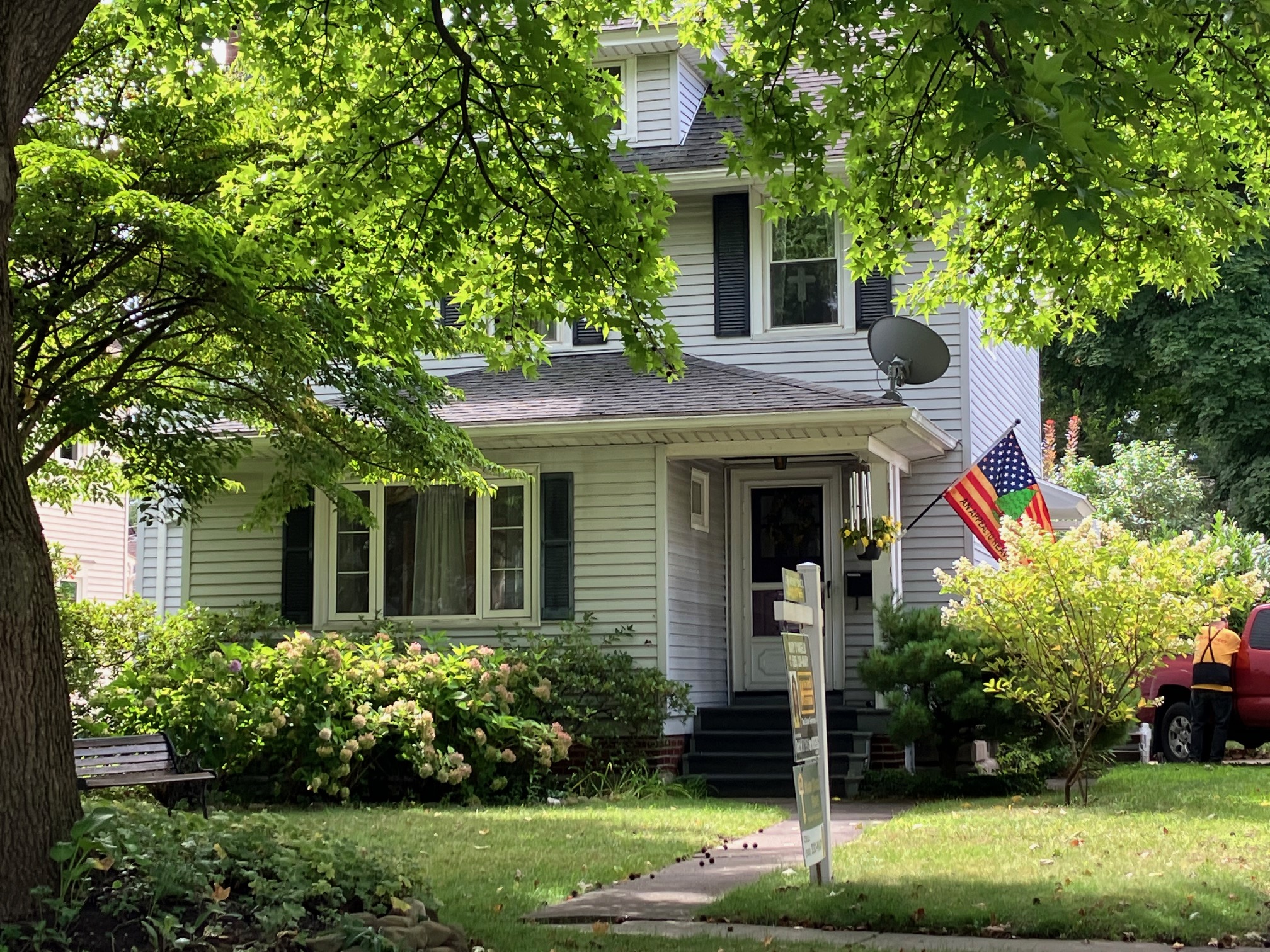
Suburban home in irondequoit

Homebuyers looking for an edge may want to study the playbook of one unexpected champion: Irondequoit, New York. According to a new report from Redfin, this Rochester-area suburb now ranks as the most competitive housing market in the entire United States.

Homes in this scenic lakeside town are flying off the market in an average of just 8.5 days and regularly selling above asking price. The median sale price currently sits at $249,132—an eye-catching number for buyers seeking affordability in a rapidly intensifying landscape.

A Surprising Lineup of Competitive Markets

Irondequoit’s closest competitors aren’t the cities most Americans would expect. Following behind are:

  • Sunnyvale, California
  • Santa Clara, California
  • Tonawanda, New York (Erie County)
  • Mountain View, California

This mix of tech-heavy metros and upstate New York communities reveals a dramatic shift in buyer behavior—one that highlights a changing national housing landscape.

How the Pandemic Changed the Market’s DNA

Redfin reports that U.S. housing trends have not returned to pre-pandemic norms. Competition is historically low in many regions, yet prices continue climbing. Affordability pressures have intensified for both first-time buyers and long-established residents.

“As the market continues to shift, buyers are searching for anything they can reasonably afford,” said Asad Khan, a senior economist at Redfin. “Many are choosing lower-cost cities in the Rust Belt and East Coast where their dollars stretch farther.”

He also noted that wealthy, tech-driven buyers are reigniting bidding wars in the Bay Area—proof that there is no single American housing market anymore, but a patchwork of competing realities.

Rising Pressures in Upstate New York

Advocacy groups across the region warn that increased investment and demand—while economically beneficial—are pricing out local residents. Cities like Rochester and Buffalo are experiencing faster-rising housing costs and sharper financial challenges, mirroring concerns seen across the country.

Looking Ahead: 2026 Housing Predictions

Redfin forecasts that Great Lakes cities such as Rochester and Buffalo will emerge as the hottest markets of 2026. At the same time, once high-flying regions in coastal Florida and Texas may begin cooling.

Competition is expected to ease slightly nationwide as mortgage rates settle into the low 6% range during the peak season. Combined with the strength of rising wages, some relief may finally reach sidelined buyers.

Still, affordability challenges won’t vanish overnight. “Competition and affordability are closely intertwined,” Khan explained. “As the supply of homes grows and buying power increases, we’ll inch closer to more normal sales numbers.”

What This Means for Real Estate Professionals

For agents, appraisers, mortgage brokers, and new licensees, markets like Irondequoit underscore the increasing value of staying informed, agile, and strategically educated. In fast-moving markets, the professionals who thrive are those who never stop learning.

If you’re entering the real estate field—or expanding your professional credentials—Florida-based Cameron Academy continues to offer accessible, career-shaping licensing education and advanced training across all 50 states. In a competitive housing landscape, competitive knowledge is your greatest advantage.

Source: Rochester Business Journal — https://rbj.net/2025/12/23/irondequoit-most-competitive-housing-market-redfin-report/

More Articles

Getting licensed or staying ahead in your career can be a journey—but it doesn’t have to be overwhelming. Grab your favorite coffee or tea, take a moment to relax, and browse through our articles. Whether you’re just starting out or renewing your expertise, we’ve got tips, insights, and advice to keep you moving forward. Here’s to your success—one sip and one step at a time!

A Time of Reckoning for Commercial Real Estate: What Professionals Need to Know in 2026

The commercial real estate industry is finally confronting years of delayed financial reality as banks begin calling in billions in troubled loans, pushing office loan delinquencies to record highs. With more than 12 percent of office loans now delinquent and nearly a trillion dollars in commercial and multifamily debt maturing this year, lenders are tightening standards and forcing borrowers to present real data, stronger strategies, and actionable plans. Regional banks face the most risk, while real estate professionals who master data literacy and investment analysis will be best positioned to thrive in this new era.

12 States Leading the Surge in CFP Growth for 2026

CFP professionals are in higher demand than ever, and new data from SmartAsset and the CFP Board shows that some states are becoming hotspots for this booming field. California leads the nation, now home to nearly one in every ten Certified Financial Planners. As Americans seek deeper financial guidance, states with strong economies and growing populations are seeing the fastest rise in licensed advisors—signaling major opportunity for both new and seasoned professionals.

Commercial Real Estate Poised for a Full Recovery in 2026 as Investment Activity Surges

After years of market disruption, commercial real estate is finally showing strong signs of a comeback, with major investment firms projecting 2026 as the year the sector fully stabilizes. New reports from Hines, CBRE, and Colliers point to rising leasing activity, renewed buyer appetite, and a rebound toward pre‑pandemic investment levels. Manhattan is leading the recovery, premium office spaces are dominating demand, and suburban markets are gaining traction—setting the stage for significant opportunities for real estate professionals, investors, and brokers preparing for the next market cycle.

The 2026 Job Market Freeze: Why Hiring Is Stuck and Where the Real Opportunities Are

The 2026 labor market is entering a “low‑hire, low‑fire” freeze—job openings remain above pre‑pandemic levels, yet companies are delaying hiring decisions as they navigate economic uncertainty, tariffs, and shifting immigration policies. Despite the slowdown, major pockets of growth remain, especially in healthcare, construction, civil engineering, and Sunbelt regions. AI is reshaping some industries but replacing very few jobs, with less than 1% of skills at high risk of automation. For professionals willing to adapt, upskill, or shift industries, 2026 offers strategic opportunities—particularly in licensed fields like real estate, mortgage, insurance, and finance, where education and credentials can unlock stability and upward mobility.

Mortgage Rates Hit Three‑Year Low at 6.09%, Opening a Rare Window for Buyers

Mortgage rates slipped to 6.09% this week, marking their lowest point in three years and surprising analysts after strong job numbers. The drop improves affordability for many families and signals a pivotal moment for buyers, investors, and real estate professionals as market conditions cool and stabilization continues into 2026.

AI Proptech Unicorns: How $1B+ Startups Are Transforming Commercial Real Estate in 2026

Artificial intelligence is now the driving force behind the fastest‑growing proptech companies, with AI-native startups claiming the majority of the $16.7 billion invested in real estate technology last year. From tenant communication automation to self‑navigating construction vehicles and AI-powered investor management systems, four new unicorns—EliseAI, Bedrock Robotics, Juniper Square, and Vantaca—are leading a sweeping shift across commercial real estate. Their rise signals a new era where professionals must embrace automation, data skills, and continuous education to stay competitive in an industry evolving at record speed.