Is 2026 the Moment Homebuyers Have Been Waiting For? Here’s What the Market Is Signaling
The U.S. housing market is gearing up for a pivotal year in 2026, and early indicators are giving prospective buyers, investors, and real estate professionals plenty to think about. With mortgage rates expected to dip slightly, new-home construction gaining momentum, and affordability shifting across regions, the upcoming market offers opportunity—if you know where to look.
This article is inspired by a detailed report from Investopedia. For full insights and deeper analysis, their original coverage is available on their website.
Key Takeaways for 2026
Mortgage rates may dip slightly—but will likely remain above pre‑2022 levels.
Affordability varies widely by region, with the Midwest and South offering more favorable conditions.
Adjustable‑rate mortgages (ARMs) and new‑construction homes are becoming increasingly attractive options.
Mortgage Rates: Some Relief, But Not a Major Drop
After spiking above 7% in early 2025, mortgage rates relaxed to roughly 6.2% by year’s end. While welcome, experts warn buyers not to expect dramatic decreases heading into 2026.
The Mortgage Bankers Association predicts rates will hover between 6% and 6.5%. Redfin anticipates a 6.3% average, and the National Association of Realtors expects rates to remain “around 6%.”
Despite multiple Federal Reserve reductions to short‑term rates since 2024, mortgage rates haven’t followed suit—because long‑term bonds, not the Fed’s cuts, ultimately shape mortgage pricing.
“It will be a modest decline that will improve affordability,” said Lawrence Yun, Chief Economist at the National Association of Realtors.
For real estate and mortgage‑industry learners at Cameron Academy, this trend reinforces the necessity of understanding long‑term rate behavior, Treasury yields, and the economic factors that influence home financing.
Affordability Depends on Location—Sometimes Dramatically
The U.S. housing market in 2026 is anything but uniform. High‑cost regions like coastal California and the Northeast remain challenging, while cities throughout the South and Midwest offer significantly more reasonable buying conditions.
Oxford Economics highlights cities such as Cleveland, Cincinnati, Detroit, St. Louis, New Orleans, Louisville, Memphis, Tucson, and Oklahoma City as standout markets where buyers can still find value.
Local taxes and insurance—often overlooked—play a critical role in shaping these affordability gaps.
ARMs Are Making a Comeback
With fixed rates staying elevated, more buyers are transitioning toward adjustable‑rate mortgages. ARMs offer lower introductory rates, providing immediate monthly savings. Roughly 10% of buyers chose ARMs in late 2025, well above the historical 6% average.
“In this environment where borrowers are struggling with lack of affordability, moving to an ARM can result in real savings,” noted MBA Deputy Chief Economist Joel Kan.
Of course, ARMs come with risks—especially if rates spike in later years. But for buyers planning shorter stays or anticipating rate drops, they remain a powerful tool.
New Construction May Be the Smarter Buy
Newly constructed homes continue to outperform existing‑home sales thanks to builder incentives and increasing availability. In a rare reversal of typical trends, the average new‑home price ($413,500) dipped below the average price of existing homes ($422,600).
Options like rate buydowns, closing‑cost credits, and customization features make new construction an appealing choice for many 2026 buyers.
“Buyers are seeing a lot of value in new homes and taking advantage of the unusually high glut of new homes for sale on the market,” shared Heather Long, Chief Economist at Navy Federal Credit Union.
What This Means for Future Real Estate Professionals
Whether you’re launching your real estate career or expanding into mortgage, insurance, or appraisal sectors, understanding the 2026 landscape is vital. Students at Cameron Academy learn that market cycles often create the best professional opportunities—and 2026 appears to be exactly that type of year.
As affordability evolves and buyer behavior shifts, knowledgeable professionals will be in high demand. If you’re looking for flexible, career‑focused licensing education, Cameron Academy continues to support new and seasoned professionals across the nation.
For deeper insights, be sure to explore the full original report directly from Investopedia.
More Articles
Getting licensed or staying ahead in your career can be a journey—but it doesn’t have to be overwhelming. Grab your favorite coffee or tea, take a moment to relax, and browse through our articles. Whether you’re just starting out or renewing your expertise, we’ve got tips, insights, and advice to keep you moving forward. Here’s to your success—one sip and one step at a time!
Florida’s property insurance system is once again spiraling as new “market-friendly” reforms fail to stabilize rising premiums, insurer failures, and mounting homeowner frustration. Despite aggressive efforts to shift policyholders from Citizens to private carriers, many of the new insurers stepping in are tied to past insolvencies, questionable ratings, and political influence. For real estate, mortgage, and insurance professionals, these systemic cracks are reshaping closings, valuations, and risk across the state—making it essential to stay ahead of ongoing regulatory and market shifts.
Commercial real estate is heading into a turning‑point year in 2026, driven by economic uncertainty, AI‑powered transformation, shifting demographics and rising portfolio risk. Insights from The Counselors of Real Estate highlight the top issues shaping the year ahead—from fiscal pressures and capital constraints to housing shortages, global volatility and the future of data‑driven decision‑making. For real estate, mortgage, insurance and finance professionals, these trends offer a clear roadmap for staying competitive and preparing for the next wave of industry change.
AI-powered tools, fraud protection systems, and smarter MLS integrations are sweeping through the real estate industry as major organizations adopt new technologies. From RealReports hitting its 50th partnership to BeachesMLS unveiling instant AI home visualizations and Doorify boosting security, professionals are seeing rapid advancements that promise sharper insights, safer transactions, and more efficient rental workflows. This evolving tech landscape underscores the importance of staying educated and adaptable — especially for agents preparing for a competitive, AI-enhanced 2025 market.
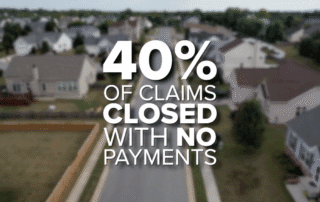
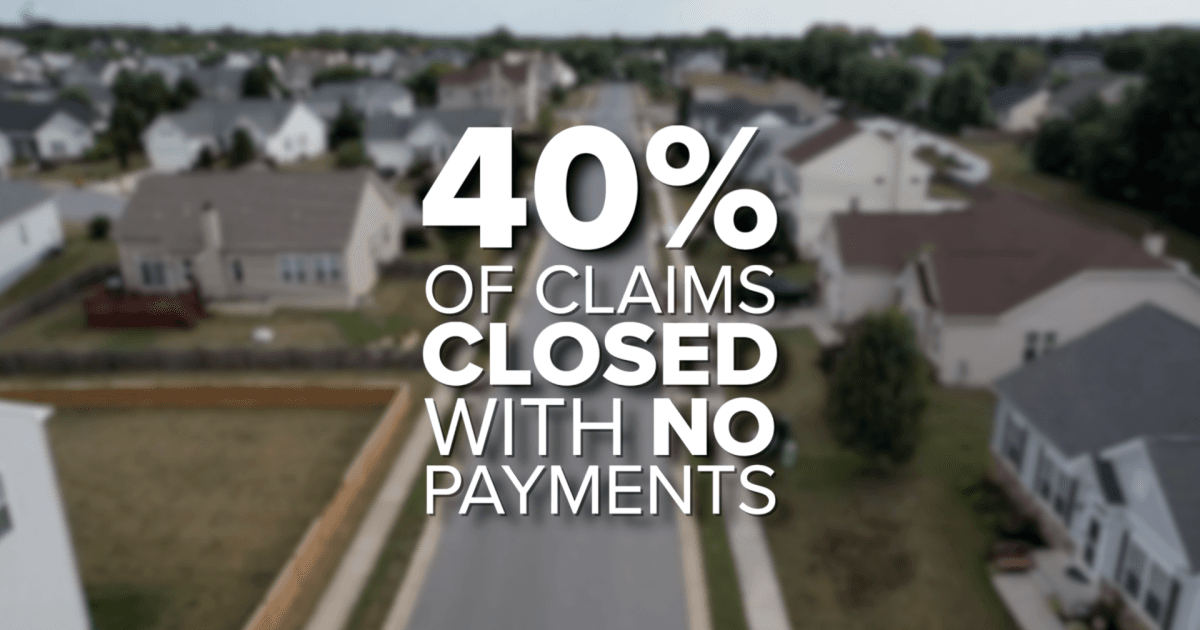
Florida homeowners are being hit with the highest insurance premiums in the nation, averaging $5,838 per year—nearly double the U.S. average. As costs skyrocket, many residents are reporting denied claims, non‑renewals, and impossible financial choices. New investigations reveal that more than 40 percent of claims in Florida close with no payment, while lawmakers push for transparency, fair pricing, and meaningful reform to stabilize a market that’s rapidly becoming unsustainable.
Vend Park, a Boston-based proptech company, has raised $17.5 million in Series A funding to reinvent parking as a high-performing commercial real estate asset. By replacing outdated operator–vendor systems with a unified AI-driven platform, Vend Park is helping major property owners boost NOI by up to 30%, slash operating costs, and modernize the tenant experience. As the company expands from three to fifteen cities and partners with giants like Nuveen and Jamestown, its technology highlights a major shift: real estate professionals must now understand AI, automation, and digital infrastructure to stay competitive.
Keller Williams Realty Atlanta Partners has formed an exclusive partnership with Southeast Mortgage, Georgia’s largest non‑bank mortgage lender. The collaboration promises faster, tech‑enhanced transactions for both agents and homebuyers, combining real estate expertise with streamlined mortgage services. This move reflects a growing trend toward integrated real‑estate ecosystems designed to reduce delays, boost transparency, and modernize the homebuying experience.