That’s the mood in a segment buzzing about South Florida realtors fielding calls from New Yorkers bracing for a potential political shift up north. The clip centers on a Financial Times story about Miami developers pitching “safe spaces” for millionaires if a self-described Democratic Socialist—referred to in the segment as Zoran Mandani—wins the NYC mayoral race. The worry list is familiar: higher taxes, looser criminal enforcement, and a new policy mix that includes a rent freeze and free buses funded by a 2% tax increase on top earners. Meanwhile, Florida’s pitch is the same as always: sunshine, zero state income tax, and a developer on every corner who swears, trust me, this glass tower will change your life.
Here’s what jumped out, beyond the palm trees and punchlines.
First, the safety-and-tax two-step is back. One voice in the segment says plainly: taxes move money; crime moves families. That lands. Years ago, a neighbor on my block had a break-in and I couldn’t sleep for a week—suddenly, the “vibe” of a neighborhood became as real as the rent. People love a city until they don’t feel safe walking the dog. Add a video clip of the candidate challenging what counts as “violent crime,” and the reaction isn’t academic; it’s visceral.
Second, the migration math got spicy. One panelist dropped a vivid stat: roughly 220,000 homes for sale in Florida versus 385,000 millionaires in New York. Not exactly one-to-one, but the point stands—if even a sliver of high earners decamp, pressure builds fast. Another person argued rate cuts will toss gasoline on prices because, well, they usually do. A counterpoint came fast: rising home values aren’t the villain for the two-thirds of Americans who already own—home equity is how a lot of ordinary families build wealth. That’s not theory; it’s how my first condo turned into the down payment that got me out of the “apartment with a view of a brick wall” phase of life.
Still, affordability is not a Twitter myth. The median age of first-time buyers creeping from 32–33 to around 40 is a loud alarm. The segment boiled the path forward into three levers:
Prices fall (ugly for lending, ugly for psychology).
Rates fall (great until prices pop again).
Time does its slow work (incomes rise, even if unevenly).
The “time” argument included a useful nuance: buyers don’t spend 100% of income on housing, so income growth can outpace affordability stress even if it looks flat on paper. Fair. But tell that to a couple touring a $1 million “starter” in Miami that used to be a cute bungalow and is now a concrete bunker with “character.” Time helps; it doesn’t hand over keys.
There was also an old-but-telling migration tale: U-Haul once paying students to drive trucks back to California because too many were heading to Texas one-way. When truck logistics get weird, people are moving. The panel’s thesis is similar: if New York changes quickly—especially on taxes and enforcement—expect a “first wave” south. And they weren’t just calling for hedge funders; they want roofers, HVAC owners, window retrofitting crews—the unglamorous backbone that every growth market needs. Miami loves a DJ, but roofs, not remixes, make a city livable.
So does this all add up to a Miami surge? Short-term, maybe stabilization with a nudge up. Inventory is healthier than during the pandemic rush, and cranes are still doing crane things. But demand from high earners arrives like a tide: slow, then suddenly. If rates drop and the policy gap between the cities widens, the waterline moves higher.
A word on the “safe space for millionaires” framing: it’s cheeky branding, but the subtext is broader than the top 1%. When a city signals “we’re changing the rules,” the first movers tend to be those with options. The second movers are the jobs that follow them. The third movers are the people who just want a predictable school year and a commute that doesn’t require carrying pepper spray. That’s not ideology; that’s how migration waves have always worked.
Personal reality check: the grass isn’t automatically greener—sometimes it’s Astroturf. Taxes go down in Florida; insurance goes up. Sunshine is free; shade is not. A friend who left Brooklyn for Brickell swears his serotonin levels quadrupled—then his HOA fees did, too. Even so, I get the calculus. Quality of life is a composite score, and for a lot of families, certainty outranks nostalgia.
Curious how this plays out on the ground:
New Yorkers contemplating a move—what’s the tipping point: policy, safety, or price?
South Floridians—seeing a pick-up in out-of-state buyers again, or is it just inbox noise?
First-time buyers in either market—what’s the real blocker right now: rates, inventory, or runway for saving?
If the past few years proved anything, it’s that real estate is never just about real estate. It’s where politics, psychology, and personal safety intersect—with U-Hauls idling at the curb.
More Articles
Getting licensed or staying ahead in your career can be a journey—but it doesn’t have to be overwhelming. Grab your favorite coffee or tea, take a moment to relax, and browse through our articles. Whether you’re just starting out or renewing your expertise, we’ve got tips, insights, and advice to keep you moving forward. Here’s to your success—one sip and one step at a time!
The title insurance industry is entering 2026 with a renewed focus on technology, operational efficiency, and stronger agent support after years of volatility. Leaders from major underwriters report rising transaction activity, improved affordability, and a surge in automation and fraud‑prevention tools—signs that smarter systems and better training will define the next wave of growth.
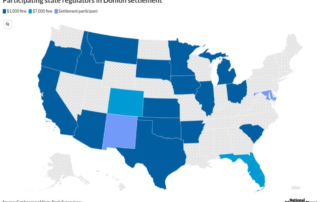
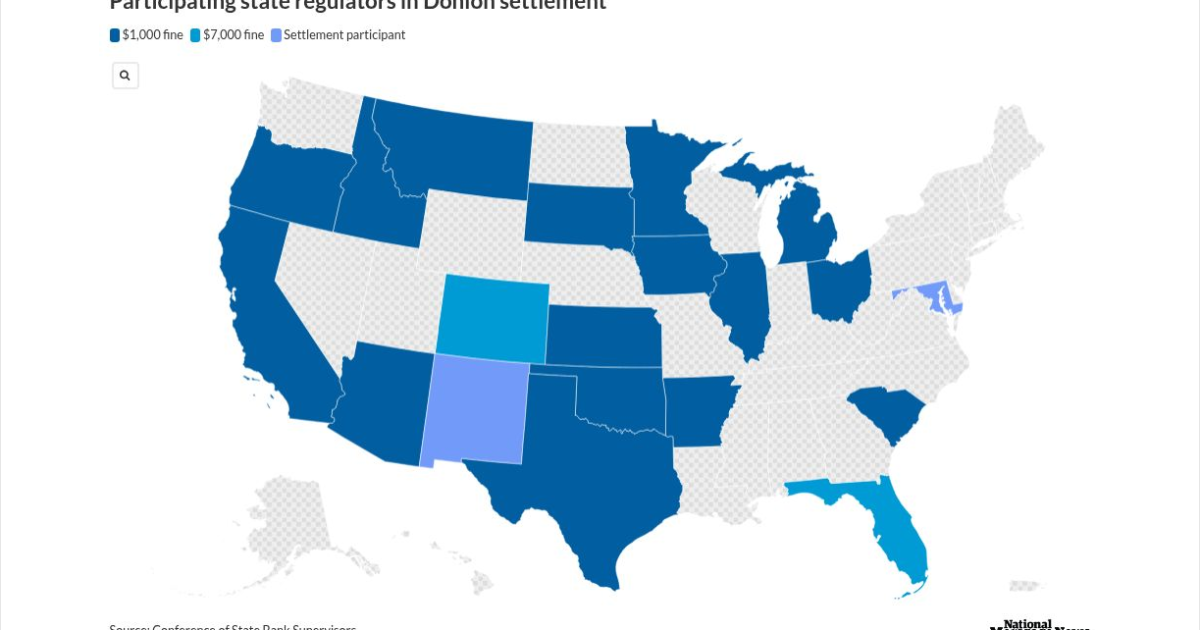
A multistate crackdown has sent shockwaves through the mortgage industry as Patrick Terrance Donlon, CEO of Trusted American Mortgage, accepted a sweeping settlement that bans him from working as a mortgage loan originator in 21 states—19 of them permanently. Regulators say Donlon had another individual complete his mandatory licensing and continuing‑education courses, a violation that triggered a coordinated investigation and a $31,000 penalty. The case underscores regulators’ growing intolerance for education fraud and serves as a sharp reminder to industry professionals: cutting corners on licensing can end careers.
Florida’s once‑booming housing market is cooling fast as rising insurance premiums, increasing foreclosures, and expanding flood zones push buyers to back out of deals and force sellers to cut prices. With insurance now adding thousands to annual housing costs, professionals across real estate, mortgage, and insurance are navigating a dramatically shifting landscape that’s redefining affordability in the Sunshine State.
Florida begins 2026 with a wave of more than 250 new laws now in effect, impacting healthcare, insurance, real estate, and consumer protections statewide. From free breast cancer screenings for state employees to tighter pet insurance regulations, mandatory healthcare refund rules, enhanced animal‑cruelty penalties, and new condo‑management requirements, these updates carry major implications for professionals navigating Florida’s evolving regulatory landscape.
Florida’s barrier islands may offer postcard-perfect beaches and soaring real estate demand, but they’re also some of the most fragile and costly places to build in the United States. With 765,000 residents living on land that shifts, sinks, and takes the brunt of every major hurricane, the financial and insurance risks are accelerating fast. From billion‑dollar beach rebuilds to towers settling into the sand, today’s coastal development challenges are reshaping conversations around property values, disclosure, and long‑term resilience. For real estate professionals, understanding these risks isn’t just smart — it’s becoming essential.
A Cedar City development is turning heads with its fresh approach to affordability. The team behind Temple View Commons is delivering luxury‑inspired twin homes at prices below the local median by using a small, hands‑on staff and cutting traditional costs like realtor commissions. In a tight Utah housing market where inventory is scarce and prices remain high, their strategy offers a realistic path to homeownership without sacrificing high‑end finishes.

 Title Insurance Leaders Double Down on Tech and Efficiency to Drive 2026 Market Momentum Gallery