Judge Tosses Class Status in Batton Commission Lawsuit: What It Means for Real Estate Professionals
A major development has shaken the real estate world as a federal judge has struck down class‑certification efforts in the ongoing Batton homebuyer commission lawsuit. While this represents a procedural win for the National Association of Realtors (NAR) and major brokerages, it also leaves room for plaintiffs to revise and try again. Nearly five years in the making, this lawsuit continues to be one of the most closely watched legal battles in today’s real estate landscape.
A Legal Twist With Major Implications
U.S. District Judge LaShonda A. Hunt granted a motion by NAR, Anywhere Real Estate, RE/MAX, and Keller Williams to strike the proposed class in the Batton case. The plaintiffs allege a “decades‑long, nationwide antitrust conspiracy” forcing buyers to pay inflated broker fees — a claim echoing other high‑profile commission lawsuits reshaping the industry.
Judge Hunt’s ruling was issued without prejudice, allowing plaintiffs the opportunity to revise and resubmit a new class definition. Though the door isn’t closed, the legal path ahead has certainly narrowed.
Why the Class Was Struck Down
Defense attorneys pointed to an earlier ruling from U.S. District Judge Stephen Bough regarding the Sitzer/Burnett settlements, which included an injunction affecting individuals who both bought and sold property. This overlap means many potential Batton plaintiffs already fall under another settlement class.
In fact, nearly 80% of the proposed Batton class may be disqualified due to these conflicts. Judge Hunt agreed the injunction must remain active until reviewed by the 8th U.S. Circuit Court of Appeals.
Two Options for Plaintiffs
Judge Hunt provided plaintiffs with two strategic paths forward:
Submit a revised class‑certification motion with a narrower, compliant class definition.
Pause the case until the 8th Circuit issues a ruling on the related appeal.
This ensures the case remains alive — but under tighter legal constraints.
Billions on the Line
The Batton case is significant not only legally but financially. A recent filing estimated potential damages at an eye‑opening $3.6 billion across four MLS regions. Analysts calculated these damages by comparing U.S. buyer‑agent commissions with international markets, where average buyer‑side fees sit at just 1.38%.
Depending on the outcome, this ruling could reshape the future of agent compensation nationwide — making this one of the most consequential real estate legal stories of the decade.
What Happens Next?
Judge Hunt has ordered all parties to deliver a joint status report by Nov. 24 detailing what work can continue while the appeal is pending. Until then, the case stands at a pivotal moment.
For licensed professionals — especially those navigating Florida’s evolving commission norms — staying informed is vital. Cameron Academy remains a trusted resource for real estate education, licensing, and ongoing professional development. As the industry undergoes rapid legal and regulatory changes, staying certified, updated, and prepared has never been more important.
Getting licensed or staying ahead in your career can be a journey—but it doesn’t have to be overwhelming. Grab your favorite coffee or tea, take a moment to relax, and browse through our articles. Whether you’re just starting out or renewing your expertise, we’ve got tips, insights, and advice to keep you moving forward. Here’s to your success—one sip and one step at a time!
After nearly 20 years under uniquely harsh lending rules, Florida may finally see its condo market freed from a 25% down payment requirement imposed only on the state. Industry leaders say Fannie Mae could announce changes as early as December—potentially restoring the standard 10% down payment used everywhere else in the country. Experts believe the shift would boost maintenance funding, improve affordability, and stabilize Florida’s condo market after years of strain.
Phoenix’s commercial real estate market is shaking off years of uncertainty as broker optimism hits its highest level since interest rates began climbing. The latest ASU Commercial Broker Sentiment Index soared to 62.7, signaling strong confidence across multifamily, retail, office, and capital markets. With population growth accelerating, interest rates easing, and AI boosting industry efficiency, Phoenix is positioning itself for a powerful run into 2026—offering meaningful opportunities for both new and seasoned real estate professionals.
Michigan’s House Rules Committee heard testimony on a proposal that would let licensed professionals complete all required continuing education online. Supporters say the change would modernize outdated rules, reduce costs, and improve access for rural and busy workers. The state licensing department backs the measure, and lawmakers noted it could reshape CE options across industries from real estate to insurance and healthcare.
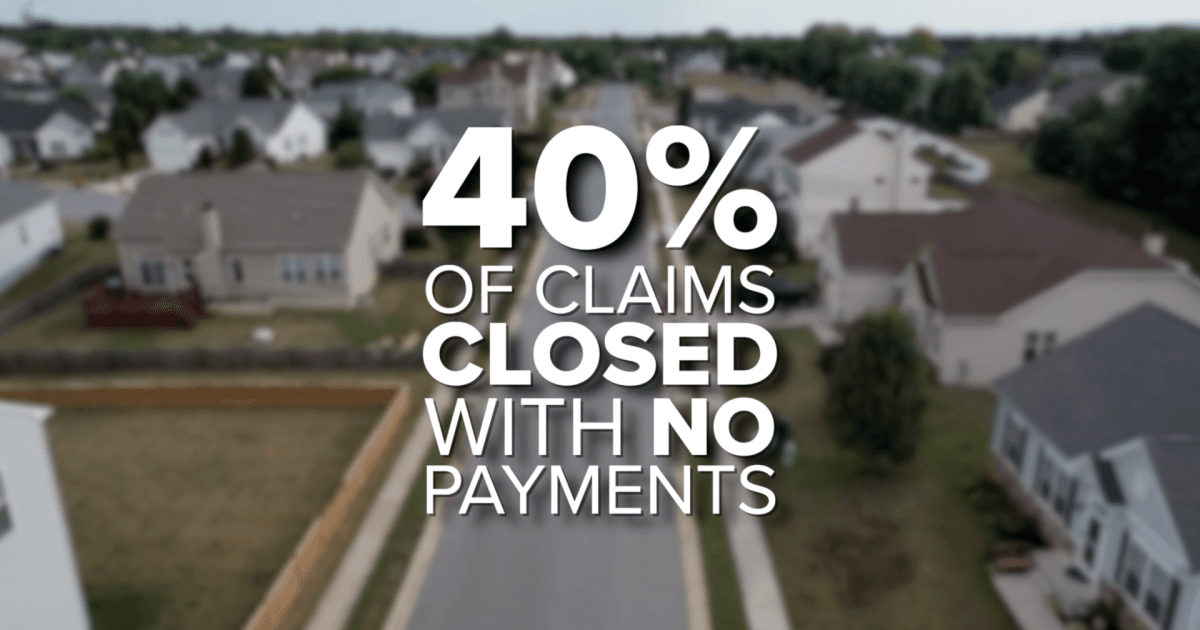
Florida homeowners are now paying an average of $5,838 per year for insurance — nearly $3,000 above the national average — making it one of the most expensive states in the country. As premiums continue to triple for some residents, many are being forced into tough decisions, from delaying home improvements to dropping coverage altogether. With more than 40% of claims closed with no payment and lawmakers pushing for aggressive reforms, the crisis is reshaping Florida’s housing market and placing growing pressure on real estate, mortgage, and insurance professionals statewide.
Griffin Funding has elevated John Jones to Senior Vice President of Growth and EOS Integrator, marking a major step in the company’s long-term expansion strategy. Already a key operational leader since April 2025, Jones will now drive performance optimization, market expansion, and leadership development as the lender pursues an ambitious goal of reaching $3 billion in annual non-QM loan volume by 2030. His promotion underscores Griffin Funding’s commitment to scaling strategically while strengthening its position in the fast-growing non-QM space.
Despite recent Federal Reserve rate cuts, commercial real estate remains frozen. Long‑term Treasury yields continue to climb, keeping borrowing costs high and preventing the relief investors expected. With nearly $1 trillion in commercial loans coming due, refinancing at today’s elevated rates is squeezing owners, slowing transactions, and creating a widening gap between buyers and sellers. For patient, well‑capitalized investors, this period of recalibration may offer some of the strongest opportunities in years.