Judge Tosses Class Status in Batton Commission Lawsuit: What It Means for Real Estate Professionals
A major development has shaken the real estate world as a federal judge has struck down class‑certification efforts in the ongoing Batton homebuyer commission lawsuit. While this represents a procedural win for the National Association of Realtors (NAR) and major brokerages, it also leaves room for plaintiffs to revise and try again. Nearly five years in the making, this lawsuit continues to be one of the most closely watched legal battles in today’s real estate landscape.
A Legal Twist With Major Implications
U.S. District Judge LaShonda A. Hunt granted a motion by NAR, Anywhere Real Estate, RE/MAX, and Keller Williams to strike the proposed class in the Batton case. The plaintiffs allege a “decades‑long, nationwide antitrust conspiracy” forcing buyers to pay inflated broker fees — a claim echoing other high‑profile commission lawsuits reshaping the industry.
Judge Hunt’s ruling was issued without prejudice, allowing plaintiffs the opportunity to revise and resubmit a new class definition. Though the door isn’t closed, the legal path ahead has certainly narrowed.
Why the Class Was Struck Down
Defense attorneys pointed to an earlier ruling from U.S. District Judge Stephen Bough regarding the Sitzer/Burnett settlements, which included an injunction affecting individuals who both bought and sold property. This overlap means many potential Batton plaintiffs already fall under another settlement class.
In fact, nearly 80% of the proposed Batton class may be disqualified due to these conflicts. Judge Hunt agreed the injunction must remain active until reviewed by the 8th U.S. Circuit Court of Appeals.
Two Options for Plaintiffs
Judge Hunt provided plaintiffs with two strategic paths forward:
Submit a revised class‑certification motion with a narrower, compliant class definition.
Pause the case until the 8th Circuit issues a ruling on the related appeal.
This ensures the case remains alive — but under tighter legal constraints.
Billions on the Line
The Batton case is significant not only legally but financially. A recent filing estimated potential damages at an eye‑opening $3.6 billion across four MLS regions. Analysts calculated these damages by comparing U.S. buyer‑agent commissions with international markets, where average buyer‑side fees sit at just 1.38%.
Depending on the outcome, this ruling could reshape the future of agent compensation nationwide — making this one of the most consequential real estate legal stories of the decade.
What Happens Next?
Judge Hunt has ordered all parties to deliver a joint status report by Nov. 24 detailing what work can continue while the appeal is pending. Until then, the case stands at a pivotal moment.
For licensed professionals — especially those navigating Florida’s evolving commission norms — staying informed is vital. Cameron Academy remains a trusted resource for real estate education, licensing, and ongoing professional development. As the industry undergoes rapid legal and regulatory changes, staying certified, updated, and prepared has never been more important.
Getting licensed or staying ahead in your career can be a journey—but it doesn’t have to be overwhelming. Grab your favorite coffee or tea, take a moment to relax, and browse through our articles. Whether you’re just starting out or renewing your expertise, we’ve got tips, insights, and advice to keep you moving forward. Here’s to your success—one sip and one step at a time!
Florida’s property insurance system is once again spiraling as new “market-friendly” reforms fail to stabilize rising premiums, insurer failures, and mounting homeowner frustration. Despite aggressive efforts to shift policyholders from Citizens to private carriers, many of the new insurers stepping in are tied to past insolvencies, questionable ratings, and political influence. For real estate, mortgage, and insurance professionals, these systemic cracks are reshaping closings, valuations, and risk across the state—making it essential to stay ahead of ongoing regulatory and market shifts.
Commercial real estate is heading into a turning‑point year in 2026, driven by economic uncertainty, AI‑powered transformation, shifting demographics and rising portfolio risk. Insights from The Counselors of Real Estate highlight the top issues shaping the year ahead—from fiscal pressures and capital constraints to housing shortages, global volatility and the future of data‑driven decision‑making. For real estate, mortgage, insurance and finance professionals, these trends offer a clear roadmap for staying competitive and preparing for the next wave of industry change.
AI-powered tools, fraud protection systems, and smarter MLS integrations are sweeping through the real estate industry as major organizations adopt new technologies. From RealReports hitting its 50th partnership to BeachesMLS unveiling instant AI home visualizations and Doorify boosting security, professionals are seeing rapid advancements that promise sharper insights, safer transactions, and more efficient rental workflows. This evolving tech landscape underscores the importance of staying educated and adaptable — especially for agents preparing for a competitive, AI-enhanced 2025 market.
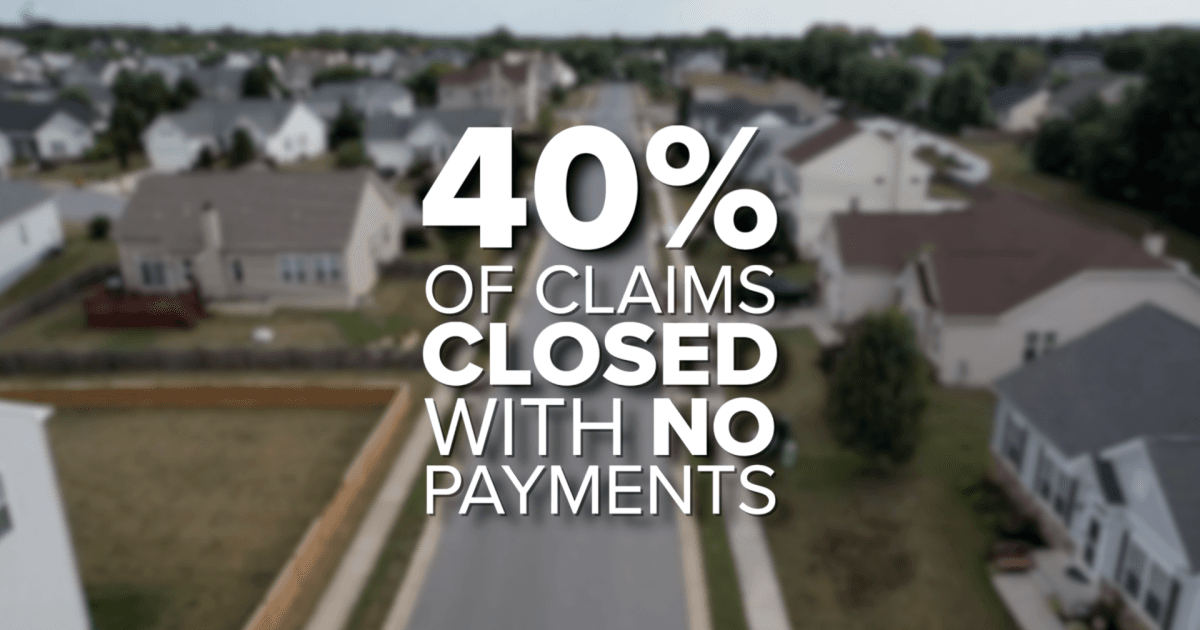
Florida homeowners are being hit with the highest insurance premiums in the nation, averaging $5,838 per year—nearly double the U.S. average. As costs skyrocket, many residents are reporting denied claims, non‑renewals, and impossible financial choices. New investigations reveal that more than 40 percent of claims in Florida close with no payment, while lawmakers push for transparency, fair pricing, and meaningful reform to stabilize a market that’s rapidly becoming unsustainable.
Vend Park, a Boston-based proptech company, has raised $17.5 million in Series A funding to reinvent parking as a high-performing commercial real estate asset. By replacing outdated operator–vendor systems with a unified AI-driven platform, Vend Park is helping major property owners boost NOI by up to 30%, slash operating costs, and modernize the tenant experience. As the company expands from three to fifteen cities and partners with giants like Nuveen and Jamestown, its technology highlights a major shift: real estate professionals must now understand AI, automation, and digital infrastructure to stay competitive.
Keller Williams Realty Atlanta Partners has formed an exclusive partnership with Southeast Mortgage, Georgia’s largest non‑bank mortgage lender. The collaboration promises faster, tech‑enhanced transactions for both agents and homebuyers, combining real estate expertise with streamlined mortgage services. This move reflects a growing trend toward integrated real‑estate ecosystems designed to reduce delays, boost transparency, and modernize the homebuying experience.