In the heated arena of the U.S. presidential race, Vice President Kamala Harris has been making waves with her pointed critiques of former President Donald Trump’s business history. During a rally in Charlotte, North Carolina, on September 12, Harris unveiled her proposal for a $50,000 tax deduction aimed at small business startups. She then took a direct jab at Trump, asserting, “You know, not everybody started out with $400m on a silver platter and then filed for bankruptcy six times.”
Harris’s remarks have sparked a flurry of fact-checking, with many turning to a recent article from Al Jazeera that delves into the veracity of these claims. The article references a comprehensive 2018 analysis by The New York Times, revealing that Trump did indeed receive approximately $413 million from his father, Fred Trump, over his lifetime. However, this sum was not a single lump sum at the start of his career but rather dispersed over many years.
During a recent debate, Trump countered Harris’s claims, stating, “I wasn’t given $400m. I wish I was. My father was a Brooklyn builder. Brooklyn, Queens. And a great father, and I learned a lot from him. But I was given a fraction of that, a tiny fraction, and I built it into many, many billions of dollars.” The debate further intensified when Harris reiterated her points in a conversation hosted by Oprah Winfrey.
The Al Jazeera article also examines the claim of Trump’s six bankruptcies, confirming its accuracy. Trump’s financial struggles included high-profile bankruptcies such as the Trump Taj Mahal casino in 1991 and Trump Entertainment Resorts in 2009, among others. Experts have noted that while Trump did experience these financial setbacks, they are not uncommon in the business world.
Our Ruling
While Harris’s statement about Trump’s business beginnings contains elements of truth, it omits significant details. The New York Times investigation clarifies that Trump did not start his business career with $400 million readily available. Instead, he had the prospect of inheriting a portion of his father’s substantial real estate empire. This nuanced reality leads us to rate Harris’s statement as Half True.
Conclusion
As the presidential race progresses, the scrutiny of candidates’ claims remains crucial. Harris’s comments highlight the ongoing debate about wealth and privilege in America, while Trump’s rebuttal underscores the complexities of his business legacy. The full story, as always, is layered and multifaceted.
More Articles
Getting licensed or staying ahead in your career can be a journey—but it doesn’t have to be overwhelming. Grab your favorite coffee or tea, take a moment to relax, and browse through our articles. Whether you’re just starting out or renewing your expertise, we’ve got tips, insights, and advice to keep you moving forward. Here’s to your success—one sip and one step at a time!
Skyrocketing insurance premiums and soaring rebuilding costs are transforming communities across Southwest Florida, especially in the wake of Hurricane Ian. As longtime residents struggle to keep up with rising financial pressure, wealthier newcomers and stricter building standards are reshaping the identity of places like Fort Myers Beach. With insurance rates now driving home sales, triggering potential foreclosures, and squeezing both owners and renters, Florida’s middle-class families face a growing question: can they afford to stay in the state they love?
Florida’s insurance industry is stabilizing fast, with nearly 1.6 million policies shifting from Citizens to private insurers and litigation dropping sharply. Regulators report stronger market confidence, decreasing premiums, and renewed competition—signaling one of the healthiest periods the state has seen in years.
A Leon County judge has ordered the restart of arbitration for Citizens Property Insurance claims, directly conflicting with a previous ruling that halted the process as potentially unconstitutional. With more than 400 cases now back in motion, real estate, insurance, and mortgage professionals can expect renewed activity in claim disputes and fresh uncertainty as Florida courts clash over the legality of Citizens’ arbitration system.
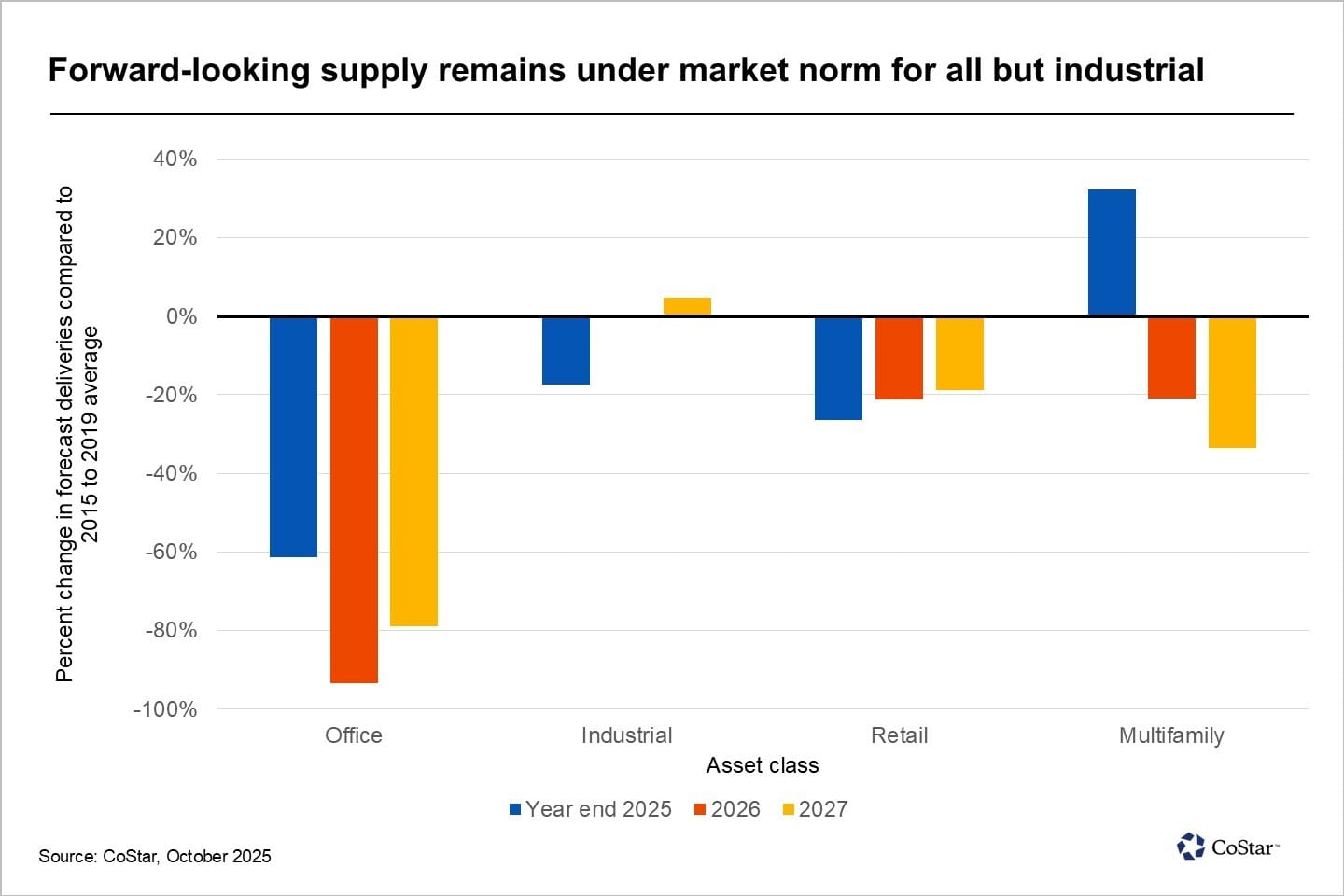
The DFW market is transitioning into a new construction phase marked by a slowdown in office development, a more selective approach to industrial projects, and an evolving housing landscape shaped by affordability and population growth. Developers are recalibrating their priorities, and for real estate professionals, understanding these shifts offers a critical edge in navigating—and capitalizing on—the next phase of the metroplex’s growth.
A new federal lawsuit claims Zillow pushed homebuyers toward Zillow Home Loans by rewarding affiliated agents with valuable leads — all without proper disclosure. The suit alleges undisclosed incentives, referral quotas, and potential RESPA violations, raising major concerns about steering, fiduciary duties, and Zillow’s expanding mortgage ambitions.
The mortgage industry is evolving fast, and the lenders who come out on top will be those who innovate without uprooting what already works. By building on strong technology foundations, streamlining workflows and adopting smart automation, lenders can reduce costs, improve customer experience and stay resilient in any market cycle. This article breaks down why innovation matters now, how a stable tech ecosystem protects lenders in volatile conditions and why small, strategic steps can drive long-term transformation.