Lofty Unveils the First Agentic AI Operating System: A New Era for Real Estate Productivity

Human and ai collaboration illustration

Artificial intelligence has officially entered its next evolution in the real estate world—and it’s far more than just smart prompts or automated messages. Lofty has launched Lofty AOS, the industry’s first agentic AI operating system, built to autonomously plan, execute, and manage entire real estate workflows.

For busy agents and brokerages, this marks a transformative shift. Instead of juggling dozens of manual tasks or relying on disconnected platforms, Lofty AOS acts like an intelligent digital workforce that manages lead handling, marketing, websites, transactions, and more—without waiting for step-by-step prompting.

AOS: AI That Doesn’t Wait for Instructions

Traditional AI reacts. Agentic AI takes initiative. Lofty AOS understands priorities, coordinates tasks, and completes end-to-end operations while adapting to each brokerage’s structure and goals.

Lofty CEO Joe Chen highlighted this evolution, emphasizing that organizations embracing agentic systems will “move beyond simple AI tools” and unlock exponential growth in productivity and business performance.

A Fully Specialized Network of AI Agents

Lofty AOS functions as a team of advanced digital agents—each one mastering a crucial pillar of real estate operations:

  • AI Assistant – Prioritizes high-value agent activities
  • Sales Agent – Engages leads, qualifies prospects, analyzes calls, and generates scripts
  • Social Agent – Builds and executes social media strategies
  • Homeowner Agent – Enriches databases and automates valuation-driven marketing
  • Website Builder – Creates SEO-optimized websites without design expertise
  • SEO/AEO Manager – Boosts visibility across traditional and AI-driven search systems
  • Transaction Coordinator – Manages mission‑critical steps during property transactions

Together, these agents eliminate tedious administrative work and ensure nothing slips through the cracks—something every real estate professional can appreciate.

Changing How Real Estate Teams Work

According to Taylor from Lofty, transitioning from traditional to agentic AI is more than a technological upgrade—it’s a reshaping of brokerage operations. This shift encourages teams to rethink workflows and redefine responsibilities to unlock AI’s true potential.

In a world where agents must balance marketing, lead nurturing, client communication, and compliance, offloading these tasks to an autonomous AI system could entirely redefine what “productive” means.

What This Means for Real Estate Professionals

Tools like Lofty AOS are reshaping the skill sets modern agents need. While AI handles more operational work, the industry still heavily relies on licensed, knowledgeable professionals who excel at negotiation, contract comprehension, and client guidance.

This is where Cameron Academy remains vital. As AI transforms workflows, agents who are well-trained, well-licensed, and adaptable will not just keep up—they’ll thrive.

Professionals who combine strong foundational knowledge with a keen understanding of emerging technologies will be the ones who lead the next wave of real estate success.

Explore Lofty AOS firsthand at lofty.com. Original coverage from RISMedia can be found here: read the full article.

More Articles

Getting licensed or staying ahead in your career can be a journey—but it doesn’t have to be overwhelming. Grab your favorite coffee or tea, take a moment to relax, and browse through our articles. Whether you’re just starting out or renewing your expertise, we’ve got tips, insights, and advice to keep you moving forward. Here’s to your success—one sip and one step at a time!

The Rising Cost of Disaster: How Insurance Upheaval Is Reshaping Florida’s Middle Class

Skyrocketing insurance premiums and soaring rebuilding costs are transforming communities across Southwest Florida, especially in the wake of Hurricane Ian. As longtime residents struggle to keep up with rising financial pressure, wealthier newcomers and stricter building standards are reshaping the identity of places like Fort Myers Beach. With insurance rates now driving home sales, triggering potential foreclosures, and squeezing both owners and renters, Florida’s middle-class families face a growing question: can they afford to stay in the state they love?

Florida’s Insurance Market Enters Its Strongest Phase in Years as Private Carriers Take Over

Florida’s insurance industry is stabilizing fast, with nearly 1.6 million policies shifting from Citizens to private insurers and litigation dropping sharply. Regulators report stronger market confidence, decreasing premiums, and renewed competition—signaling one of the healthiest periods the state has seen in years.

Florida Judge Restarts Citizens Insurance Arbitration, Re‑Igniting 400+ Stalled Claims

A Leon County judge has ordered the restart of arbitration for Citizens Property Insurance claims, directly conflicting with a previous ruling that halted the process as potentially unconstitutional. With more than 400 cases now back in motion, real estate, insurance, and mortgage professionals can expect renewed activity in claim disputes and fresh uncertainty as Florida courts clash over the legality of Citizens’ arbitration system.

Dallas–Fort Worth Enters a New Real Estate Cycle as Developers Shift Strategies

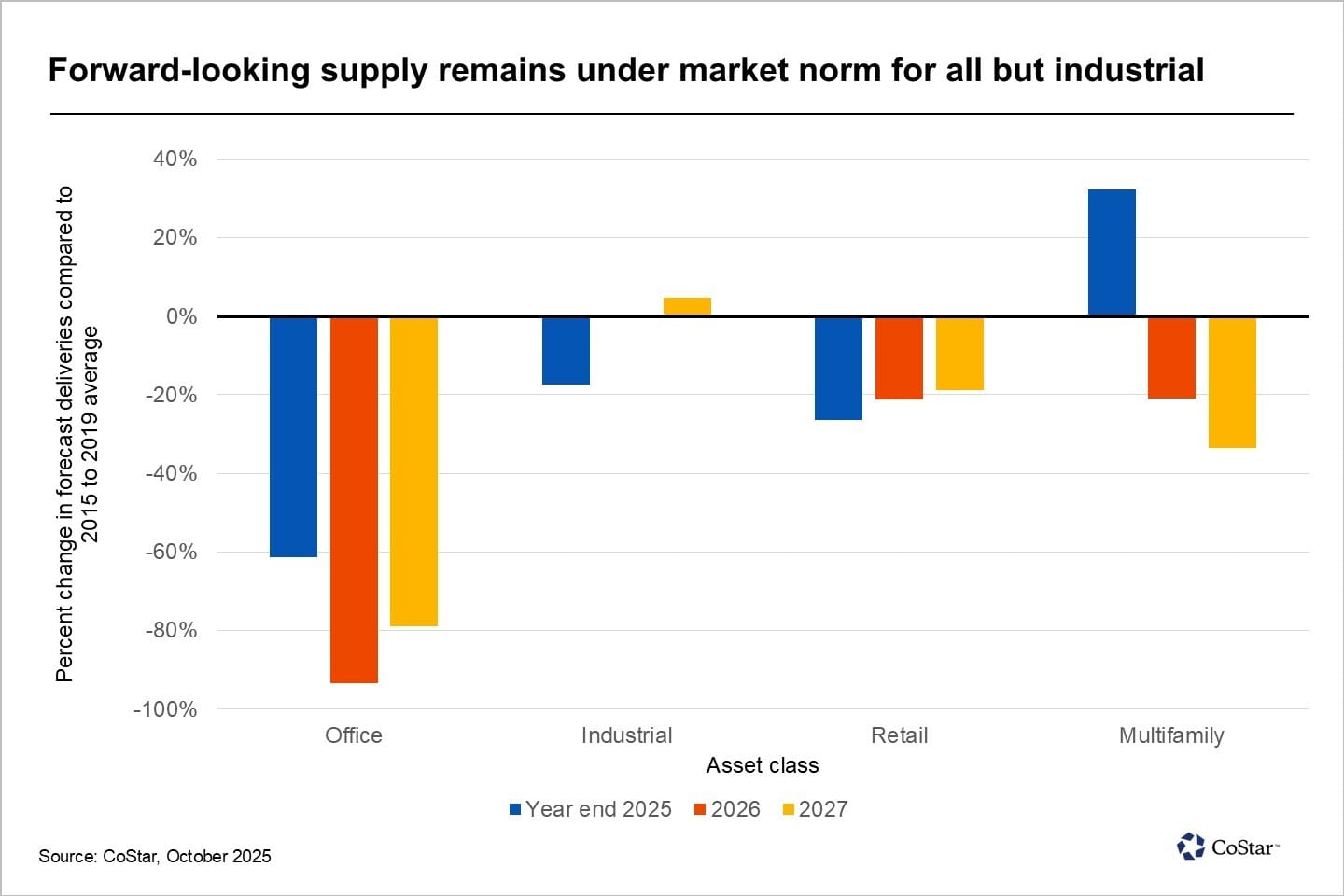
The DFW market is transitioning into a new construction phase marked by a slowdown in office development, a more selective approach to industrial projects, and an evolving housing landscape shaped by affordability and population growth. Developers are recalibrating their priorities, and for real estate professionals, understanding these shifts offers a critical edge in navigating—and capitalizing on—the next phase of the metroplex’s growth.

Zillow Faces New Lawsuit Over Alleged Pressure on Buyers to Use Zillow Home Loans

A new federal lawsuit claims Zillow pushed homebuyers toward Zillow Home Loans by rewarding affiliated agents with valuable leads — all without proper disclosure. The suit alleges undisclosed incentives, referral quotas, and potential RESPA violations, raising major concerns about steering, fiduciary duties, and Zillow’s expanding mortgage ambitions.

Embracing Innovation to Stay Competitive in a Shifting Mortgage Market

The mortgage industry is evolving fast, and the lenders who come out on top will be those who innovate without uprooting what already works. By building on strong technology foundations, streamlining workflows and adopting smart automation, lenders can reduce costs, improve customer experience and stay resilient in any market cycle. This article breaks down why innovation matters now, how a stable tech ecosystem protects lenders in volatile conditions and why small, strategic steps can drive long-term transformation.