Long Island’s Commercial Real Estate Market Surges to Record-Breaking $4.1 Billion
Long Island just posted its strongest commercial real estate year in history, with 2025 deal volume blasting through previous records and reaching an unprecedented $4.1 billion. The findings come from a new deep-dive market report released by Cushman & Wakefield, and the numbers reveal a seismic shift in how investors, developers, and end users are engaging with the market.
The surge represents a stunning 71.5% increase from 2024, signaling that investor confidence—and capital—returned to the region in force, particularly in the second half of the year as interest rates eased.
Specialty Use Properties Lead the Charge
While nearly every property type experienced gains, specialty-use assets stole the spotlight. Assisted living facilities, rehabilitation centers, and self-storage units dominated the top deal lists, accounting for half of the ten largest trades of 2025.
The combined volume was massive: more than $1.965 billion in Nassau and over $2.126 billion in Suffolk. One of the most eye-catching deals was a blockbuster $603 million portfolio acquisition by Ventas, including five Bristal Assisted Living facilities.
Click to expand: 2025 Major Deal Highlights
$603 million Ventas purchase of Bristal Assisted Living portfolio
$135.7 million acquisition of the Philosophy Care Centers portfolio
$124.2 million purchase of the Casata Organization multifamily portfolio
$118.6 million purchase of the former CA Technology site in Islandia
$107 million purchase of a 420-unit rental complex in Hempstead
Transactions Surge Across Nassau and Suffolk
Nassau County recorded 436 completed transactions—a 29% jump—while Suffolk wasn’t far behind with 423 deals, nearly 16% more than in 2024. This combination of volume and high-dollar activity pushed Long Island to its strongest performance ever.
Research analyst Dimitri Mastrogiannis noted that specialty assets roared back as national portfolios targeted Long Island “at a clip we haven’t seen.” Lower interest rates also reignited investor urgency after a period of hesitation.
A Market Powered by New Buyer Profiles
Dan Abbondandolo, who leads the Cushman & Wakefield Long Island Investment Sales and Capital Markets team, highlighted a meaningful shift: end users became far more active—especially in the $5 million to $25 million segment. Ownership transitions, debt restructuring, and generational turnover significantly contributed to buyer momentum.
Looking ahead, the path seems bright. New capital sources are stepping in, with private equity, family offices, and private capital filling the gap left by stepping-back institutional investors.
Abbondandolo emphasized that the office market “has found its bottom,” retail is strengthening, and lower interest rates will continue to activate sidelined demand.
What Professionals Can Learn From This Surge
This record-setting year reinforces a powerful truth: commercial real estate remains one of the most opportunity-rich and resilient sectors in the United States. For professionals aiming to elevate their careers in real estate, finance, insurance, or related fields, understanding regional market behavior is invaluable.
If you’re considering licensing or continuing your education, Cameron Academy offers flexible, top-tier professional programs across all 50 states. Staying educated is one of the smartest ways to stay competitive in fast-moving markets like Long Island’s.
Getting licensed or staying ahead in your career can be a journey—but it doesn’t have to be overwhelming. Grab your favorite coffee or tea, take a moment to relax, and browse through our articles. Whether you’re just starting out or renewing your expertise, we’ve got tips, insights, and advice to keep you moving forward. Here’s to your success—one sip and one step at a time!
Florida homeowners — especially in hard‑hit South Florida — are set to see rare and substantial reductions in their property insurance premiums. Gov. Ron DeSantis announced an average statewide Citizens Insurance decrease of 8.7%, with even larger savings of up to 14% in counties like Miami-Dade, Broward, and Palm Beach. State officials credit recent legal and regulatory reforms for stabilizing the market, attracting new insurers, and delivering the first meaningful rate relief Floridians have seen in years.
Tampa’s commercial real estate market isn’t slowing—it’s maturing. With strong population growth, rising office demand, a normalized industrial sector, resurgent retail, and an emerging health‑care real estate boom, investors are shifting from speed to strategy. Tighter underwriting, cautious capital and increased due‑diligence are shaping a more disciplined market, creating new opportunities for informed professionals.
Florida homeowners are finally seeing relief as Citizens Property Insurance announces a major 8.7% average rate decrease—far larger than originally proposed. Driven by legislative reforms, fewer lawsuits, and a calm hurricane season, the state’s once‑unstable insurance market is showing real signs of recovery. But with reduced coverage limits and shifting legal protections, experts warn that lower premiums may come with hidden trade‑offs.
After a decade of rising premiums and retreating carriers, Florida homeowners are finally seeing long‑awaited relief. Dozens of insurers have filed for rate decreases—some as high as 11%—thanks to legislative reforms and a stabilizing market. Early approvals are already hitting counties across the state, and experts say the momentum could boost buyer confidence, affordability, and competition throughout Florida’s real estate and insurance sectors.
After years of slowed activity caused by rising interest rates, the self‑storage industry is heating up again. New data from Marcus & Millichap shows a fresh market cycle emerging, driven by renewed buyer confidence, recalibrated pricing, and stronger lender participation. Acquisitions are rebounding, development is resetting in a healthier direction, and financing conditions are improving—creating one of the most promising investment landscapes the sector has seen in years.
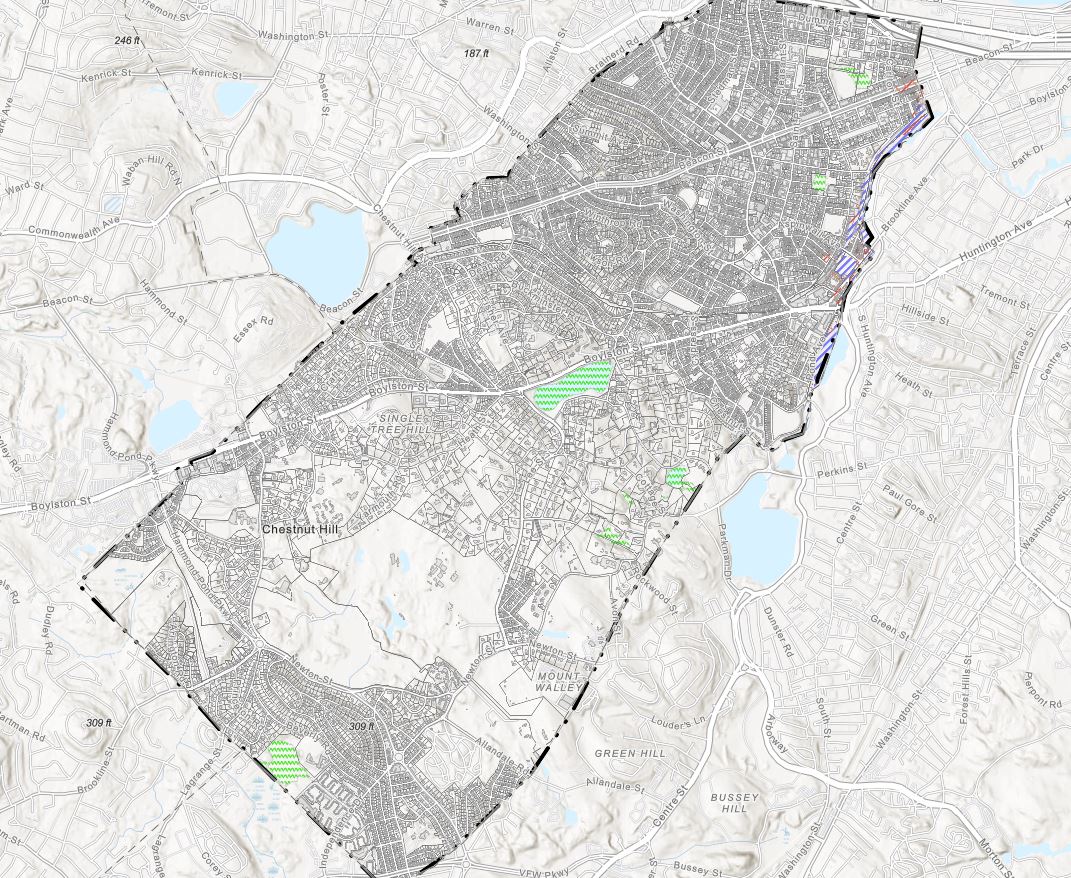
Brookline’s newly updated FEMA flood maps identify 97 high‑risk parcels, but local experts warn the true threat is far greater. While FEMA highlights river‑based flooding around Leverett Pond and the Muddy River, alternative models show more than 1,300 Brookline properties at risk within 30 years. Hidden vulnerabilities along major corridors like Beacon Street, rising rainfall intensity, aging infrastructure, and climate‑driven storm patterns suggest that many “low‑risk” areas may be anything but safe.