Long Island’s Commercial Real Estate Market Surges to Record-Breaking $4.1 Billion
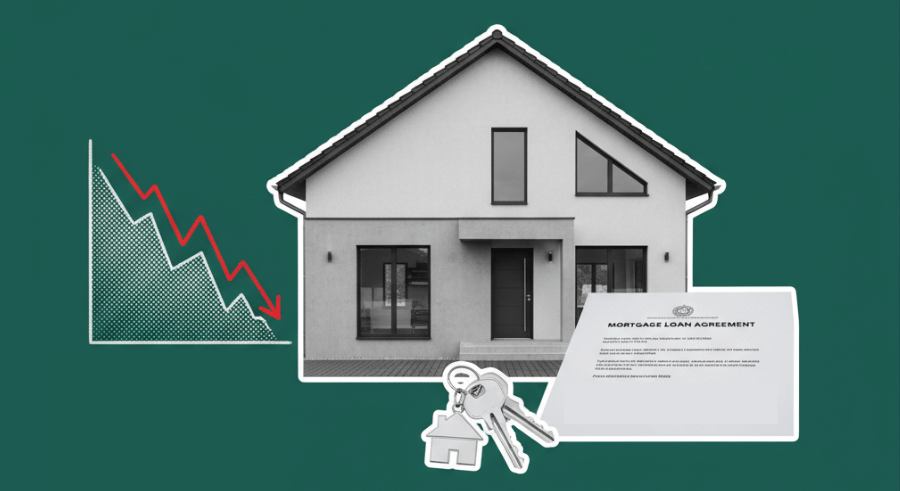
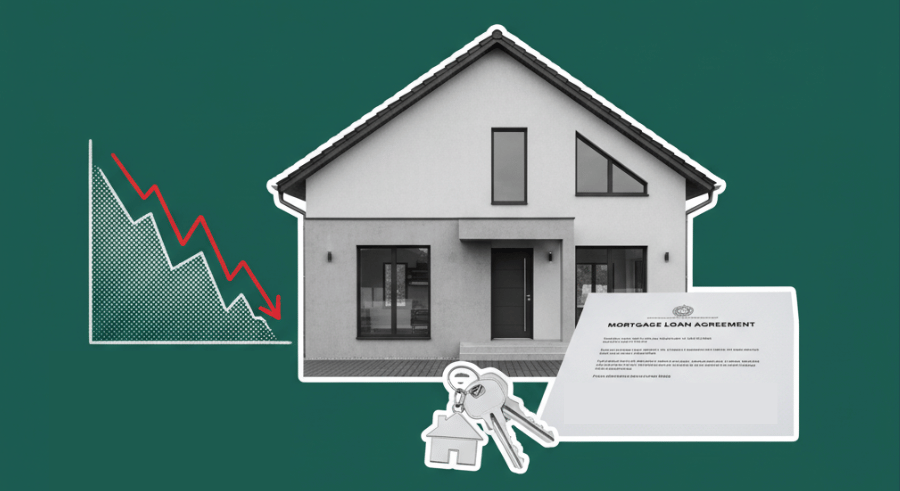
Long Island just posted its strongest commercial real estate year in history, with 2025 deal volume blasting through previous records and reaching an unprecedented $4.1 billion. The findings come from a new deep-dive market report released by Cushman & Wakefield, and the numbers reveal a seismic shift in how investors, developers, and end users are engaging with the market.
The surge represents a stunning 71.5% increase from 2024, signaling that investor confidence—and capital—returned to the region in force, particularly in the second half of the year as interest rates eased.
Specialty Use Properties Lead the Charge
While nearly every property type experienced gains, specialty-use assets stole the spotlight. Assisted living facilities, rehabilitation centers, and self-storage units dominated the top deal lists, accounting for half of the ten largest trades of 2025.
The combined volume was massive: more than $1.965 billion in Nassau and over $2.126 billion in Suffolk. One of the most eye-catching deals was a blockbuster $603 million portfolio acquisition by Ventas, including five Bristal Assisted Living facilities.
Click to expand: 2025 Major Deal Highlights
$603 million Ventas purchase of Bristal Assisted Living portfolio
$135.7 million acquisition of the Philosophy Care Centers portfolio
$124.2 million purchase of the Casata Organization multifamily portfolio
$118.6 million purchase of the former CA Technology site in Islandia
$107 million purchase of a 420-unit rental complex in Hempstead
Transactions Surge Across Nassau and Suffolk
Nassau County recorded 436 completed transactions—a 29% jump—while Suffolk wasn’t far behind with 423 deals, nearly 16% more than in 2024. This combination of volume and high-dollar activity pushed Long Island to its strongest performance ever.
Research analyst Dimitri Mastrogiannis noted that specialty assets roared back as national portfolios targeted Long Island “at a clip we haven’t seen.” Lower interest rates also reignited investor urgency after a period of hesitation.
A Market Powered by New Buyer Profiles
Dan Abbondandolo, who leads the Cushman & Wakefield Long Island Investment Sales and Capital Markets team, highlighted a meaningful shift: end users became far more active—especially in the $5 million to $25 million segment. Ownership transitions, debt restructuring, and generational turnover significantly contributed to buyer momentum.
Looking ahead, the path seems bright. New capital sources are stepping in, with private equity, family offices, and private capital filling the gap left by stepping-back institutional investors.
Abbondandolo emphasized that the office market “has found its bottom,” retail is strengthening, and lower interest rates will continue to activate sidelined demand.
What Professionals Can Learn From This Surge
This record-setting year reinforces a powerful truth: commercial real estate remains one of the most opportunity-rich and resilient sectors in the United States. For professionals aiming to elevate their careers in real estate, finance, insurance, or related fields, understanding regional market behavior is invaluable.
If you’re considering licensing or continuing your education, Cameron Academy offers flexible, top-tier professional programs across all 50 states. Staying educated is one of the smartest ways to stay competitive in fast-moving markets like Long Island’s.
Getting licensed or staying ahead in your career can be a journey—but it doesn’t have to be overwhelming. Grab your favorite coffee or tea, take a moment to relax, and browse through our articles. Whether you’re just starting out or renewing your expertise, we’ve got tips, insights, and advice to keep you moving forward. Here’s to your success—one sip and one step at a time!
Tokenization has surged from crypto niche to global financial disruptor as institutions like Robinhood, BlackRock, and Coinbase race to digitize real-world assets. With pro‑crypto political momentum, shifting regulations, and private companies resisting newfound transparency, this emerging wave is transforming how investments are bought, sold, and accessed. For professionals in real estate, finance, lending, and insurance, this shift signals massive opportunity—and equally massive responsibility—as the next era of asset ownership takes shape.
Florida homeowners are finally getting relief as Citizens Property Insurance announces an average 8.7% statewide rate reduction for 2026, with South Florida seeing cuts as high as 14%. Driven by recent tort reforms and a stabilizing market, these decreases signal a major turnaround for an industry once on the brink of collapse — and a potential boost for real estate activity across the state.
After years of roller‑coaster chaos, the 2026 U.S. housing market is easing into something professionals haven’t seen in a long time: balance. Inventory growth has slowed to just 10% year over year—down sharply from 2025’s surge—signaling the end of the pandemic‑era scarcity and the rise of a market driven by real‑time demand and interest rates. With seasonal patterns returning, negotiations replacing bidding wars and rates drifting toward 6%, agents, lenders and investors are finally navigating conditions that look… normal.
More than half of Gen Z investors say they entered the stock market because of social media—not textbooks, not advisors. Viral creators, AI tools, and crypto trends are reshaping how young adults learn about money, invest early, and chase financial freedom. This Fortune‑featured shift highlights a generation determined to build wealth fast, trust digital voices over traditional institutions, and redefine financial education for the future.
After years of extremes, the U.S. housing market is shifting into a more balanced, predictable phase. Inventory growth has cooled from last year’s surge, seasonality is returning, and pricing is becoming increasingly rate‑sensitive. With mortgage rates hovering near 6% and policy changes reshaping investor participation, 2026 is emerging as a negotiation‑driven market where skilled agents, lenders, builders, and investors have a renewed advantage. This new landscape rewards strategy, education, and real‑time demand awareness—making it an ideal moment for professionals to refine their approach and capitalize on the market’s normalization.
A sudden policy shift at the start of 2026 is already pushing mortgage rates lower, dipping them under 6% for the first time in months. New projections suggest the government-sponsored enterprises’ $200 billion in mortgage‑backed securities purchases could accelerate rate declines throughout the year, boosting affordability, home sales, and overall market activity for buyers, sellers, and real estate professionals alike.