Long Island’s Latest Commercial Moves: From Pizza Huts to Auto Parts Warehouses
Long Island’s commercial real estate market is kicking off 2026 with an impressive wave of activity, stretching from Medford to Franklin Square and beyond. Industrial leases, retail acquisitions, and mixed-use purchases all highlight neighborhoods that continue to evolve and adapt to today’s business needs. Each new deal adds to the island’s story—one of resilience, opportunity, and constant reinvention.
These transactions, originally reported by Long Island Business News, show a market that is anything but slow. Whether you’re a real estate student, a seasoned agent, an investor, or exploring a new professional path, staying informed about regional shifts like these is invaluable.
Industrial Momentum in Medford
At 22 Industrial Blvd. in Medford, Facema New York Inc. has secured 3,000 square feet of industrial space. The deal was handled by Michael Zere of Zere Real Estate Services—representing both tenant and landlord, TDS Realty Inc. Industrial demand across Suffolk County continues to mirror national trends in logistics growth and supply chain repositioning.
Neighborhood Retail Thrives in Bohemia
A fully occupied, seven-store retail strip at 1087–1099 Smithtown Ave. sold for $1.82 million. With a cap rate of 7.3% and a diverse group of tenants, this deal highlights the strength of community-based retail. Petrakis Properties secured the property with representation by Adam Silber, while Abraham Adjmi represented the seller.
Pizza Hut’s New Wave in Centereach
ARF Group has leased a 2,500-square-foot space at 1707 Middle Country Road to continue rolling out Pizza Hut’s modern DELCO concept—delivery and carryout only. This is part of a broader shift toward compact, efficiency-driven restaurant models. Tenant representation was led by Rachel Butiu, and landlord representation by Peter Dilis of MVC Properties.
Mixed-Use Movement in Melville
Meinergy LLC purchased a two-story mixed-use property at 707 Walt Whitman Road for $1.125 million. With first-floor retail and vacant office space above, the building presents strong repositioning potential. Buyer representation came from Viola Deng, with Scout Realty Group representing the seller.
Patchogue Welcomes an Auto Expansion
A 10,000-square-foot building at 611 Sunrise Highway sold for $2.85 million and will soon serve as an auto parts warehouse. The structure, once home to Harrow’s and later an irrigation supplier, continues its evolution with buyer and seller represented by Jason Merrell of Island Associates Real Estate.
Bank-Leased Properties Draw Investors
Hermes Management LLC acquired Citizens Bank–occupied properties in Franklin Square and West Caldwell, N.J., totaling $7.25 million. With cap rates between 5 and 5.28 percent, these stable net-leased assets show continued investor confidence in bank-anchored real estate. Dylan Silber represented the seller in both deals.
Friendly’s Holds Ground in East Islip
A 3,000-square-foot East Islip Friendly’s—one of only nine remaining on Long Island—has sold for $1.8 million. The property features a triple net lease lasting until 2037, with renewal options intact. Both buyer and seller were represented by Dylan Silber.
What This Means for Professionals
From industrial reshuffling to resilient retail and franchise-backed stability, Long Island’s commercial landscape is rich with opportunity. Whether you’re analyzing investment trends or learning the market as part of your educational journey, these shifts offer valuable insight.
If you’re exploring a real estate license, upgrading your credentials, or expanding into investment knowledge, Cameron Academy offers flexible, career-focused education for professionals across Florida and all 50 states. Your growth is our specialty.
To view the original report and explore even more regional insights, visit
Long Island Business News.
More Articles
Getting licensed or staying ahead in your career can be a journey—but it doesn’t have to be overwhelming. Grab your favorite coffee or tea, take a moment to relax, and browse through our articles. Whether you’re just starting out or renewing your expertise, we’ve got tips, insights, and advice to keep you moving forward. Here’s to your success—one sip and one step at a time!
Redfin forecasts a slow but meaningful return to normalcy in the U.S. housing market starting in 2026. Instead of a crash or a rapid correction, the year marks the beginning of a “Great Housing Reset” where affordability gradually improves, mortgage rates ease into the low‑6% range, home sales tick upward, and renters, buyers, and professionals finally feel less market pressure. From wage growth outpacing home prices to rising refi activity and the rise of AI‑powered real estate tools, 2026 is shaping up to be a foundational year for real estate careers and long‑term market stability.
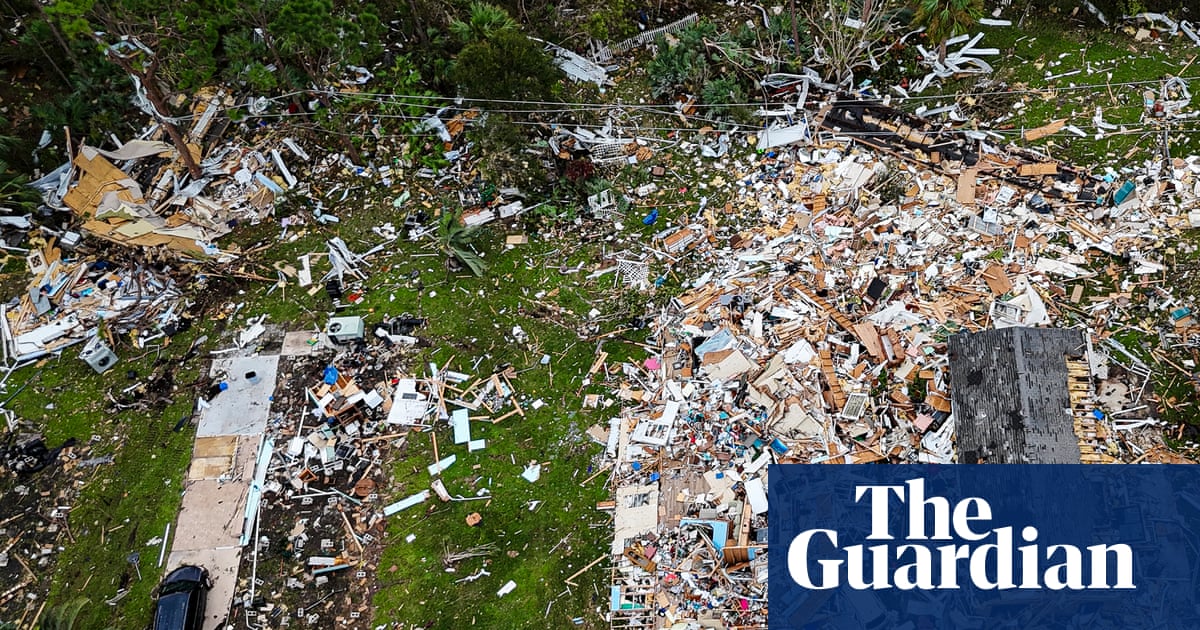
Hurricane Melissa’s destruction in Jamaica highlights a growing global reality: climate risks are accelerating faster than insurance adoption. With more than 90% of disaster losses in developing regions going uninsured and a worldwide protection gap exceeding $1.8 trillion annually, experts warn that traditional insurance systems can no longer keep up. New models—like parametric payouts, community‑based aggregation and bundled climate tools—are emerging, but governments and corporations must step in to prevent financial shocks from destabilizing entire economies.
Gravis Robotics, a Zurich-based startup, just raised $23 million to bring autonomous tech to construction sites facing a massive operator shortage. As demand surges for renewable energy projects, data centers, and new housing, Gravis retrofits traditional heavy machinery with AI-driven systems that can work autonomously or via remote guidance. With trials already underway across seven countries, the company is pushing a future where humans and robots collaborate — speeding up development timelines and reshaping industries from construction to real estate.
Zillow has quietly removed its climate‑risk scores after months of pressure from agents, homeowners, and listing services who said the warnings were scaring off buyers. The move has sparked a national debate: Is this a win for real estate sales or a setback for consumer transparency? Critics warn that without clear climate‑risk data, families could be “flying blind” into costly surprises like insurance spikes and flood damage. As climate impacts intensify and disclosure expectations rise, real estate professionals must stay informed—because whether Zillow shows the data or not, the risks aren’t going anywhere.
Florida’s property insurance crisis is becoming the defining issue heading into the 2026 election season. Republicans argue that recent reforms are finally stabilizing the market, pointing to reduced litigation and cooling reinsurance costs. Democrats counter that families are still facing unbearable premiums, with condo prices dropping over 8% and Floridians paying some of the highest insurance rates in the nation. As lawmakers prepare to return to Tallahassee, the future of insurance reform is set to become the central political fight—one that will directly impact homeowners, investors, and real estate professionals across the state.
Connectivity has become one of the most powerful differentiators in today’s real estate market. As smart buildings, automation, and sustainability demands accelerate, fiber networks are replacing outdated copper systems and reshaping property value. With lower energy use, unified smart‑building capabilities, reduced long‑term costs, and stronger tenant satisfaction, digital infrastructure is now central to investment strategy. Real estate professionals who understand this shift gain a competitive edge as the industry moves toward cleaner, smarter, more connected buildings.