Long Island’s Latest Commercial Moves: From Pizza Huts to Auto Parts Warehouses
Long Island’s commercial real estate market is kicking off 2026 with an impressive wave of activity, stretching from Medford to Franklin Square and beyond. Industrial leases, retail acquisitions, and mixed-use purchases all highlight neighborhoods that continue to evolve and adapt to today’s business needs. Each new deal adds to the island’s story—one of resilience, opportunity, and constant reinvention.
These transactions, originally reported by Long Island Business News, show a market that is anything but slow. Whether you’re a real estate student, a seasoned agent, an investor, or exploring a new professional path, staying informed about regional shifts like these is invaluable.
Industrial Momentum in Medford
At 22 Industrial Blvd. in Medford, Facema New York Inc. has secured 3,000 square feet of industrial space. The deal was handled by Michael Zere of Zere Real Estate Services—representing both tenant and landlord, TDS Realty Inc. Industrial demand across Suffolk County continues to mirror national trends in logistics growth and supply chain repositioning.
Neighborhood Retail Thrives in Bohemia
A fully occupied, seven-store retail strip at 1087–1099 Smithtown Ave. sold for $1.82 million. With a cap rate of 7.3% and a diverse group of tenants, this deal highlights the strength of community-based retail. Petrakis Properties secured the property with representation by Adam Silber, while Abraham Adjmi represented the seller.
Pizza Hut’s New Wave in Centereach
ARF Group has leased a 2,500-square-foot space at 1707 Middle Country Road to continue rolling out Pizza Hut’s modern DELCO concept—delivery and carryout only. This is part of a broader shift toward compact, efficiency-driven restaurant models. Tenant representation was led by Rachel Butiu, and landlord representation by Peter Dilis of MVC Properties.
Mixed-Use Movement in Melville
Meinergy LLC purchased a two-story mixed-use property at 707 Walt Whitman Road for $1.125 million. With first-floor retail and vacant office space above, the building presents strong repositioning potential. Buyer representation came from Viola Deng, with Scout Realty Group representing the seller.
Patchogue Welcomes an Auto Expansion
A 10,000-square-foot building at 611 Sunrise Highway sold for $2.85 million and will soon serve as an auto parts warehouse. The structure, once home to Harrow’s and later an irrigation supplier, continues its evolution with buyer and seller represented by Jason Merrell of Island Associates Real Estate.
Bank-Leased Properties Draw Investors
Hermes Management LLC acquired Citizens Bank–occupied properties in Franklin Square and West Caldwell, N.J., totaling $7.25 million. With cap rates between 5 and 5.28 percent, these stable net-leased assets show continued investor confidence in bank-anchored real estate. Dylan Silber represented the seller in both deals.
Friendly’s Holds Ground in East Islip
A 3,000-square-foot East Islip Friendly’s—one of only nine remaining on Long Island—has sold for $1.8 million. The property features a triple net lease lasting until 2037, with renewal options intact. Both buyer and seller were represented by Dylan Silber.
What This Means for Professionals
From industrial reshuffling to resilient retail and franchise-backed stability, Long Island’s commercial landscape is rich with opportunity. Whether you’re analyzing investment trends or learning the market as part of your educational journey, these shifts offer valuable insight.
If you’re exploring a real estate license, upgrading your credentials, or expanding into investment knowledge, Cameron Academy offers flexible, career-focused education for professionals across Florida and all 50 states. Your growth is our specialty.
To view the original report and explore even more regional insights, visit
Long Island Business News.
More Articles
Getting licensed or staying ahead in your career can be a journey—but it doesn’t have to be overwhelming. Grab your favorite coffee or tea, take a moment to relax, and browse through our articles. Whether you’re just starting out or renewing your expertise, we’ve got tips, insights, and advice to keep you moving forward. Here’s to your success—one sip and one step at a time!
Los Alamitos Race Course is facing its most serious crisis in years after 18 horses died in 2025, prompting regulators to warn the track that its racing license is at risk without immediate safety reforms. Following three catastrophic injuries in a single day, the California Horse Racing Board has ordered urgent changes—including more veterinarians, stricter medication rules, and enhanced on‑track medical support—as pressure mounts for stronger oversight in a sport already under national scrutiny.
Canadian investors have poured more than US$5.8 billion into U.S. commercial real estate this year, making the U.S. their top destination even amid a lingering tariff dispute. Tight inventory in Canada and greater deal availability south of the border are driving the trend, with data centers and industrial properties emerging as the hottest targets for 2025.
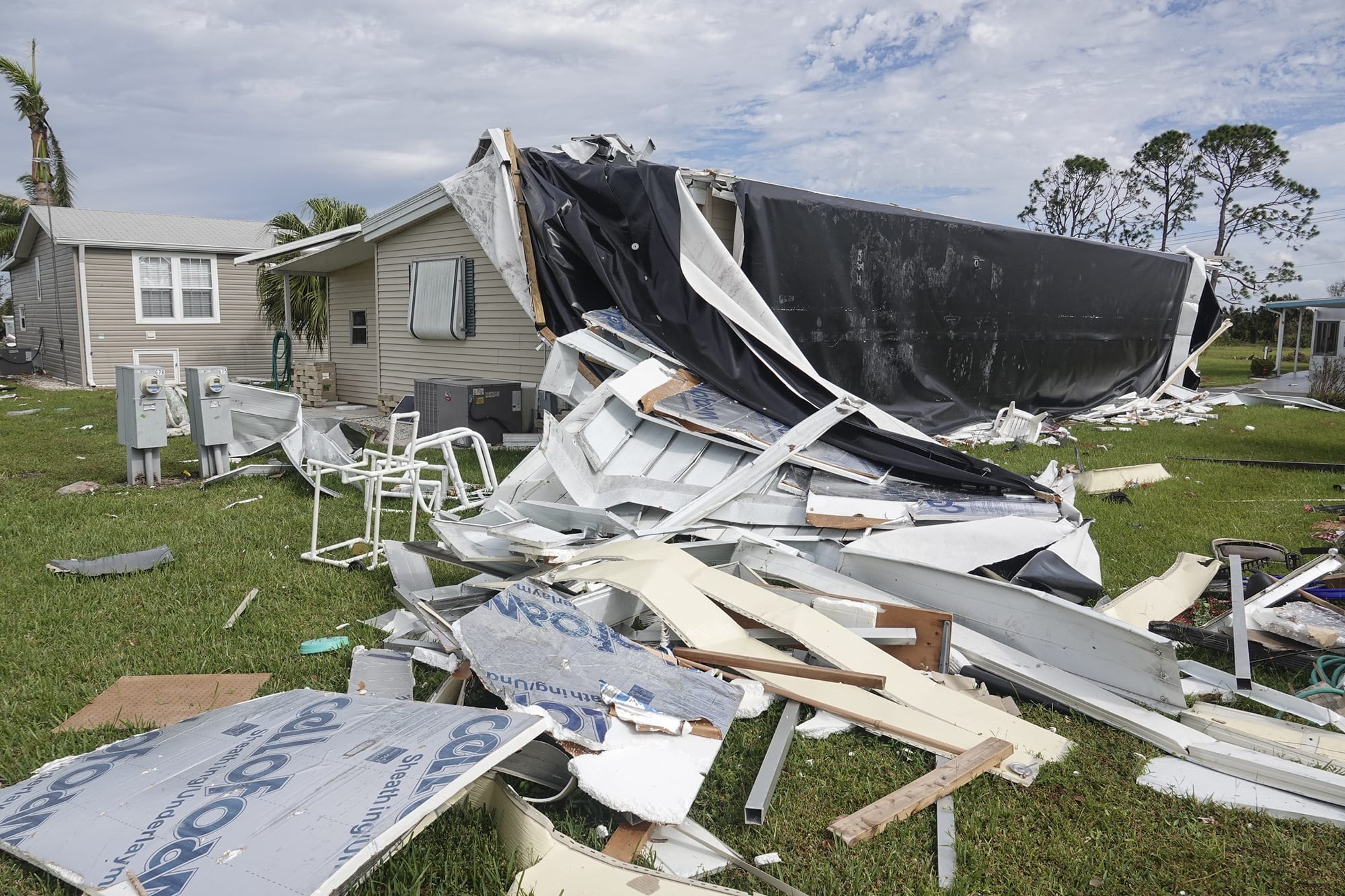
Florida’s insurance commissioner says even industry pros struggle to read today’s 150‑page homeowners policies—leaving residents shocked when hurricane claims are denied. With rising premiums, high replacement costs, and widespread confusion over exclusions like flood and water damage, the state is pushing for simpler, clearer policy language so homeowners know what they’re actually covered for before the next storm hits.
Following the 2025 elections, major metros like New York, Chicago, Miami, Los Angeles, and Boston are implementing policy shifts that could reshape property values, rental income, development timelines, and investment strategy heading into 2026. From New York’s push toward aggressive rent reform to Chicago’s sustainability mandates and Miami’s uncertain mayoral runoff, these changes signal a new era where local politics increasingly dictate market performance. This breakdown highlights the biggest post‑election real estate pivots and what they mean for investors, agents, and finance professionals preparing for a rapidly evolving landscape.
Florida’s Insurance Commissioner is sounding the alarm after thousands of homeowners discovered—only after hurricanes Helene and Milton—that the coverage they thought they had didn’t exist. With nearly 150,000 unpaid claims tied to misunderstood flood exclusions, water‑damage caps, and buried policy clauses, state leaders are pushing to simplify the dense, confusing documents most Floridians never read. As insurance costs remain one of the state’s top concerns, this growing complexity is creating a massive opportunity for real estate, mortgage, and insurance professionals to guide consumers before disaster strikes.
Florida’s insurance market is reliving an old crisis under a new name. Despite reforms meant to stabilize the system, homeowners are being forced out of Citizens and into pricier policies from small insurers with shaky financial histories. Companies tied to past insolvencies are returning with fresh branding, while highly rated carriers continue to deny a majority of claims. With political influence muddying regulation and climate risks rising, experts warn that only a full structural overhaul—not cosmetic reforms—can restore confidence for homeowners, agents, and the entire real estate market.