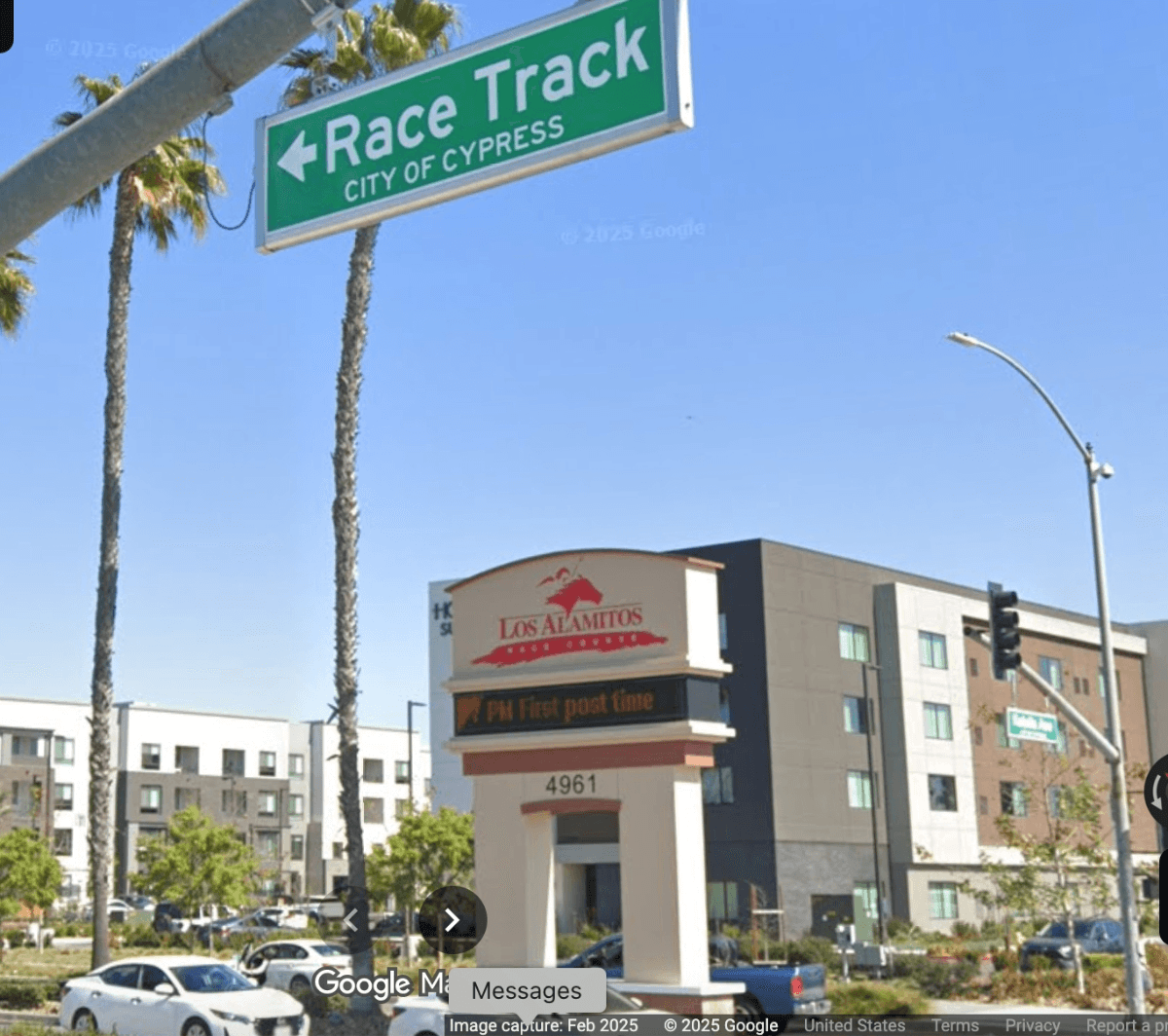
Los Alamitos Faces a Crucial Moment After 18 Racehorse Deaths This Year
In a troubling year for California racing, Los Alamitos Race Course is under fierce scrutiny after 18 horses died or were euthanized in 2025—three of them on a single Sunday. Following these heartbreaking losses, the California Horse Racing Board (CHRB) has issued a serious ultimatum: enact safety reforms immediately or face the potential loss of the track’s racing license.
According to CHRB officials, all three horses who died on Sunday—Backside Ace, Champions Run, and B Ratifyed—suffered catastrophic racing injuries. Required postmortem examinations are underway to determine the exact causes.
Regulators Step In
The CHRB sent a letter to Los Alamitos leadership expressing significant concern regarding the track’s safety record. Executive Director Scott Chaney noted that an emergency meeting may be called under CHRB Rule 1435—giving the board the authority to suspend racing entirely if immediate improvements are not implemented.
The reforms are not optional. Track management responded by pledging full cooperation, stating that safety has always been a priority but will now be treated with “even greater urgency.” Weekly meetings with regulators and medical directors are already scheduled.
See the Minimum Required Reforms
• Add an additional regulatory veterinarian for morning examinations.
• Ensure a private veterinarian is present nightly during racing.
• Utilize a second equine ambulance during race events.
• Further restrict IA injections near racing and workouts.
• Attend weekly safety and regulatory meetings with CHRB staff.
A Troubling Pattern Over Multiple Years
This year’s fatalities mirror last year’s total, when 18 horses died from racing or training injuries in 2024. Los Alamitos was even placed on probation in 2020 after a similar spike in deaths. Although reforms were implemented, advocates argue they have not yet gone far enough.
Martha Sullivan of Kill Racing Not Horses delivered a sharp critique, stating that “no legitimate sport would tolerate the deaths of 60 of its athletes in 46 weeks in just one state.”
A Wider Conversation About Safety and Regulation
The scrutiny surrounding Los Alamitos reflects a broader movement in regulated industries: greater transparency, enhanced oversight, and stricter safety protocols. Professionals in fields such as real estate, insurance, healthcare, and finance know well that compliance isn’t optional—it’s fundamental.
At Cameron Academy, we train thousands of professionals nationwide to understand licensing, compliance, and ethical practice. Whether you’re entering real estate, renewing a license, or transitioning into a new professional field, staying educated remains the key to protecting the public and elevating your career.
Getting licensed or staying ahead in your career can be a journey—but it doesn’t have to be overwhelming. Grab your favorite coffee or tea, take a moment to relax, and browse through our articles. Whether you’re just starting out or renewing your expertise, we’ve got tips, insights, and advice to keep you moving forward. Here’s to your success—one sip and one step at a time!
Florida’s insurance market is under intense pressure as millions of residents and trillions in property wealth cluster along hurricane‑vulnerable coastlines. This article breaks down how decades of growth in high‑risk zones created today’s crisis, why traditional pricing models can’t keep up, and what real estate and insurance professionals must do to stay ahead. It offers actionable insights on underwriting, risk communication, policy partnerships, and resilience planning—critical knowledge for anyone advising Florida homeowners or navigating the state’s evolving insurance landscape.
Florida’s homeowners insurance market may have stabilized, but not in the way residents hoped. After years of runaway increases, premiums have stopped spiking—but they’re holding at painfully high levels. Coastal properties remain the hardest hit, with some policies topping $15,000 a year, while insurers continue demanding costly upgrades and resisting calls for transparency. For real estate professionals, understanding these pricing pressures is becoming essential as insurance costs increasingly shape buyer decisions across the state.
Florida homeowners face soaring premiums, shrinking insurer options, and storms that grow stronger each year. This article breaks down what hurricane insurance actually covers, how deductibles really work, why flood insurance is essential, and what professionals in real estate, mortgage, and insurance must understand to protect clients and properties before the next major storm hits.
Teresa King Kinney, one of the most influential executives in modern real estate, is retiring after 33 years as CEO of the MIAMI Association of Realtors. Under her leadership, the organization grew from 5,000 members to 60,000, became a global real estate powerhouse, and built the nation’s largest association‑owned MLS. As she transitions into CEO Emeritus, MIAMI prepares for a new era shaped by the foundation she spent decades building.
Miami’s commercial property market is heating up again, posting an 11% jump in investment volume for 2025. The surge is driven largely by a revitalized retail sector fueled by population growth, strong tourism, and new mixed‑use development. While office and industrial activity remains steady but softer, investor confidence is returning as Miami’s CRE landscape matures and buyers re‑enter the market with renewed interest in high‑traffic retail opportunities.
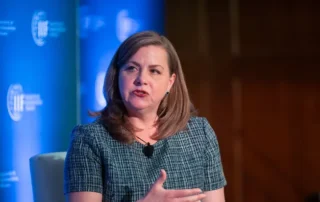
The Federal Reserve is preparing major changes to mortgage regulations in an effort to pull more mortgage activity back into the banking sector. With banks losing significant market share to nonbank lenders over the past decade, Fed Vice Chair for Supervision Michelle Bowman says new proposals may ease capital requirements and make mortgage servicing more attractive for banks. These shifts could have wide‑ranging effects on real estate professionals, lenders, and borrowers as the balance of power in the mortgage market begins to shift once again.