Los Alamitos Faces a Crucial Moment After 18 Racehorse Deaths This Year
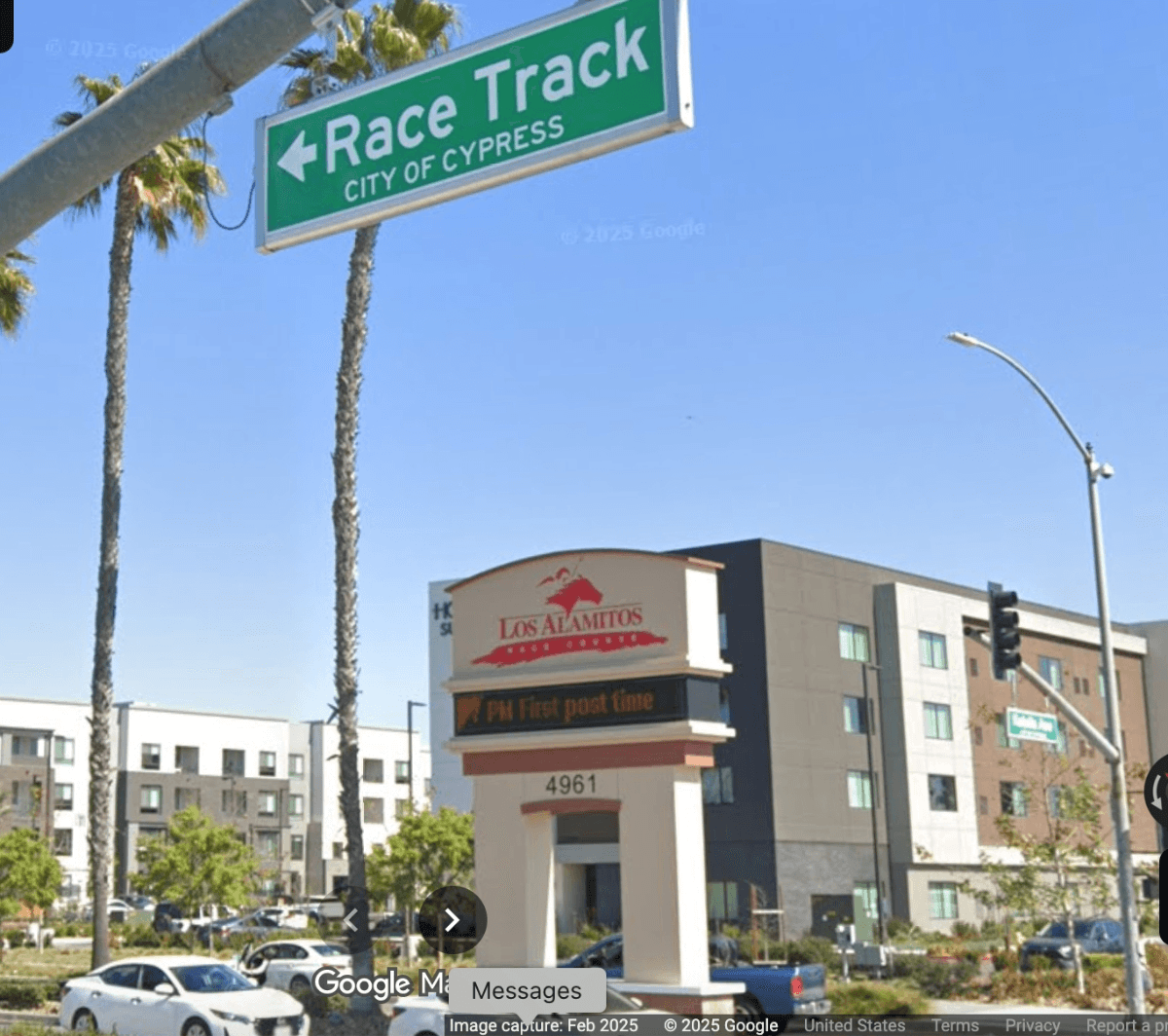
In a troubling year for California racing, Los Alamitos Race Course is under fierce scrutiny after 18 horses died or were euthanized in 2025—three of them on a single Sunday. Following these heartbreaking losses, the California Horse Racing Board (CHRB) has issued a serious ultimatum: enact safety reforms immediately or face the potential loss of the track’s racing license.
According to CHRB officials, all three horses who died on Sunday—Backside Ace, Champions Run, and B Ratifyed—suffered catastrophic racing injuries. Required postmortem examinations are underway to determine the exact causes.
Regulators Step In
The CHRB sent a letter to Los Alamitos leadership expressing significant concern regarding the track’s safety record. Executive Director Scott Chaney noted that an emergency meeting may be called under CHRB Rule 1435—giving the board the authority to suspend racing entirely if immediate improvements are not implemented.
The reforms are not optional. Track management responded by pledging full cooperation, stating that safety has always been a priority but will now be treated with “even greater urgency.” Weekly meetings with regulators and medical directors are already scheduled.
See the Minimum Required Reforms
• Add an additional regulatory veterinarian for morning examinations.
• Ensure a private veterinarian is present nightly during racing.
• Utilize a second equine ambulance during race events.
• Further restrict IA injections near racing and workouts.
• Attend weekly safety and regulatory meetings with CHRB staff.
A Troubling Pattern Over Multiple Years
This year’s fatalities mirror last year’s total, when 18 horses died from racing or training injuries in 2024. Los Alamitos was even placed on probation in 2020 after a similar spike in deaths. Although reforms were implemented, advocates argue they have not yet gone far enough.
Martha Sullivan of Kill Racing Not Horses delivered a sharp critique, stating that “no legitimate sport would tolerate the deaths of 60 of its athletes in 46 weeks in just one state.”
A Wider Conversation About Safety and Regulation
The scrutiny surrounding Los Alamitos reflects a broader movement in regulated industries: greater transparency, enhanced oversight, and stricter safety protocols. Professionals in fields such as real estate, insurance, healthcare, and finance know well that compliance isn’t optional—it’s fundamental.
At Cameron Academy, we train thousands of professionals nationwide to understand licensing, compliance, and ethical practice. Whether you’re entering real estate, renewing a license, or transitioning into a new professional field, staying educated remains the key to protecting the public and elevating your career.
Getting licensed or staying ahead in your career can be a journey—but it doesn’t have to be overwhelming. Grab your favorite coffee or tea, take a moment to relax, and browse through our articles. Whether you’re just starting out or renewing your expertise, we’ve got tips, insights, and advice to keep you moving forward. Here’s to your success—one sip and one step at a time!
After years of sluggish commercial real estate performance, falling interest rates may finally set the stage for a market rebound. As the Federal Reserve signals further cuts, investors are eyeing REITs—and especially the Direxion Real Estate Bull 3X ETF (DRN), a leveraged fund designed to triple the daily movement of major commercial real estate stocks. DRN offers powerful upside potential during a rally, but its high‑risk, short‑term nature means it’s best suited for experienced traders who understand volatility and the mechanics of leverage.
A new proposal in Florida’s legislature could reshape the path to homeownership for working residents. House Bill 311, championed by State Rep. Jervonte Edmonds, would require certain private employers to contribute up to $5,000 toward their first-time homebuyer employees’ down payments or closing costs. Backed by bipartisan support, the bill ties employer tax write-offs directly to helping workers purchase homes, marking a unique approach to housing affordability. Now moving through committee, HB 311 could become one of the nation’s most innovative employer-assisted housing programs.
Artificial intelligence is pushing the real estate industry to confront a long‑standing problem: its data is fragmented, inconsistent, and nearly impossible for AI systems to interpret. From leases and rent rolls to county records and work orders, nothing is standardized, making AI adoption costly and inefficient. Industry leaders are now turning toward shared data standards and ontologies—like OSCRE’s “smart data highway”—to create cleaner, interoperable information systems. As real estate evolves, professionals who understand data and AI will have a major advantage, and schools like Cameron Academy are helping prepare them for this shift.
The U.S. housing market stumbled into 2026 as January home sales tumbled 8.4% from December, hitting their lowest pace in over a year. With inventory still tight, prices rising, and market activity stagnating, NAR’s chief economist warns that Americans—especially renters—are “stuck” in a new kind of housing crisis. Despite improving affordability on paper, sluggish movement and regional declines signal a market demanding sharper strategy and adaptability from today’s real estate professionals.
A fresh 2026 analysis reveals the top home insurance companies in the U.S., breaking down which carriers offer the best value, coverage options, and customer satisfaction. State Farm leads for customer experience, American Family shines for first-time buyers, and Allstate, Farmers, and Nationwide each earn top marks in specialized categories. With Florida’s premiums surging to more than double the national average, industry pros and homeowners alike gain a clear advantage by understanding which insurers remain strong—especially as weather risks, insurer withdrawals, and rising reconstruction costs reshape the market.
A new Perryman Group analysis shows Florida’s 2022–2023 insurance reforms are paying off, lowering property‑casualty costs by 14.5% and generating more than $4.2 billion in economic activity. With over 29,000 jobs created and premium increases nearly flat in 2025, the state’s long‑troubled insurance market is finally stabilizing as major carriers reduce rates and return to the market.