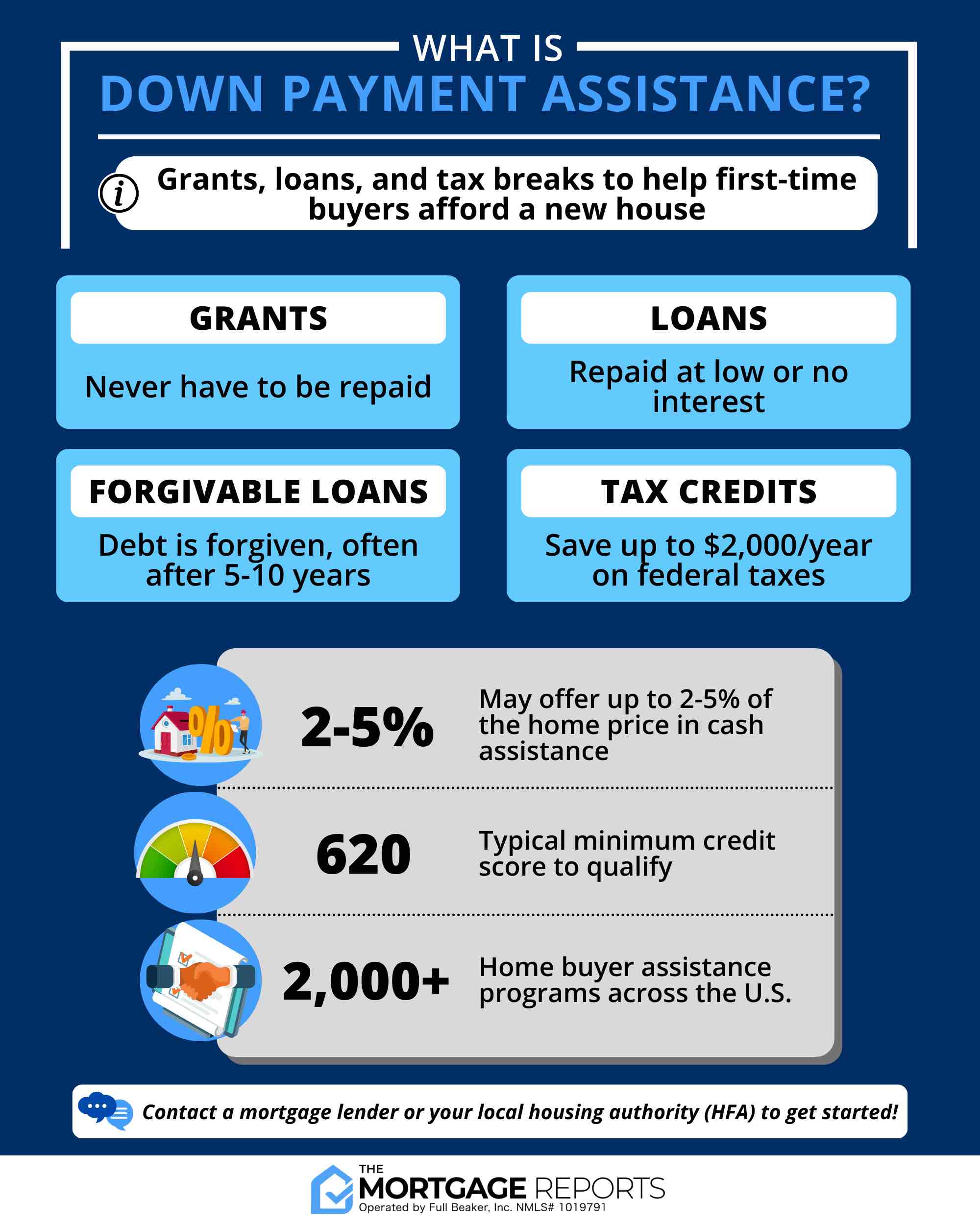
In a world where the dream of owning a home often feels out of reach, down payment assistance (DPA) programs have emerged as a beacon of hope for aspiring homeowners. With over 2,000 programs available nationwide, these initiatives are designed to make homeownership more accessible by alleviating the financial burden of upfront costs. State, county, and city governments across the United States are spearheading these efforts, offering a variety of loans and grants that can cover part or all of a home buyer’s down payment and closing costs.
Understanding Down Payment Assistance
Down payment assistance is available in multiple forms, including grants and loans, some of which may be interest-free or forgivable over time. These programs are particularly beneficial for first-time homebuyers or those who haven’t owned a home in the past three years. To qualify, individuals typically need to meet certain income requirements and, in some cases, purchase properties in designated areas.
Eligibility and Application
Eligibility criteria for DPA programs often include being a first-time homebuyer and meeting income qualifications. Programs may also require purchasing within specific price limits or using approved mortgage programs. The original article from The Mortgage Reports provides a comprehensive guide to these programs, emphasizing the importance of consulting with local loan officers or brokers who can offer insights into regional grants and loans.
Exploring Resources
For those eager to explore their options, the article encourages potential homebuyers to leverage resources like the U.S. Department of Housing and Urban Development (HUD), which lists various statewide and local assistance programs. Additionally, aspiring homeowners can benefit from understanding the intricacies of securing down payment assistance, as outlined in the article, to confidently navigate their path to homeownership.
Conclusion
In essence, down payment assistance programs serve as a crucial tool for those looking to overcome the financial barriers to homeownership. By providing financial support and reducing upfront costs, these initiatives are paving the way for more individuals to achieve their dream of owning a home. For further details, readers are encouraged to visit the original article and explore additional resources such as the guide on buying a house with $0 down and the guide to mortgage closing costs.
More Articles
Getting licensed or staying ahead in your career can be a journey—but it doesn’t have to be overwhelming. Grab your favorite coffee or tea, take a moment to relax, and browse through our articles. Whether you’re just starting out or renewing your expertise, we’ve got tips, insights, and advice to keep you moving forward. Here’s to your success—one sip and one step at a time!
Palm Beach protests erupted as intensified immigration enforcement reached the heart of Trump’s hometown, while millions in Florida brace for rising health care costs as key subsidies near expiration. At the same time, state regulators boldly declare the long‑running property insurance crisis “over,” leaving homeowners and industry professionals questioning whether true stability has finally returned.
As 2025 comes to a close, the real estate industry is shifting from uncertainty to strategic expansion. According to DWS’s Year-End 2025 Outlook, property values are stabilizing after years of repricing, capital is concentrating on high-quality assets, and Sunbelt markets—especially Florida—continue to outperform. With technology enhancing rather than replacing professional expertise, 2026 is shaping up to reward professionals who stay informed, skilled, and strategically positioned for the next cycle.
Texas capital is pouring into San Francisco’s long‑struggling commercial real estate market, with Lone Star investors buying up discounted Union Square buildings and signaling what many experts believe is the city’s market bottom. As office activity and confidence begin to return, buyers from across the country are joining the rush, turning SF’s post‑pandemic slump into one of the nation’s hottest bargain opportunities.
With 2026 HousingWire Tech100 nominations closing on December 19, the housing tech sector is accelerating at full speed. AI‑powered data platforms, digital closing breakthroughs, embedded insurance growth, and next‑generation servicing automation are reshaping real estate, mortgage, insurance, and finance. From ATTOM’s AI‑ready property intelligence to Hapi Homes’ Martha Stewart design revival, Obie’s nationwide expansion, Outamation’s servicing automation, and ServiceLink’s next‑level borrower scheduling, this year’s standout innovators are defining the future of the housing economy.
Space Investment Partners has acquired the 123,402‑square‑foot Topanga Gateway retail center in Woodland Hills for $64 million, marking another significant move in the firm’s expanding grocery‑anchored investment strategy. Located at a high‑visibility intersection and 97% occupied at the time of sale, the property strengthens the company’s push toward $500 million to $1 billion in retail acquisitions for 2026, underscoring continued investor confidence in necessity‑based retail assets.
After the Federal Reserve’s final 2025 rate cut on December 10, mortgage markets are recalibrating, giving buyers and homeowners a glimmer of relief. Rates remain lower than earlier in the year, with 30-year fixed loans at 6.12% and refinances dipping as well. This shift may spark renewed activity for buyers, refinancers, and real estate professionals heading into 2026.