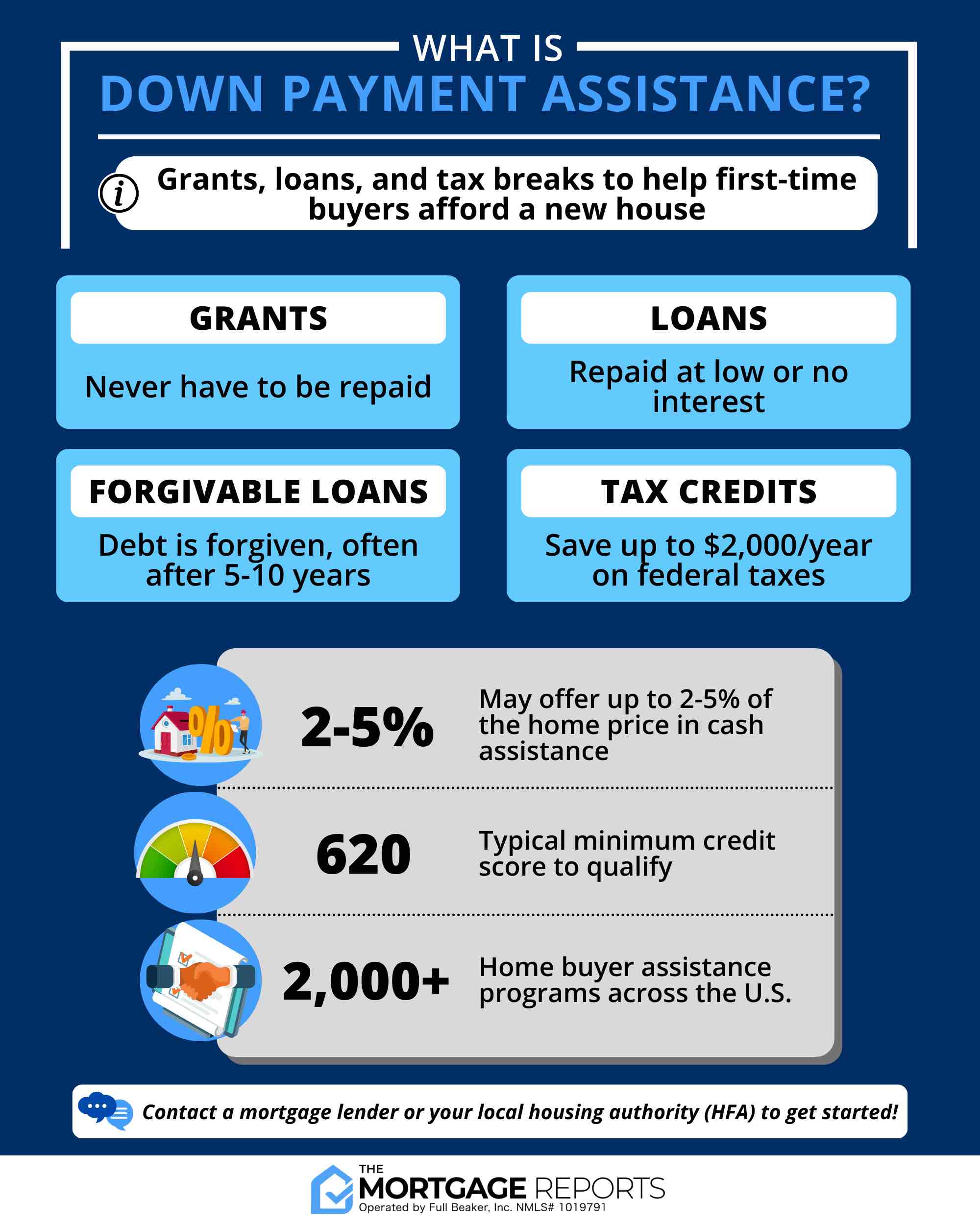
In a world where the dream of owning a home often feels out of reach, down payment assistance (DPA) programs have emerged as a beacon of hope for aspiring homeowners. With over 2,000 programs available nationwide, these initiatives are designed to make homeownership more accessible by alleviating the financial burden of upfront costs. State, county, and city governments across the United States are spearheading these efforts, offering a variety of loans and grants that can cover part or all of a home buyer’s down payment and closing costs.
Understanding Down Payment Assistance
Down payment assistance is available in multiple forms, including grants and loans, some of which may be interest-free or forgivable over time. These programs are particularly beneficial for first-time homebuyers or those who haven’t owned a home in the past three years. To qualify, individuals typically need to meet certain income requirements and, in some cases, purchase properties in designated areas.
Eligibility and Application
Eligibility criteria for DPA programs often include being a first-time homebuyer and meeting income qualifications. Programs may also require purchasing within specific price limits or using approved mortgage programs. The original article from The Mortgage Reports provides a comprehensive guide to these programs, emphasizing the importance of consulting with local loan officers or brokers who can offer insights into regional grants and loans.
Exploring Resources
For those eager to explore their options, the article encourages potential homebuyers to leverage resources like the U.S. Department of Housing and Urban Development (HUD), which lists various statewide and local assistance programs. Additionally, aspiring homeowners can benefit from understanding the intricacies of securing down payment assistance, as outlined in the article, to confidently navigate their path to homeownership.
Conclusion
In essence, down payment assistance programs serve as a crucial tool for those looking to overcome the financial barriers to homeownership. By providing financial support and reducing upfront costs, these initiatives are paving the way for more individuals to achieve their dream of owning a home. For further details, readers are encouraged to visit the original article and explore additional resources such as the guide on buying a house with $0 down and the guide to mortgage closing costs.
More Articles
Getting licensed or staying ahead in your career can be a journey—but it doesn’t have to be overwhelming. Grab your favorite coffee or tea, take a moment to relax, and browse through our articles. Whether you’re just starting out or renewing your expertise, we’ve got tips, insights, and advice to keep you moving forward. Here’s to your success—one sip and one step at a time!
Artificial intelligence has shifted from a novelty to a defining force in real estate, transforming everything from listing creation to virtual staging while raising new legal and ethical risks. As AI adoption accelerates, experts warn that the agents who embrace automation and new tools now will gain a major competitive edge, while those who delay could fall behind in a rapidly evolving industry.
As AI and automation reshape the workforce, one form of career protection remains as powerful as ever: earning a state license. From real estate to trades to finance, licensed professionals stay in high demand because their work requires proven competence, accountability and human judgment—qualities technology can enhance but never replace. With trade enrollment surging, investor interest growing and licensing on the rise across the country, credentials have become a reliable path to stability, mobility and long-term earning potential.
A new wave of AI platforms is redefining how real estate agents identify buyer intent, spark conversations, and nurture relationships. From conversational home search engines to predictive opportunity alerts and relationship‑intelligence systems, these tools are helping agents connect sooner and smarter—reshaping daily workflows as the 2026 market approaches.
Texas money is riding hard into San Francisco, snapping up distressed downtown buildings at prices not seen in decades. From Union Square to California Street, major players like Lone Star Funds are betting big on the city’s rebound, signaling that the market may have finally hit bottom and that a new wave of opportunity is taking shape for savvy real estate professionals nationwide.
The 2025 holiday season is expected to break the $1 trillion sales mark, but economists say the milestone masks deeper consumer caution, income‑driven spending gaps, and weakening unit sales. Urban Land Magazine’s latest analysis shows how these mixed signals are shaping a selective, uneven landscape for U.S. commercial real estate heading into 2026—where strong locations thrive, weaker assets struggle, and affluent shoppers continue to dictate market performance.
As 2025 ends, the housing market is inching toward balance with slower price growth, rising inventory, and steadier mortgage rates. Experts predict modest 1% to 2% home‑price growth in 2026—not a crash, but a calmer, more predictable market shaped by regional differences. With the Fed easing rates and inventory climbing in key cities, 2026 may become the most buyer‑friendly year in recent memory, especially for those prepared to act when the right home appears.