Massachusetts lawmakers are banking on accessory dwelling units (ADUs) to help tackle the state’s housing crisis, one in-law suite at a time. The recently signed Affordable Homes Act paves the way for these secondary dwellings statewide, potentially easing housing shortages. However, the clock is ticking for cities and towns to amend their zoning bylaws to align with the new state law by February 2.
In Berkshire County, only three of the 21 towns with ADU bylaws currently comply with the new legislation. The remaining municipalities face a daunting task of revising their zoning laws, a process fraught with questions and ambiguities yet to be clarified by the state. Cornelius Hoss, a community planner, notes the challenge, especially for volunteer planning boards with limited resources.
Despite the state law superseding local bylaws, failure to amend them could hinder towns’ abilities to regulate ADU construction and rental. Hoss emphasizes the importance of implementing “reasonable” restrictions, such as additional size limitations or site plan reviews.
Understanding ADUs
ADUs, also known as “granny flats” or “in-law apartments,” are secondary dwellings with their own facilities on the same lot as a principal dwelling. Massachusetts Housing Secretary Ed Augustus describes them as “low-hanging fruit” for quick housing solutions.
The new law standardizes ADU definitions and restrictions, prohibiting special permits for single ADUs and limiting their size to half the gross floor area of the principal dwelling or 900 square feet, whichever is smaller. Only Great Barrington, Williamstown, and Lanesborough currently meet these criteria.
Incentives for Amendment
While towns are not obligated to amend their bylaws, doing so allows them to tailor restrictions, such as short-term rental limitations, to local needs. Alexandria Glover, a civil litigator, warns that failing to update bylaws could lead to confusion and outdated regulations.
Lenox, for instance, plans to amend its zoning bylaw by May, removing the special permit requirement and adjusting size limitations. However, the town grapples with concerns over short-term rentals and absentee landlords.
Waiting and Watching
Some towns, like Florida, are adopting a “wait and see” approach, allowing the state law to take effect without immediate local amendments. This strategy buys time to gauge community opinion and receive further guidance from the state.
As municipalities across Berkshire County navigate these changes, they share a sense of urgency and anticipation. The original article from The Berkshire Eagle highlights the complexities and opportunities presented by the Affordable Homes Act, prompting a reevaluation of housing strategies in the region.
More Articles
Getting licensed or staying ahead in your career can be a journey—but it doesn’t have to be overwhelming. Grab your favorite coffee or tea, take a moment to relax, and browse through our articles. Whether you’re just starting out or renewing your expertise, we’ve got tips, insights, and advice to keep you moving forward. Here’s to your success—one sip and one step at a time!
Florida families are feeling the squeeze as everyday costs, insurance premiums, and homeownership barriers continue to climb. House District 102 candidate Jayden D’Onofrio is calling for a broader, more unified affordability strategy—one that tackles the state’s insurance crisis, supports first‑time homebuyers, and restores real competition in the market. His message centers on transparency, practical solutions, and keeping Florida livable for the professionals, workers, and families who power its economy.
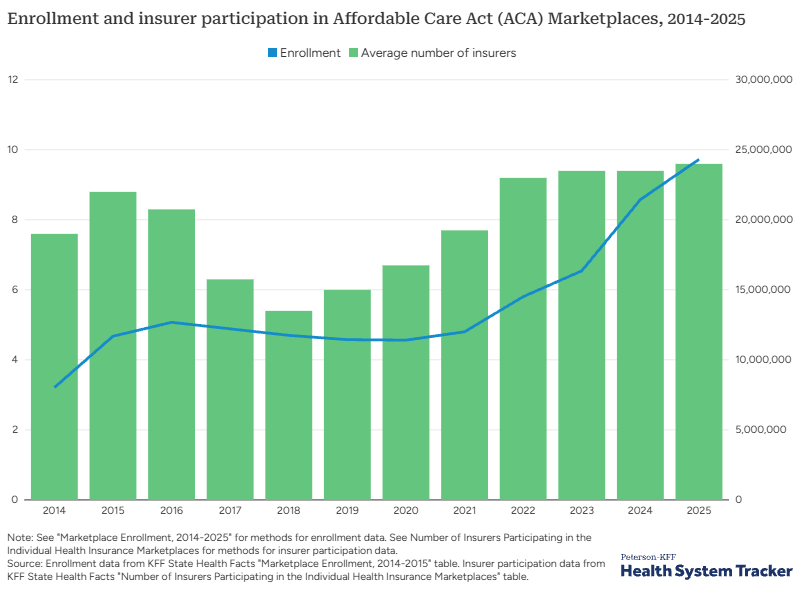
A decade of dramatic change is reshaping America’s health insurance markets. Employer group plans are becoming increasingly dominated by a few powerful insurers, while the ACA individual marketplace is experiencing record‑breaking competition and enrollment. Self‑funded plans are surging, small‑group premiums are driving employers to new coverage models, and major policy shifts in 2025 could redefine affordability for millions. This data‑driven Peterson‑KFF analysis breaks down the trends every insurance, finance, and business professional needs to understand as the industry enters a transformative new era.
Sarasota County is inching closer to approving Winchester Ranch, a massive 8,999‑home community planned for more than 3,100 acres in North Port. With a 7‑1 vote from the Planning Commission and a final decision expected in early 2026, the project could become one of Southwest Florida’s largest developments in decades—bringing new housing, commercial space, and industry while raising fresh questions about growth, the environment, and the region’s rapidly evolving real estate market.
Lument Finance Trust has closed a major $663.8 million commercial real estate CLO, marking one of the standout CRE finance deals of 2025. The transaction, LMNT 2025-FL3, features a strong reinvestment period, non‑recourse and non‑mark‑to‑market financing, and a diversified pool of 32 loans tied to 49 properties nationwide. With J.P. Morgan leading the structuring and more than $585 million placed in investment‑grade securities, the deal highlights renewed stability in transitional CRE debt—making it a development real estate and finance professionals will want to watch closely.
Walmart has partnered with Alquist 3D to roll out the nation’s first large‑scale wave of 3D‑printed commercial buildings, signaling a major shift in how future retail and industrial spaces will be constructed. After completing an 8,000‑square‑foot 3D‑printed expansion in Tennessee—the largest of its kind—the company is moving forward with over a dozen new projects nationwide, accelerating a tech‑driven transformation in commercial real estate.
Citizens Property Insurance Corp. is recommending statewide rate reductions for 2026—the first proposed decrease in more than a decade. Most Citizens policyholders could see an average 11.5% drop, reflecting recent insurance‑market reforms that have stabilized Florida’s turbulent property sector. With hundreds of thousands of policies moving back to private insurers and state‑backed Citizens shrinking to record‑low enrollment, real estate and insurance professionals should prepare for how lower premiums may influence affordability, buyer confidence, and market activity heading into 2026.