In the bustling real estate market of New York City, first impressions are paramount, especially when selling a co-op or condo. As potential buyers navigate through both new condos and resales, sellers must ensure their property stands out, styled to compete with brand-new apartments. This is where the art of staging comes into play, transforming spaces to highlight their full potential and appeal to discerning buyers.

Brokers and stagers often enlist the expertise of professional photographers to capture the right angles and lighting, crucial in a city where condo developers create pristine model apartments. Michael J. Franco, a broker at Compass, emphasizes the importance of not letting a resale apartment appear lackluster. Daniela Schneider, founder of the staging company Quadra, likens staging to makeup, enhancing beauty while disguising flaws.

Whether hiring a staging pro or taking a DIY approach, certain pitfalls must be avoided. Here are some key points to consider:

  1. Not Painting the Space: A fresh coat of paint, preferably in one of the countless shades of white, can create a clean, fresh, and bright atmosphere. This is especially important given the “HGTV effect,” where buyers expect move-in-ready apartments.
  2. Installing Curtains Badly—or Not at All: Window treatments are crucial. Neutral curtains can add warmth and contrast, while improperly hung curtains can make a space feel smaller.
  3. Underestimating Lighting Fixtures: Lighting is the “jewelry of the space,” according to Schneider. Proper lighting can enhance intimacy and highlight focal points, contributing significantly to the overall ambiance.
  4. Leaving Personal Items on Display: Personal items can hinder a buyer’s ability to connect emotionally with the space. It’s essential to create a blank canvas for potential buyers to envision themselves living there.
  5. Going Too Wild with Patterns: Mismatched furniture and excessive patterns can confuse buyers. Keeping decor minimal and using color strategically can help maintain a calm and inviting atmosphere.
  6. Being Boring and Cookie-Cutter: While it’s important not to be overly eccentric, avoiding a generic, cookie-cutter look is crucial. Unique touches and calculated design risks can make a listing stand out.
  7. Ignoring Clutter: Decluttering is vital. An organized, airy space is more appealing and allows buyers to imagine their lives in the apartment.
  8. Letting the TV Dominate the Room: A large TV can detract from the room’s warmth and beauty. Consider incorporating it into a gallery wall or using creative staging techniques during open houses.
  9. Not Adding a Home Office: With remote work becoming the norm, showcasing a potential workspace is essential. A desk in the primary bedroom or other creative spaces can demonstrate functionality.
  10. Blocking Your Sightlines: Open floor plans can be challenging to navigate. Use furniture to delineate areas but avoid overcrowding, ensuring clear sightlines throughout the space.
  11. Crowding Your Space with Furniture: Large furniture can emphasize awkward layouts. Opt for smaller, sleeker pieces to maintain a bright and airy feel.
  12. Making Your Place Too Austere: While cleanliness is key, adding warmth through textures like fur throws and fresh flowers can make a space feel inviting.
  13. Foregoing Staging Entirely: Staging can be costly, but it’s a worthwhile investment. Even minimal staging can make a significant difference, as empty apartments often appear small and lack personality.
Staging is an art that balances creativity and strategy, aiming to make a property more inviting and exciting than others on the market. By avoiding these common mistakes, sellers can enhance their chances of securing a sale in the competitive NYC real estate landscape. For more insights and detailed tips, visit the original article on Brick Underground.

More Articles

Getting licensed or staying ahead in your career can be a journey—but it doesn’t have to be overwhelming. Grab your favorite coffee or tea, take a moment to relax, and browse through our articles. Whether you’re just starting out or renewing your expertise, we’ve got tips, insights, and advice to keep you moving forward. Here’s to your success—one sip and one step at a time!

Judge Blocks Class Status in Major Commission Lawsuit, Shaking Up the Real Estate Industry

A federal judge has denied class‑certification in the high‑stakes Batton commission lawsuit, delivering a temporary win for NAR and major brokerages while leaving the door open for plaintiffs to try again. With as much as $3.6 billion in potential damages on the line and nearly 80% of the proposed class now disqualified due to conflicts with earlier settlements, the case stands at a pivotal moment. Real estate professionals nationwide — especially in Florida — should watch closely, as the ruling could shape the future of buyer‑agent compensation.

Florida Homeowners Hit Hard by Skyrocketing Insurance Rates as Lawmakers Race Toward Reform

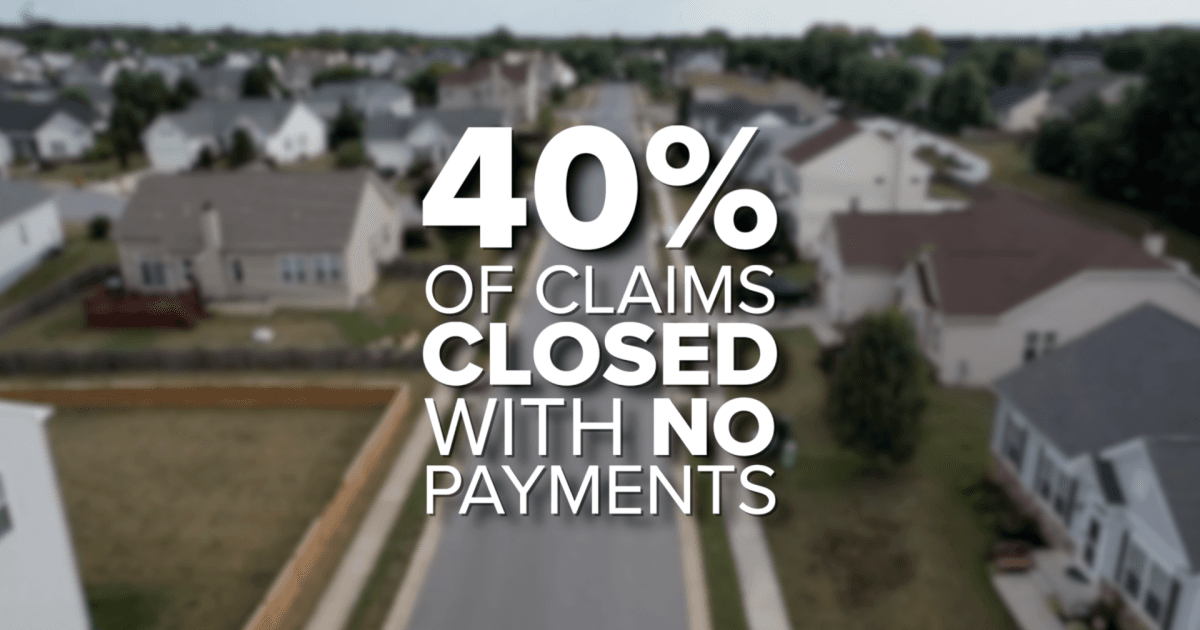
Florida homeowners are paying nearly double the national average for insurance, with premiums now reaching $5,838 a year and denied claims topping 40 percent. Residents report tripled rates, underpaid claims, and mounting financial strain, pushing lawmakers in Tallahassee to propose caps on rate hikes, tax breaks for storm‑proof upgrades, and tighter oversight of insurers. These developments are reshaping real estate and insurance conversations across the state as professionals brace for major industry shifts.

Inside Berkshire County’s Surging 2025 Real Estate Market: Q3 Deep Dive

Berkshire County closed Q3 2025 with strong momentum as sales, dollar volume, and buyer competition all climbed year‑over‑year. Inventory showed slight improvement but remains far below demand, keeping the market tilted toward sellers. Single‑family homes and condos led the surge, while multifamily, land, and commercial sectors showed mixed performance. The region continues to stand out as one of New England’s most resilient real estate markets heading into 2026.

Florida Homeowners Are Reaching a Breaking Point as Insurance Costs Skyrocket

Florida homeowners now face the highest insurance burdens in the nation, with average premiums topping $5,800 per year—roughly $3,000 above the national average. As rates triple for some residents, more Floridians are skipping coverage altogether, while denied claims and slow payouts add to the frustration. With over 40 percent of claims closing with no payment and lawmakers battling over reform in Tallahassee, the crisis is reshaping budgets, homebuying decisions, and the real estate industry statewide.

How Global Investors Are Rewriting the Real Estate Playbook for 2026

Global capital is surging back into real estate—and this time, investors want more control. Colliers’ 2026 Global Investor Outlook reveals a major shift toward direct investments, joint ventures, and hands‑on strategies as money moves across North America, Europe, and the booming Asia‑Pacific markets. Data centers are now the top‑funded asset class, offices are staging a comeback, and adaptive reuse is reshaping cities worldwide. For real estate and finance professionals, the message is clear: opportunity is accelerating, and those with the right education and licensing will be at the center of the action.

Why Lower Interest Rates Still Aren’t Saving Commercial Real Estate

The Fed’s recent rate cuts should have offered relief to commercial real estate—but long-term borrowing costs haven’t budged. While short‑term rates are falling, stubborn long‑term yields, broken deal math, and a trillion‑dollar refinancing wave are keeping the market frozen. For investors and professionals across Florida and the nation, understanding this disconnect is key to navigating the opportunities and risks emerging in today’s shifting CRE landscape.