In the bustling real estate market of New York City, first impressions are paramount, especially when selling a co-op or condo. As potential buyers navigate through both new condos and resales, sellers must ensure their property stands out, styled to compete with brand-new apartments. This is where the art of staging comes into play, transforming spaces to highlight their full potential and appeal to discerning buyers.

Brokers and stagers often enlist the expertise of professional photographers to capture the right angles and lighting, crucial in a city where condo developers create pristine model apartments. Michael J. Franco, a broker at Compass, emphasizes the importance of not letting a resale apartment appear lackluster. Daniela Schneider, founder of the staging company Quadra, likens staging to makeup, enhancing beauty while disguising flaws.

Whether hiring a staging pro or taking a DIY approach, certain pitfalls must be avoided. Here are some key points to consider:

  1. Not Painting the Space: A fresh coat of paint, preferably in one of the countless shades of white, can create a clean, fresh, and bright atmosphere. This is especially important given the “HGTV effect,” where buyers expect move-in-ready apartments.
  2. Installing Curtains Badly—or Not at All: Window treatments are crucial. Neutral curtains can add warmth and contrast, while improperly hung curtains can make a space feel smaller.
  3. Underestimating Lighting Fixtures: Lighting is the “jewelry of the space,” according to Schneider. Proper lighting can enhance intimacy and highlight focal points, contributing significantly to the overall ambiance.
  4. Leaving Personal Items on Display: Personal items can hinder a buyer’s ability to connect emotionally with the space. It’s essential to create a blank canvas for potential buyers to envision themselves living there.
  5. Going Too Wild with Patterns: Mismatched furniture and excessive patterns can confuse buyers. Keeping decor minimal and using color strategically can help maintain a calm and inviting atmosphere.
  6. Being Boring and Cookie-Cutter: While it’s important not to be overly eccentric, avoiding a generic, cookie-cutter look is crucial. Unique touches and calculated design risks can make a listing stand out.
  7. Ignoring Clutter: Decluttering is vital. An organized, airy space is more appealing and allows buyers to imagine their lives in the apartment.
  8. Letting the TV Dominate the Room: A large TV can detract from the room’s warmth and beauty. Consider incorporating it into a gallery wall or using creative staging techniques during open houses.
  9. Not Adding a Home Office: With remote work becoming the norm, showcasing a potential workspace is essential. A desk in the primary bedroom or other creative spaces can demonstrate functionality.
  10. Blocking Your Sightlines: Open floor plans can be challenging to navigate. Use furniture to delineate areas but avoid overcrowding, ensuring clear sightlines throughout the space.
  11. Crowding Your Space with Furniture: Large furniture can emphasize awkward layouts. Opt for smaller, sleeker pieces to maintain a bright and airy feel.
  12. Making Your Place Too Austere: While cleanliness is key, adding warmth through textures like fur throws and fresh flowers can make a space feel inviting.
  13. Foregoing Staging Entirely: Staging can be costly, but it’s a worthwhile investment. Even minimal staging can make a significant difference, as empty apartments often appear small and lack personality.
Staging is an art that balances creativity and strategy, aiming to make a property more inviting and exciting than others on the market. By avoiding these common mistakes, sellers can enhance their chances of securing a sale in the competitive NYC real estate landscape. For more insights and detailed tips, visit the original article on Brick Underground.

More Articles

Getting licensed or staying ahead in your career can be a journey—but it doesn’t have to be overwhelming. Grab your favorite coffee or tea, take a moment to relax, and browse through our articles. Whether you’re just starting out or renewing your expertise, we’ve got tips, insights, and advice to keep you moving forward. Here’s to your success—one sip and one step at a time!

Florida’s Insurance Market Meltdown: Why New Reforms Are Repeating Old Mistakes

Florida’s property insurance system is once again spiraling as new “market-friendly” reforms fail to stabilize rising premiums, insurer failures, and mounting homeowner frustration. Despite aggressive efforts to shift policyholders from Citizens to private carriers, many of the new insurers stepping in are tied to past insolvencies, questionable ratings, and political influence. For real estate, mortgage, and insurance professionals, these systemic cracks are reshaping closings, valuations, and risk across the state—making it essential to stay ahead of ongoing regulatory and market shifts.

Top 2026 Commercial Real Estate Issues: The Trends Professionals Must Watch

Commercial real estate is heading into a turning‑point year in 2026, driven by economic uncertainty, AI‑powered transformation, shifting demographics and rising portfolio risk. Insights from The Counselors of Real Estate highlight the top issues shaping the year ahead—from fiscal pressures and capital constraints to housing shortages, global volatility and the future of data‑driven decision‑making. For real estate, mortgage, insurance and finance professionals, these trends offer a clear roadmap for staying competitive and preparing for the next wave of industry change.

The Tech Wave Transforming Real Estate in 2025

AI-powered tools, fraud protection systems, and smarter MLS integrations are sweeping through the real estate industry as major organizations adopt new technologies. From RealReports hitting its 50th partnership to BeachesMLS unveiling instant AI home visualizations and Doorify boosting security, professionals are seeing rapid advancements that promise sharper insights, safer transactions, and more efficient rental workflows. This evolving tech landscape underscores the importance of staying educated and adaptable — especially for agents preparing for a competitive, AI-enhanced 2025 market.

Florida’s Insurance Crisis Deepens as Premiums Soar and Claims Go Unpaid

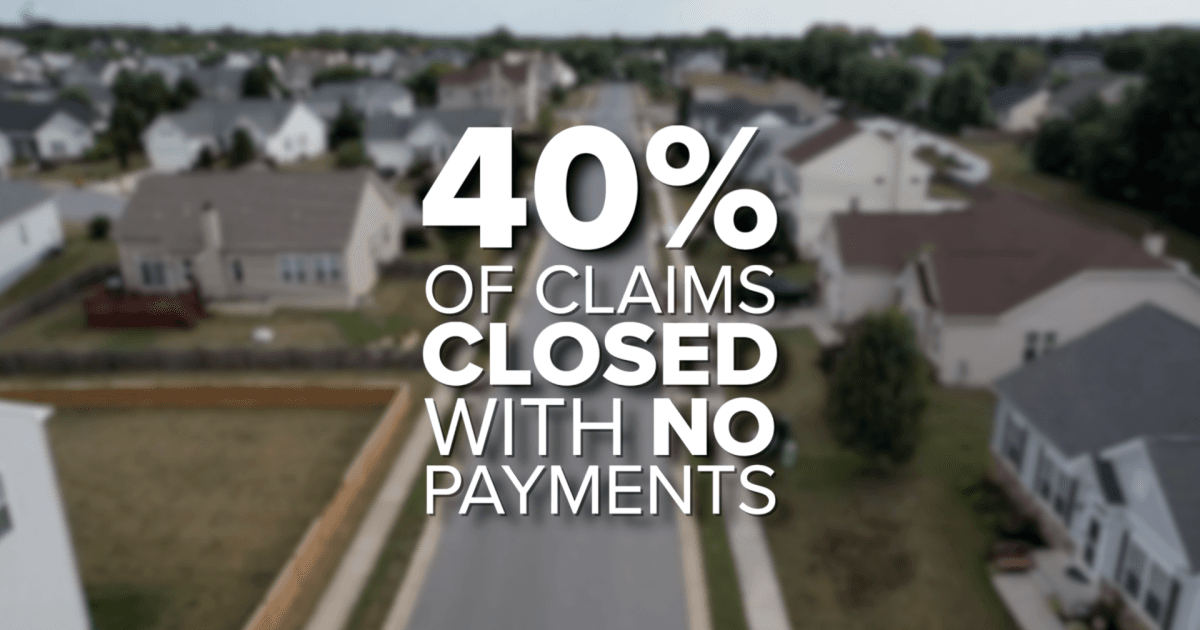
Florida homeowners are being hit with the highest insurance premiums in the nation, averaging $5,838 per year—nearly double the U.S. average. As costs skyrocket, many residents are reporting denied claims, non‑renewals, and impossible financial choices. New investigations reveal that more than 40 percent of claims in Florida close with no payment, while lawmakers push for transparency, fair pricing, and meaningful reform to stabilize a market that’s rapidly becoming unsustainable.

AI-Powered Parking Startup Vend Park Secures $17.5M to Transform a Forgotten Real Estate Asset

Vend Park, a Boston-based proptech company, has raised $17.5 million in Series A funding to reinvent parking as a high-performing commercial real estate asset. By replacing outdated operator–vendor systems with a unified AI-driven platform, Vend Park is helping major property owners boost NOI by up to 30%, slash operating costs, and modernize the tenant experience. As the company expands from three to fifteen cities and partners with giants like Nuveen and Jamestown, its technology highlights a major shift: real estate professionals must now understand AI, automation, and digital infrastructure to stay competitive.

Keller Williams Atlanta Partners Teams Up with Southeast Mortgage in a Major Georgia Market Shake‑Up

Keller Williams Realty Atlanta Partners has formed an exclusive partnership with Southeast Mortgage, Georgia’s largest non‑bank mortgage lender. The collaboration promises faster, tech‑enhanced transactions for both agents and homebuyers, combining real estate expertise with streamlined mortgage services. This move reflects a growing trend toward integrated real‑estate ecosystems designed to reduce delays, boost transparency, and modernize the homebuying experience.