Will Mortgage Rates Drop Faster Than Expected in 2026?
Just a few days into 2026, the housing market has already delivered a surprise — and for once, it’s a good one. A new policy shift could accelerate the long‑awaited drop in mortgage rates, potentially pushing them below earlier forecasts and lifting homebuyer confidence nationwide.
This insight comes from a new analysis by Zillow, which explores how the government-sponsored enterprises’ plan to purchase $200 billion in mortgage‑backed securities could meaningfully lower borrowing costs. You can explore their full breakdown here: Zillow Research Article
What Sparked This Unexpected Optimism?
The initial announcement alone sent ripples through the market. Within one day, mortgage rates dipped by 22 basis points, landing at an attention-grabbing 5.99% — sliding under the psychological 6% barrier many buyers have been waiting for.
For months, industry professionals have expressed frustration that mortgage rates were not falling in line with the Federal Reserve’s rate cuts. Since mid‑2024, the Fed has lowered its benchmark rate by 175 bps, while mortgage rates barely budged. The MBS purchase initiative could finally close that stubborn gap.
Key Projections for 2026
Average mortgage rates could fall to 5.8% in 2026 (previously projected: 6.1%).
Existing home sales may grow by 6.4% year‑over‑year.
Mean sales price growth edges up to 7.8%.
Inventory could tighten as increased demand outpaces new listings.
A 33‑bps reduction in rates saves the average buyer about $60/month.
Why This Matters for Buyers and Sellers
If rates genuinely fall into the mid‑5% range, affordability improves dramatically — especially for buyers sidelined over the last two years. Lower rates give buyers greater purchasing power, while also motivating more homeowners to list as rate lock pressure eases.
Zillow’s modeling also reveals an interesting pattern: while overall home value appreciation remains modest (1–2%), the average sales price could grow faster because more transactions may occur in higher‑value regions such as the Southwest and West.
If this geographic shift plays out, total transaction value could grow up to 13% this year — a significant lift for agents, lenders, and investors.
Economic Ripple Effects
As homeowners who purchased at higher rates refinance, their reduced monthly payments free up valuable disposable income. This means stronger cash flow, more consumer spending, and a healthier economic outlook — all of which help reinforce the real estate environment.
For industry professionals, this shift is especially meaningful. More refinancing activity, more new listings, and an uptick in transaction volume create a more dynamic 2026.
What This Means for Real Estate Professionals
For agents, lenders, and mortgage specialists, 2026 could be a year of renewed movement. More inventory loosens buyer bottlenecks. Lower rates encourage new entrants. And a more active market means more opportunities.
If you’re building or advancing a career in real estate, mortgage, or another licensed profession, this is the perfect moment to sharpen your skills. Cameron Academy continues to empower professionals across Florida and all 50 states with licensing education and career‑boosting programs engineered for today’s fast‑shifting marketplace.
Final Takeaway
If the MBS purchase plan moves forward as expected, mortgage rates could fall faster — and further — than predicted. That would mean stronger homebuyer affordability, healthier sales activity, and a more energized housing market throughout 2026.
The year is young — but the momentum is real.
More Articles
Getting licensed or staying ahead in your career can be a journey—but it doesn’t have to be overwhelming. Grab your favorite coffee or tea, take a moment to relax, and browse through our articles. Whether you’re just starting out or renewing your expertise, we’ve got tips, insights, and advice to keep you moving forward. Here’s to your success—one sip and one step at a time!
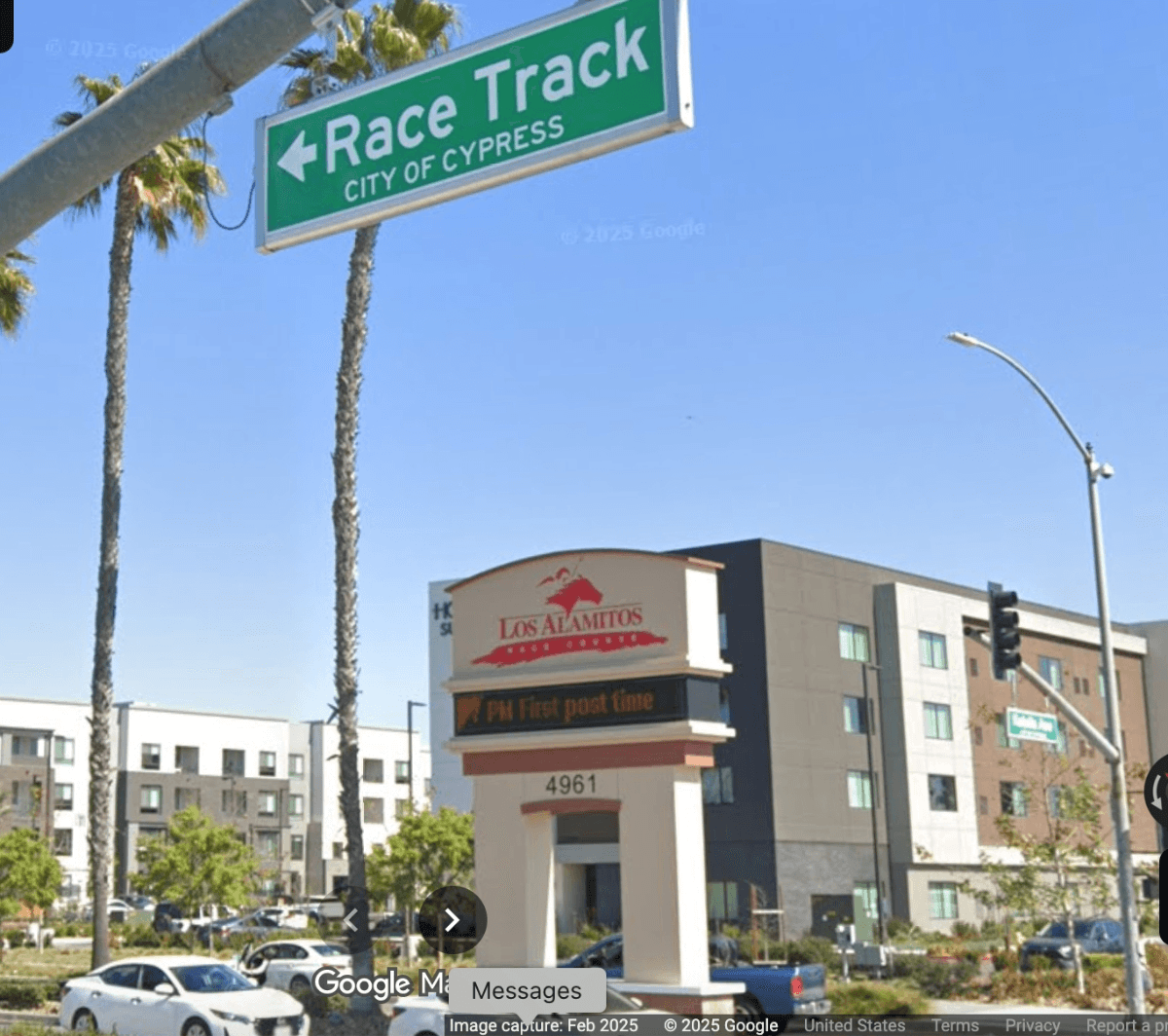
Los Alamitos Race Course is facing its most serious crisis in years after 18 horses died in 2025, prompting regulators to warn the track that its racing license is at risk without immediate safety reforms. Following three catastrophic injuries in a single day, the California Horse Racing Board has ordered urgent changes—including more veterinarians, stricter medication rules, and enhanced on‑track medical support—as pressure mounts for stronger oversight in a sport already under national scrutiny.
Canadian investors have poured more than US$5.8 billion into U.S. commercial real estate this year, making the U.S. their top destination even amid a lingering tariff dispute. Tight inventory in Canada and greater deal availability south of the border are driving the trend, with data centers and industrial properties emerging as the hottest targets for 2025.
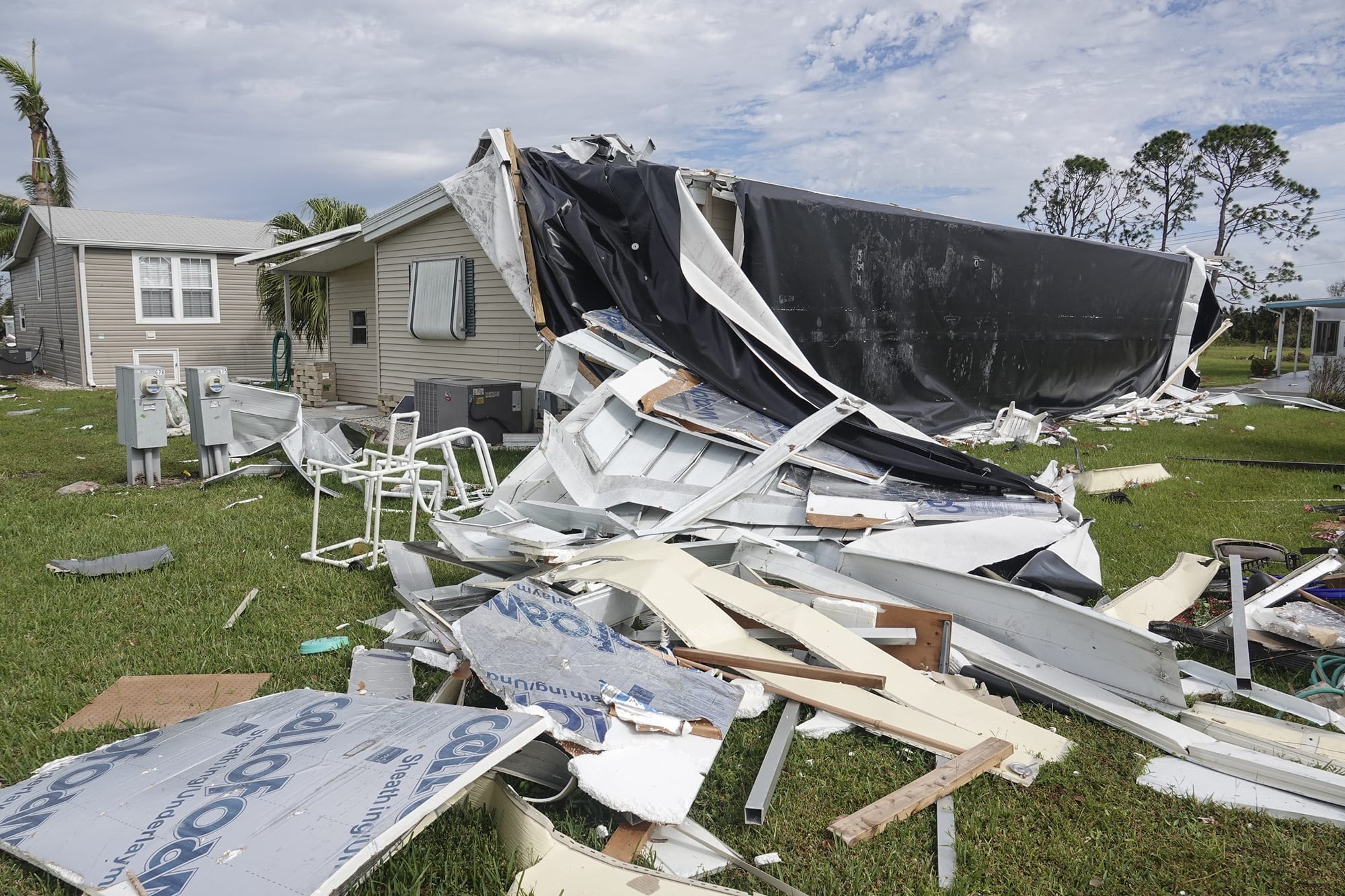
Florida’s insurance commissioner says even industry pros struggle to read today’s 150‑page homeowners policies—leaving residents shocked when hurricane claims are denied. With rising premiums, high replacement costs, and widespread confusion over exclusions like flood and water damage, the state is pushing for simpler, clearer policy language so homeowners know what they’re actually covered for before the next storm hits.
Following the 2025 elections, major metros like New York, Chicago, Miami, Los Angeles, and Boston are implementing policy shifts that could reshape property values, rental income, development timelines, and investment strategy heading into 2026. From New York’s push toward aggressive rent reform to Chicago’s sustainability mandates and Miami’s uncertain mayoral runoff, these changes signal a new era where local politics increasingly dictate market performance. This breakdown highlights the biggest post‑election real estate pivots and what they mean for investors, agents, and finance professionals preparing for a rapidly evolving landscape.
Florida’s Insurance Commissioner is sounding the alarm after thousands of homeowners discovered—only after hurricanes Helene and Milton—that the coverage they thought they had didn’t exist. With nearly 150,000 unpaid claims tied to misunderstood flood exclusions, water‑damage caps, and buried policy clauses, state leaders are pushing to simplify the dense, confusing documents most Floridians never read. As insurance costs remain one of the state’s top concerns, this growing complexity is creating a massive opportunity for real estate, mortgage, and insurance professionals to guide consumers before disaster strikes.
Florida’s insurance market is reliving an old crisis under a new name. Despite reforms meant to stabilize the system, homeowners are being forced out of Citizens and into pricier policies from small insurers with shaky financial histories. Companies tied to past insolvencies are returning with fresh branding, while highly rated carriers continue to deny a majority of claims. With political influence muddying regulation and climate risks rising, experts warn that only a full structural overhaul—not cosmetic reforms—can restore confidence for homeowners, agents, and the entire real estate market.