Will Mortgage Rates Drop Faster Than Expected in 2026?
Just a few days into 2026, the housing market has already delivered a surprise — and for once, it’s a good one. A new policy shift could accelerate the long‑awaited drop in mortgage rates, potentially pushing them below earlier forecasts and lifting homebuyer confidence nationwide.
This insight comes from a new analysis by Zillow, which explores how the government-sponsored enterprises’ plan to purchase $200 billion in mortgage‑backed securities could meaningfully lower borrowing costs. You can explore their full breakdown here: Zillow Research Article
What Sparked This Unexpected Optimism?
The initial announcement alone sent ripples through the market. Within one day, mortgage rates dipped by 22 basis points, landing at an attention-grabbing 5.99% — sliding under the psychological 6% barrier many buyers have been waiting for.
For months, industry professionals have expressed frustration that mortgage rates were not falling in line with the Federal Reserve’s rate cuts. Since mid‑2024, the Fed has lowered its benchmark rate by 175 bps, while mortgage rates barely budged. The MBS purchase initiative could finally close that stubborn gap.
Key Projections for 2026
Average mortgage rates could fall to 5.8% in 2026 (previously projected: 6.1%).
Existing home sales may grow by 6.4% year‑over‑year.
Mean sales price growth edges up to 7.8%.
Inventory could tighten as increased demand outpaces new listings.
A 33‑bps reduction in rates saves the average buyer about $60/month.
Why This Matters for Buyers and Sellers
If rates genuinely fall into the mid‑5% range, affordability improves dramatically — especially for buyers sidelined over the last two years. Lower rates give buyers greater purchasing power, while also motivating more homeowners to list as rate lock pressure eases.
Zillow’s modeling also reveals an interesting pattern: while overall home value appreciation remains modest (1–2%), the average sales price could grow faster because more transactions may occur in higher‑value regions such as the Southwest and West.
If this geographic shift plays out, total transaction value could grow up to 13% this year — a significant lift for agents, lenders, and investors.
Economic Ripple Effects
As homeowners who purchased at higher rates refinance, their reduced monthly payments free up valuable disposable income. This means stronger cash flow, more consumer spending, and a healthier economic outlook — all of which help reinforce the real estate environment.
For industry professionals, this shift is especially meaningful. More refinancing activity, more new listings, and an uptick in transaction volume create a more dynamic 2026.
What This Means for Real Estate Professionals
For agents, lenders, and mortgage specialists, 2026 could be a year of renewed movement. More inventory loosens buyer bottlenecks. Lower rates encourage new entrants. And a more active market means more opportunities.
If you’re building or advancing a career in real estate, mortgage, or another licensed profession, this is the perfect moment to sharpen your skills. Cameron Academy continues to empower professionals across Florida and all 50 states with licensing education and career‑boosting programs engineered for today’s fast‑shifting marketplace.
Final Takeaway
If the MBS purchase plan moves forward as expected, mortgage rates could fall faster — and further — than predicted. That would mean stronger homebuyer affordability, healthier sales activity, and a more energized housing market throughout 2026.
The year is young — but the momentum is real.
More Articles
Getting licensed or staying ahead in your career can be a journey—but it doesn’t have to be overwhelming. Grab your favorite coffee or tea, take a moment to relax, and browse through our articles. Whether you’re just starting out or renewing your expertise, we’ve got tips, insights, and advice to keep you moving forward. Here’s to your success—one sip and one step at a time!
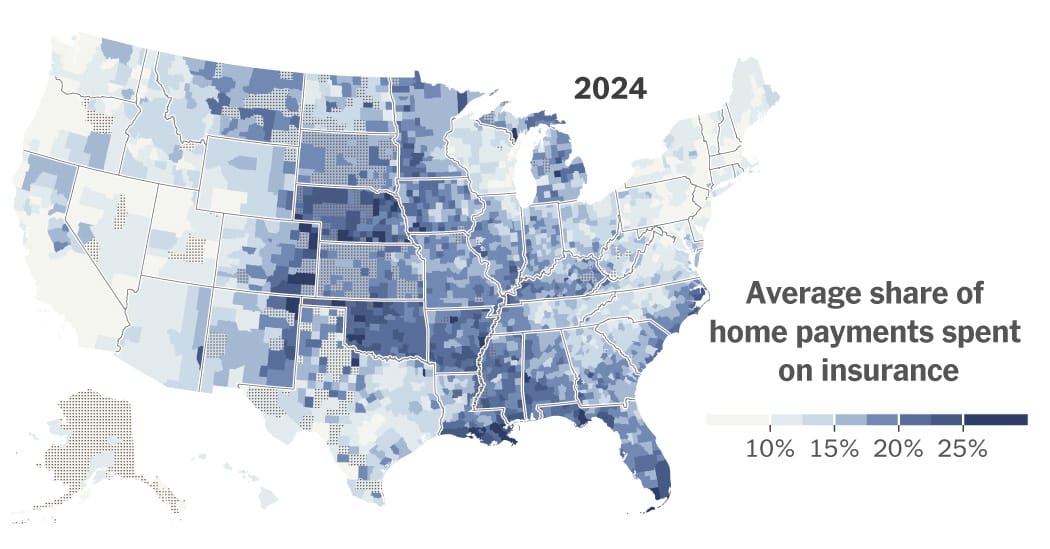
A surge in home insurance premiums is reshaping housing markets across the country, hitting disaster‑prone regions the hardest. From Louisiana to Colorado and California, deals are collapsing, buyers are backing out, and home values are dropping as insurance becomes a central affordability hurdle. New data shows climate‑driven risk repricing and soaring reinsurance costs are stripping tens of thousands of dollars from property values, forcing some homeowners to sell at a loss—or go uninsured altogether.
After years of sluggish activity, the National Association of REALTORS predicts 2026 could mark the long‑awaited rebound for the housing market. With a projected 14% jump in home sales, steadier rates near 6%, and rising buyer activity, NAR economists say momentum is already building. Early signs—like a 31% surge in mortgage applications, continued job growth, and stabilizing prices—suggest a stronger, more confident market ahead, creating fresh opportunities for both seasoned professionals and aspiring agents preparing to enter the field.
A surge of global capital is reshaping real estate heading into 2026, with investors shifting toward hands‑on strategies, cross‑border diversification, and high‑growth asset classes like data centers. Colliers’ 2026 Global Investor Outlook highlights rising confidence, improving liquidity, and a major pivot toward direct investing and value‑add opportunities. From office market rebounds to Asia Pacific’s rapid fundraising growth, the report outlines trends every real estate professional should understand as the industry enters a more dynamic, opportunity‑rich cycle.
Culver City just became the first place in California to legalize six‑story apartment buildings with only one staircase — a simple change that could reshape mid‑rise housing statewide. By freeing up as much as 7% more usable floor space, architects say single‑stair designs allow bigger units, more windows, and the kind of elegant layouts common in New York and Europe. If the city’s six‑year experiment succeeds, it may spark a broader rethinking of U.S. building codes and open the door to more flexible, affordable multifamily development across California.
Stratford homeowners are receiving their 2025 Notices of Assessment Change, marking the town’s first property revaluation since 2019. Officials emphasize that rising assessments do not equal higher tax bills, as a new mill rate won’t be set until spring 2026. Residents can challenge or review their updated valuations through informal hearings hosted by Vision Government Solutions, with appointments available for one week after receiving a notice.
New reporting reveals Florida homeowners now face an average insurance premium of $5,838 per year — nearly triple the national average. With skyrocketing rates, denied claims, and mounting non-renewals, residents are being pushed to tough financial decisions while lawmakers scramble to implement reforms. From retirees skipping coverage to families battling insurers for fair payouts, Florida’s insurance crisis is reshaping both the housing market and the daily lives of homeowners statewide.