Mortgage Rates Slip as Talk of a 50-Year Loan Stirs the Market
This week’s mortgage news delivered a surprising twist — not because rates moved dramatically, but because a new idea grabbed the spotlight: the possibility of a 50-year mortgage. While average rates nudged slightly lower, with the 30-year fixed settling around 6.25% APR according to data provided to NerdWallet by Zillow, it was the chatter about ultra-long loan terms that sparked the biggest reaction.
The concept, floated in recent social media posts by the Trump administration, immediately drew sharp commentary from housing economists. On the surface, smaller monthly payments are tempting. But stretch a $400,000 loan over half a century, and the math takes a turn. You might save around $130 a month — but you’d pay over half a million dollars extra in interest over the lifetime of the mortgage.
The Equity Problem: Slow and Expensive
Experts warn that a 50-year loan wouldn’t just be costly. It also dramatically slows equity building, which could expose homeowners to more risk if property values dip. Worse, easier payments without added housing supply may push prices even higher, putting long-term affordability even further out of reach.
Another reality check: the average first-time homebuyer is about 40 years old. A 50-year mortgage means making house payments well into your late 80s — less a financial strategy and more a long-distance endurance test.
So while the idea sounds innovative on the surface, the long-term trade-offs serve as a reminder: a lower payment today can lead to a much heavier financial burden tomorrow.
November Mortgage Rate Forecast: What’s Next?
Looking ahead, mortgage rates could drift slightly higher as uncertainty builds around the Federal Reserve’s next move. Although recent hiring data showed modest improvement, inflation still hovers above target levels. This creates a delicate balancing act — and rate cuts in December are far from guaranteed.
The Fed uses the federal funds rate as its primary tool to curb inflation. Without a clear path toward easing rates, mortgage costs may remain sticky or inch upward, keeping affordability challenging for buyers as we move deeper into the season.
What Professionals Should Take Away
For real estate agents, mortgage loan officers, and other housing professionals, understanding these shifts is essential. Clients will be hearing about 50-year mortgages and wondering whether they’re a real solution or more smoke than substance. Staying informed helps you guide them with confidence.
If you’re in Florida real estate — or working in mortgage, insurance, or finance across the U.S. — keeping your license current and your expertise sharp is more valuable than ever. Cameron Academy continues to support professionals in all 50 states with licensing education, career development, and industry insights that help you stay ahead of market conversations like this one.
Special thanks to NerdWallet for the original reporting and data that inspired this analysis.
More Articles
Getting licensed or staying ahead in your career can be a journey—but it doesn’t have to be overwhelming. Grab your favorite coffee or tea, take a moment to relax, and browse through our articles. Whether you’re just starting out or renewing your expertise, we’ve got tips, insights, and advice to keep you moving forward. Here’s to your success—one sip and one step at a time!
Just 48 hours after NAR unveiled major revisions to its MLS policies, plaintiffs in the Michigan-based Hardy lawsuit moved to use those changes as evidence, arguing they prove NAR’s prior rules were anticompetitive. NAR denies any wrongdoing, but the case is quickly becoming a key test for whether MLS access should require Realtor membership — a question now echoing across multiple states and potentially reshaping how real estate professionals nationwide access the industry’s most essential tool.
Florida homeowners are now paying some of the highest insurance premiums in the country, with average costs topping $5,800 per year—nearly double the national average. Residents report skyrocketing rates, denied claims, and tough choices between costly coverage and financial risk. As frustration grows, lawmakers and consumer advocates are pushing new reforms aimed at increasing transparency, capping rate hikes, and protecting policyholders in one of the nation’s most volatile insurance markets.
Economic uncertainty, rapid AI adoption, tighter capital flows, and rising portfolio risk are reshaping the 2026 commercial real estate landscape. From shifting workforce patterns to a national housing attainability crisis, the industry is entering a data‑driven, fundamentals‑focused era—making adaptability, education, and tech literacy essential for real estate professionals.
Mortgage rates have climbed to 6.23 percent as investors grow doubtful that the Federal Reserve will deliver a rate cut in December. A soft but unclear jobs report and persistent inflation have pushed borrowing costs higher, reversing October’s brief relief in the housing market. Real estate and mortgage professionals should prepare clients for continued volatility as the Fed’s December meeting approaches.
After years of tight inventory, high mortgage rates, and sluggish sales, economists say 2026 is shaping up to be the turnaround real estate professionals have been waiting for. NAR projects a 14 percent jump in home sales, mortgage rates easing toward 6 percent, and buyer demand finally gaining momentum. While higher‑end homes are moving quickly, first‑time buyers continue to face affordability challenges, and price reductions are reappearing as sellers adjust to shifting conditions. For Florida agents, brokers, and newcomers, the stage is being set for a busy and opportunity‑rich year.
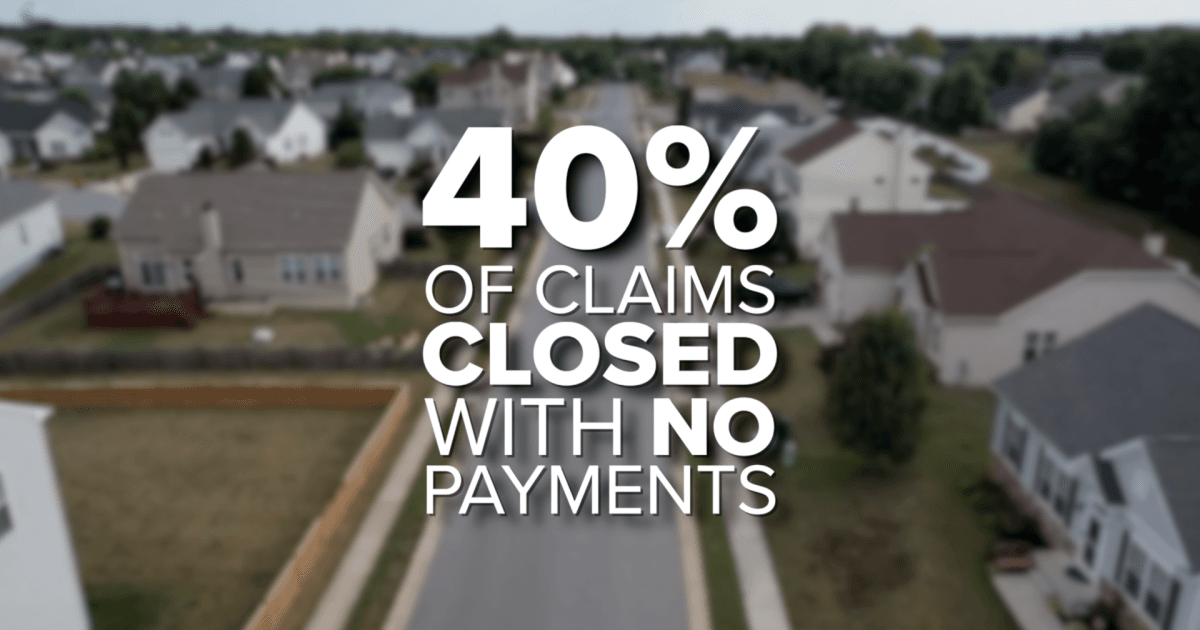
Florida’s average homeowner insurance premium has soared to $5,838 a year—almost $3,000 above the national average—pushing many residents to the financial brink. From tripled premiums to lowball claim payouts, homeowners are speaking out as frustration mounts. Some are even dropping coverage entirely. With more than 40% of claims closed without payment and policy cancellations at record levels, lawmakers are pushing for reforms, but political hurdles remain. The outcome could reshape Florida real estate, insurance, and mortgage markets for years to come.