Mortgage Rates Slip as Talk of a 50-Year Loan Stirs the Market
This week’s mortgage news delivered a surprising twist — not because rates moved dramatically, but because a new idea grabbed the spotlight: the possibility of a 50-year mortgage. While average rates nudged slightly lower, with the 30-year fixed settling around 6.25% APR according to data provided to NerdWallet by Zillow, it was the chatter about ultra-long loan terms that sparked the biggest reaction.
The concept, floated in recent social media posts by the Trump administration, immediately drew sharp commentary from housing economists. On the surface, smaller monthly payments are tempting. But stretch a $400,000 loan over half a century, and the math takes a turn. You might save around $130 a month — but you’d pay over half a million dollars extra in interest over the lifetime of the mortgage.
The Equity Problem: Slow and Expensive
Experts warn that a 50-year loan wouldn’t just be costly. It also dramatically slows equity building, which could expose homeowners to more risk if property values dip. Worse, easier payments without added housing supply may push prices even higher, putting long-term affordability even further out of reach.
Another reality check: the average first-time homebuyer is about 40 years old. A 50-year mortgage means making house payments well into your late 80s — less a financial strategy and more a long-distance endurance test.
So while the idea sounds innovative on the surface, the long-term trade-offs serve as a reminder: a lower payment today can lead to a much heavier financial burden tomorrow.
November Mortgage Rate Forecast: What’s Next?
Looking ahead, mortgage rates could drift slightly higher as uncertainty builds around the Federal Reserve’s next move. Although recent hiring data showed modest improvement, inflation still hovers above target levels. This creates a delicate balancing act — and rate cuts in December are far from guaranteed.
The Fed uses the federal funds rate as its primary tool to curb inflation. Without a clear path toward easing rates, mortgage costs may remain sticky or inch upward, keeping affordability challenging for buyers as we move deeper into the season.
What Professionals Should Take Away
For real estate agents, mortgage loan officers, and other housing professionals, understanding these shifts is essential. Clients will be hearing about 50-year mortgages and wondering whether they’re a real solution or more smoke than substance. Staying informed helps you guide them with confidence.
If you’re in Florida real estate — or working in mortgage, insurance, or finance across the U.S. — keeping your license current and your expertise sharp is more valuable than ever. Cameron Academy continues to support professionals in all 50 states with licensing education, career development, and industry insights that help you stay ahead of market conversations like this one.
Special thanks to NerdWallet for the original reporting and data that inspired this analysis.
More Articles
Getting licensed or staying ahead in your career can be a journey—but it doesn’t have to be overwhelming. Grab your favorite coffee or tea, take a moment to relax, and browse through our articles. Whether you’re just starting out or renewing your expertise, we’ve got tips, insights, and advice to keep you moving forward. Here’s to your success—one sip and one step at a time!
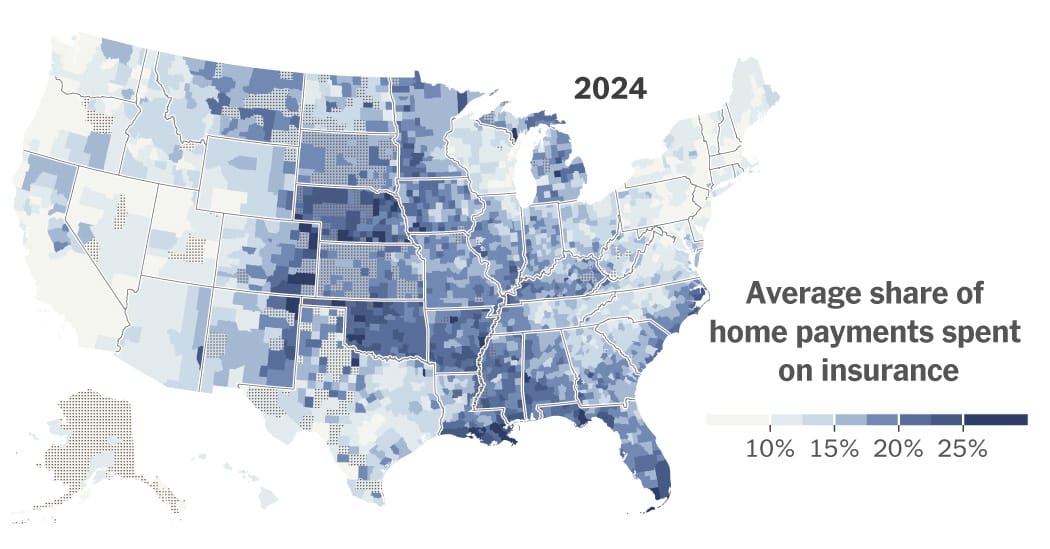
A surge in home insurance premiums is reshaping housing markets across the country, hitting disaster‑prone regions the hardest. From Louisiana to Colorado and California, deals are collapsing, buyers are backing out, and home values are dropping as insurance becomes a central affordability hurdle. New data shows climate‑driven risk repricing and soaring reinsurance costs are stripping tens of thousands of dollars from property values, forcing some homeowners to sell at a loss—or go uninsured altogether.
After years of sluggish activity, the National Association of REALTORS predicts 2026 could mark the long‑awaited rebound for the housing market. With a projected 14% jump in home sales, steadier rates near 6%, and rising buyer activity, NAR economists say momentum is already building. Early signs—like a 31% surge in mortgage applications, continued job growth, and stabilizing prices—suggest a stronger, more confident market ahead, creating fresh opportunities for both seasoned professionals and aspiring agents preparing to enter the field.
A surge of global capital is reshaping real estate heading into 2026, with investors shifting toward hands‑on strategies, cross‑border diversification, and high‑growth asset classes like data centers. Colliers’ 2026 Global Investor Outlook highlights rising confidence, improving liquidity, and a major pivot toward direct investing and value‑add opportunities. From office market rebounds to Asia Pacific’s rapid fundraising growth, the report outlines trends every real estate professional should understand as the industry enters a more dynamic, opportunity‑rich cycle.
Culver City just became the first place in California to legalize six‑story apartment buildings with only one staircase — a simple change that could reshape mid‑rise housing statewide. By freeing up as much as 7% more usable floor space, architects say single‑stair designs allow bigger units, more windows, and the kind of elegant layouts common in New York and Europe. If the city’s six‑year experiment succeeds, it may spark a broader rethinking of U.S. building codes and open the door to more flexible, affordable multifamily development across California.
Stratford homeowners are receiving their 2025 Notices of Assessment Change, marking the town’s first property revaluation since 2019. Officials emphasize that rising assessments do not equal higher tax bills, as a new mill rate won’t be set until spring 2026. Residents can challenge or review their updated valuations through informal hearings hosted by Vision Government Solutions, with appointments available for one week after receiving a notice.
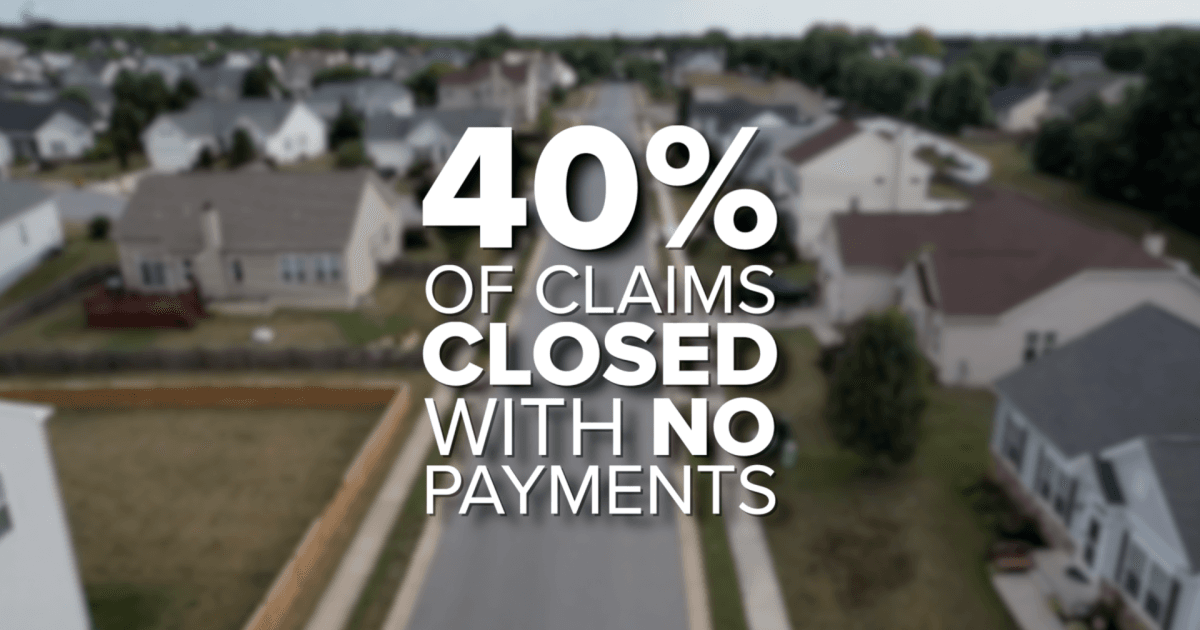
New reporting reveals Florida homeowners now face an average insurance premium of $5,838 per year — nearly triple the national average. With skyrocketing rates, denied claims, and mounting non-renewals, residents are being pushed to tough financial decisions while lawmakers scramble to implement reforms. From retirees skipping coverage to families battling insurers for fair payouts, Florida’s insurance crisis is reshaping both the housing market and the daily lives of homeowners statewide.