Mortgage Rates Slip Below 6 Percent For the First Time Since 2022: What It Means for Todays Homebuyers
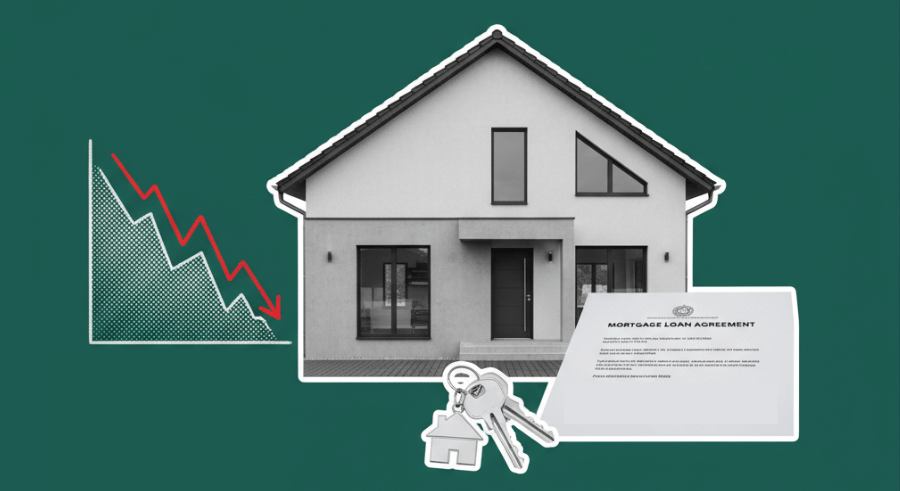
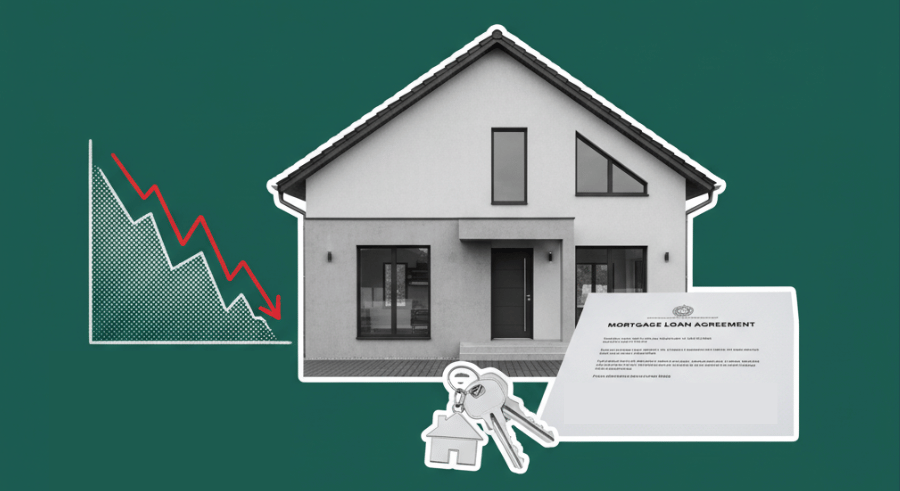
The housing market just got a breath of fresh air. For the first time since late 2022, the average U.S. 30-year fixed mortgage rate has dipped below 6 percent. Freddie Mac reported this week that rates have edged down to 5.98 percent, a slight but meaningful drop from last weeks 6.01 percent and a sharp contrast to the 6.76 percent average recorded one year ago.
This decline marks the third consecutive weekly drop, settling rates at their lowest point since September 8, 2022. For early spring home shoppers, this shift could mark the beginning of a more energized buying season.
Why Mortgage Rates Are Falling
Mortgage rates tend to follow the movement of the 10-year Treasury yield, which has recently slipped to 4.02 percent. As investor sentiment and expectations for inflation shift, both Treasury yields and mortgage rates naturally adjust. With the Federal Reserve holding steady and market anxiety easing, these downward ripples are making their way to consumers.
Source Insight: This story originally appeared on PBS NewsHour. For the full report, visit pbs.org/newshour/economy/average-u-s-long-term-mortgage-rate-dips-below-6-for-the-first-time-since-2022.
Will This Wake Up a Sleepy Housing Market?
Homes sales saw a modest uptick toward the end of 2025, but the overall market has still been wrestling with a prolonged slowdown. Home prices remain elevated, supply is tight, and millions of homeowners are locked into ultra-low interest rates secured during the pandemic years.
According to Realtor.com, nearly 69 percent of homeowners with a mortgage hold rates at 5 percent or lower, and more than half enjoy rates under 4 percent. This massive rate lock-in effect has kept inventory scarce and sellers hesitant to move.
Still, experts believe rates dipping below 6 percent could be the spark the spring buying season needs. Chief economist Lisa Sturtevant of Bright MLS says, “Assuming rates stay below 6 percent, buyers and sellers are going to start getting back into the market.”
Refinancing and Adjustable-Rate Mortgages on the Rise
Even as 30-year fixed rates fall, 15-year mortgages ticked up slightly this week to 5.44 percent. Despite that, refinancing activity continues to climb, with refinance applications now making up more than 58 percent of all mortgage applications, according to the Mortgage Bankers Association.
More borrowers are also considering adjustable-rate mortgages (ARMs), which accounted for 8.2 percent of applications last week. ARMs often offer lower introductory rates, making them appealing for buyers looking to reduce upfront costs or shorten their buying timeline.
What This Means for Real Estate and Mortgage Professionals
For professionals working toward a real estate or mortgage license, understanding rate trends is more than market trivia. These fluctuations directly impact buyer behavior, inventory levels, qualifying power, and how agents structure their advice.
At Cameron Academy, we integrate real market scenarios like this into our courses so that learners understand not just how the industry works, but why it moves the way it does. Whether you are preparing for your Florida Real Estate License, Mortgage Loan Originator License, or another professional track, staying informed helps you serve clients with confidence.
Looking Ahead
If rates remain under 6 percent, spring 2026 could see renewed energy among buyers and sellers who have been waiting for the right moment. Inventory challenges and affordability issues are still real obstacles, but lower borrowing costs might be the catalyst many households needed to reenter the market.
For now, all eyes are on whether this downward trend continues and how quickly consumers respond.
More Articles
Getting licensed or staying ahead in your career can be a journey—but it doesn’t have to be overwhelming. Grab your favorite coffee or tea, take a moment to relax, and browse through our articles. Whether you’re just starting out or renewing your expertise, we’ve got tips, insights, and advice to keep you moving forward. Here’s to your success—one sip and one step at a time!
Tokenization has surged from crypto niche to global financial disruptor as institutions like Robinhood, BlackRock, and Coinbase race to digitize real-world assets. With pro‑crypto political momentum, shifting regulations, and private companies resisting newfound transparency, this emerging wave is transforming how investments are bought, sold, and accessed. For professionals in real estate, finance, lending, and insurance, this shift signals massive opportunity—and equally massive responsibility—as the next era of asset ownership takes shape.
Florida homeowners are finally getting relief as Citizens Property Insurance announces an average 8.7% statewide rate reduction for 2026, with South Florida seeing cuts as high as 14%. Driven by recent tort reforms and a stabilizing market, these decreases signal a major turnaround for an industry once on the brink of collapse — and a potential boost for real estate activity across the state.
After years of roller‑coaster chaos, the 2026 U.S. housing market is easing into something professionals haven’t seen in a long time: balance. Inventory growth has slowed to just 10% year over year—down sharply from 2025’s surge—signaling the end of the pandemic‑era scarcity and the rise of a market driven by real‑time demand and interest rates. With seasonal patterns returning, negotiations replacing bidding wars and rates drifting toward 6%, agents, lenders and investors are finally navigating conditions that look… normal.
More than half of Gen Z investors say they entered the stock market because of social media—not textbooks, not advisors. Viral creators, AI tools, and crypto trends are reshaping how young adults learn about money, invest early, and chase financial freedom. This Fortune‑featured shift highlights a generation determined to build wealth fast, trust digital voices over traditional institutions, and redefine financial education for the future.
After years of extremes, the U.S. housing market is shifting into a more balanced, predictable phase. Inventory growth has cooled from last year’s surge, seasonality is returning, and pricing is becoming increasingly rate‑sensitive. With mortgage rates hovering near 6% and policy changes reshaping investor participation, 2026 is emerging as a negotiation‑driven market where skilled agents, lenders, builders, and investors have a renewed advantage. This new landscape rewards strategy, education, and real‑time demand awareness—making it an ideal moment for professionals to refine their approach and capitalize on the market’s normalization.
A sudden policy shift at the start of 2026 is already pushing mortgage rates lower, dipping them under 6% for the first time in months. New projections suggest the government-sponsored enterprises’ $200 billion in mortgage‑backed securities purchases could accelerate rate declines throughout the year, boosting affordability, home sales, and overall market activity for buyers, sellers, and real estate professionals alike.