Mortgage Refinance Boom Surges — But Rising Rates May Bring It to a Halt

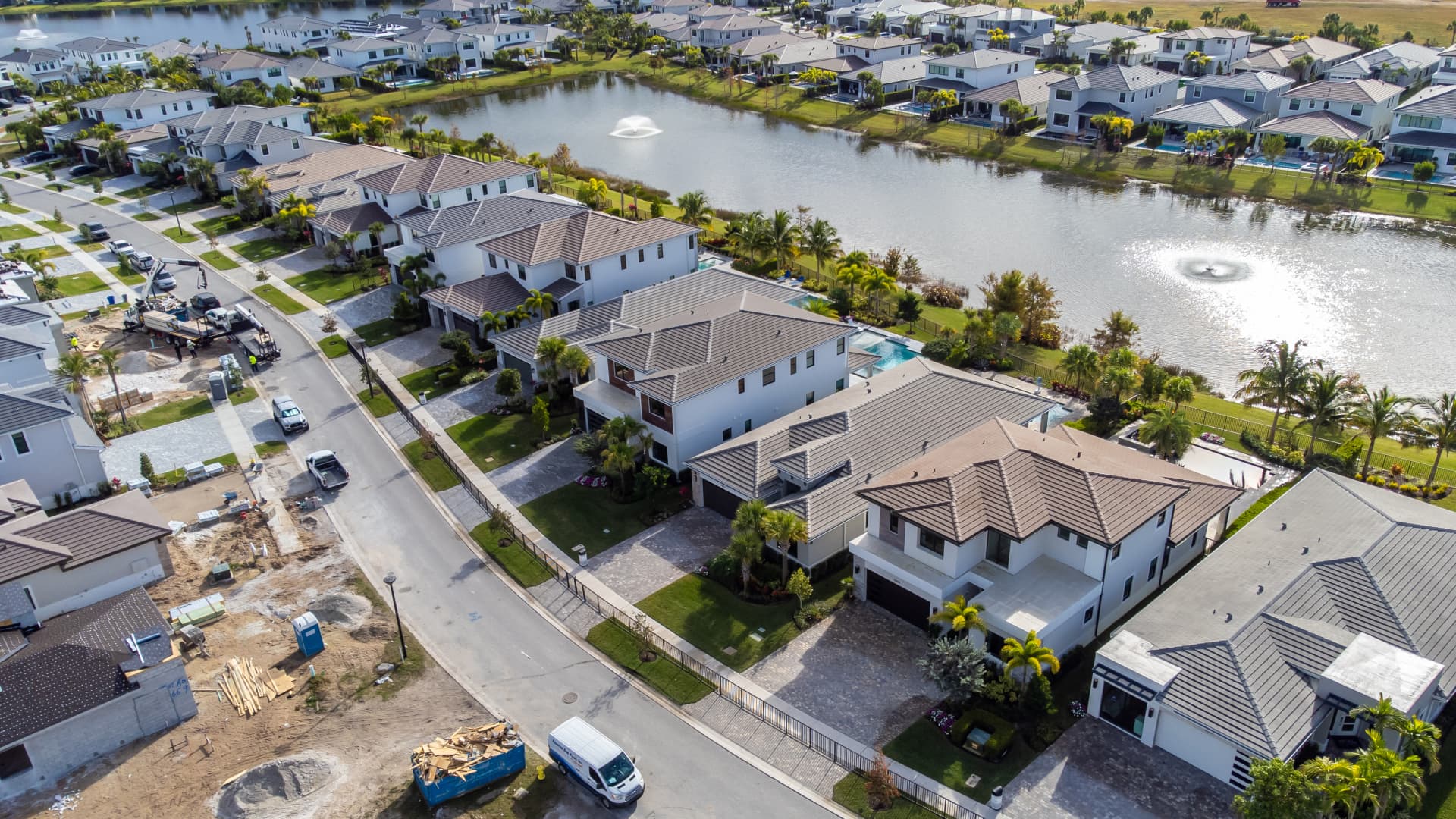
Homes under construction in palm beach gardens, florida

Mortgage refinancing soared for a second consecutive week as interest rates dipped to their lowest point since late 2024. But just as homeowners rushed to seize the moment, the market shifted again — and those gains may be short‑lived.

According to the Mortgage Bankers Association, refinance applications jumped 20% week‑over‑week and an astonishing 183% higher than the same week last year. It’s one of the strongest surges seen since September 2025.

Rates Hit a Soft Spot — and Homeowners Pounced

The average 30‑year fixed mortgage rate dipped to 6.16%, a subtle but meaningful improvement from 6.18%. For borrowers watching the market closely, even small rate shifts can unlock substantial lifetime savings.

“These lower rates prompted greater refinance activity from conventional and VA refinance borrowers,” said MBA deputy chief economist Joel Kan. “Refinance applications accounted for more than 60% of applications, and loan sizes also moved higher.”

But volatility remains the theme of 2026, and early this week rates snapped back upward as bond markets reacted to global tensions and tariff threats.

Why Rates Are Suddenly Rising Again

Rates initially fell after President Donald Trump announced a plan for Fannie Mae and Freddie Mac to purchase $200 billion in mortgage‑backed securities — a move that sparked a wave of optimism.

But mortgage rates jumped 14 basis points at the start of the week, according to Mortgage News Daily, erasing nearly all prior progress.

“The market has already reacted to that news to the extent allowed by its transparency,” said Matthew Graham, COO of Mortgage News Daily. In other words, the announcement had already been priced in — leaving little room for sustained declines.

Homebuyer Interest Is Rising Too

Purchase applications rose 5% for the week and now stand 18% higher year‑over‑year. Inventory has improved, but affordability remains a challenge — particularly in booming markets like Florida.

What This Means for Real Estate and Mortgage Professionals

Rapid swings in mortgage rates can reshape consumer decisions overnight. For real‑estate agents, loan officers, and finance professionals, staying ahead of these trends isn’t just smart — it’s essential.

If you’re building or upgrading your career in mortgage lending or real estate, ongoing education remains one of your strongest advantages. Cameron Academy supports professionals nationwide with licensing programs and continuing education designed for volatile markets just like this one.

Explore real‑estate and professional licensing courses anytime at CameronAcademy.com.

For the original report and continuing coverage, read the full CNBC article: Mortgage Refinances Surged Again — But Rates Are Now Suddenly Jumping Higher.

More Articles

Getting licensed or staying ahead in your career can be a journey—but it doesn’t have to be overwhelming. Grab your favorite coffee or tea, take a moment to relax, and browse through our articles. Whether you’re just starting out or renewing your expertise, we’ve got tips, insights, and advice to keep you moving forward. Here’s to your success—one sip and one step at a time!

Florida Homeowners Finally Get Relief as Gov. DeSantis Announces Significant Insurance Premium Cuts

Florida homeowners — especially in hard‑hit South Florida — are set to see rare and substantial reductions in their property insurance premiums. Gov. Ron DeSantis announced an average statewide Citizens Insurance decrease of 8.7%, with even larger savings of up to 14% in counties like Miami-Dade, Broward, and Palm Beach. State officials credit recent legal and regulatory reforms for stabilizing the market, attracting new insurers, and delivering the first meaningful rate relief Floridians have seen in years.

Tampa’s Real Estate Market Enters a Smarter, More Selective Growth Phase

Tampa’s commercial real estate market isn’t slowing—it’s maturing. With strong population growth, rising office demand, a normalized industrial sector, resurgent retail, and an emerging health‑care real estate boom, investors are shifting from speed to strategy. Tighter underwriting, cautious capital and increased due‑diligence are shaping a more disciplined market, creating new opportunities for informed professionals.

Florida Slashes Home Insurance Rates: Biggest Drop in a Decade Sends Shockwaves Through the Market

Florida homeowners are finally seeing relief as Citizens Property Insurance announces a major 8.7% average rate decrease—far larger than originally proposed. Driven by legislative reforms, fewer lawsuits, and a calm hurricane season, the state’s once‑unstable insurance market is showing real signs of recovery. But with reduced coverage limits and shifting legal protections, experts warn that lower premiums may come with hidden trade‑offs.

Florida Homeowners Finally Get Insurance Relief After Years of Soaring Premiums

After a decade of rising premiums and retreating carriers, Florida homeowners are finally seeing long‑awaited relief. Dozens of insurers have filed for rate decreases—some as high as 11%—thanks to legislative reforms and a stabilizing market. Early approvals are already hitting counties across the state, and experts say the momentum could boost buyer confidence, affordability, and competition throughout Florida’s real estate and insurance sectors.

Self‑Storage Investing in 2026: A Market Thaw Opens the Door to Big Opportunities

After years of slowed activity caused by rising interest rates, the self‑storage industry is heating up again. New data from Marcus & Millichap shows a fresh market cycle emerging, driven by renewed buyer confidence, recalibrated pricing, and stronger lender participation. Acquisitions are rebounding, development is resetting in a healthier direction, and financing conditions are improving—creating one of the most promising investment landscapes the sector has seen in years.

Brookline’s Real Flood Risk: What FEMA’s New Maps Reveal—and What They Miss

Brookline’s newly updated FEMA flood maps identify 97 high‑risk parcels, but local experts warn the true threat is far greater. While FEMA highlights river‑based flooding around Leverett Pond and the Muddy River, alternative models show more than 1,300 Brookline properties at risk within 30 years. Hidden vulnerabilities along major corridors like Beacon Street, rising rainfall intensity, aging infrastructure, and climate‑driven storm patterns suggest that many “low‑risk” areas may be anything but safe.