Mortgage Refinance Boom Surges — But Rising Rates May Bring It to a Halt

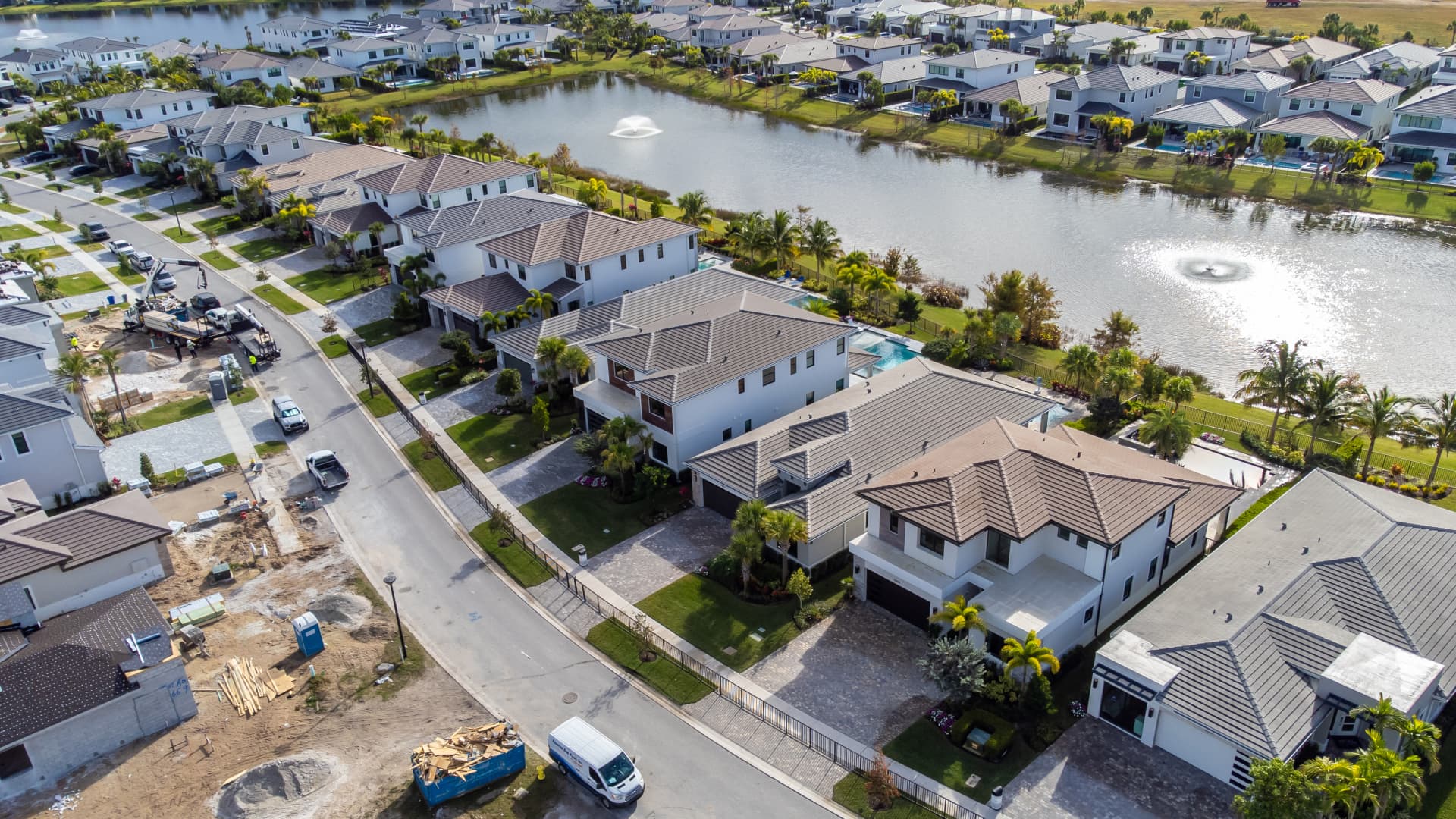
Homes under construction in palm beach gardens, florida

Mortgage refinancing soared for a second consecutive week as interest rates dipped to their lowest point since late 2024. But just as homeowners rushed to seize the moment, the market shifted again — and those gains may be short‑lived.

According to the Mortgage Bankers Association, refinance applications jumped 20% week‑over‑week and an astonishing 183% higher than the same week last year. It’s one of the strongest surges seen since September 2025.

Rates Hit a Soft Spot — and Homeowners Pounced

The average 30‑year fixed mortgage rate dipped to 6.16%, a subtle but meaningful improvement from 6.18%. For borrowers watching the market closely, even small rate shifts can unlock substantial lifetime savings.

“These lower rates prompted greater refinance activity from conventional and VA refinance borrowers,” said MBA deputy chief economist Joel Kan. “Refinance applications accounted for more than 60% of applications, and loan sizes also moved higher.”

But volatility remains the theme of 2026, and early this week rates snapped back upward as bond markets reacted to global tensions and tariff threats.

Why Rates Are Suddenly Rising Again

Rates initially fell after President Donald Trump announced a plan for Fannie Mae and Freddie Mac to purchase $200 billion in mortgage‑backed securities — a move that sparked a wave of optimism.

But mortgage rates jumped 14 basis points at the start of the week, according to Mortgage News Daily, erasing nearly all prior progress.

“The market has already reacted to that news to the extent allowed by its transparency,” said Matthew Graham, COO of Mortgage News Daily. In other words, the announcement had already been priced in — leaving little room for sustained declines.

Homebuyer Interest Is Rising Too

Purchase applications rose 5% for the week and now stand 18% higher year‑over‑year. Inventory has improved, but affordability remains a challenge — particularly in booming markets like Florida.

What This Means for Real Estate and Mortgage Professionals

Rapid swings in mortgage rates can reshape consumer decisions overnight. For real‑estate agents, loan officers, and finance professionals, staying ahead of these trends isn’t just smart — it’s essential.

If you’re building or upgrading your career in mortgage lending or real estate, ongoing education remains one of your strongest advantages. Cameron Academy supports professionals nationwide with licensing programs and continuing education designed for volatile markets just like this one.

Explore real‑estate and professional licensing courses anytime at CameronAcademy.com.

For the original report and continuing coverage, read the full CNBC article: Mortgage Refinances Surged Again — But Rates Are Now Suddenly Jumping Higher.

More Articles

Getting licensed or staying ahead in your career can be a journey—but it doesn’t have to be overwhelming. Grab your favorite coffee or tea, take a moment to relax, and browse through our articles. Whether you’re just starting out or renewing your expertise, we’ve got tips, insights, and advice to keep you moving forward. Here’s to your success—one sip and one step at a time!

Seattle Faces One of America’s Worst Office Vacancy Crises as New Mayor Steps In

Seattle now holds the second‑highest office vacancy rate in the nation at 26.6%, with some downtown areas soaring past 35% and Pioneer Square reaching 50%. Mayor‑elect Katie Wilson steps into office with bold proposals—including a vacancy tax and office‑to‑housing conversions—amid tech pullbacks, shifting work habits, and investor uncertainty. Despite alarming numbers, signs of resilience remain, offering opportunities for savvy real estate professionals watching this market transform in real time.

Florida Renews Effort to Rein In Third‑Party Litigation Funding

Florida lawmakers are once again targeting the fast‑growing litigation‑financing industry with House Bill 1157, a proposal that would restrict how outside investors participate in lawsuits. The bill would limit funder influence, cap their share of settlements, and require new disclosures—especially for foreign‑backed financing. As similar measures emerge nationwide, the outcome could significantly impact professionals across law, insurance, finance, and real estate who depend on predictable risk and regulatory environments.

Philadelphia Scores a 15% Flood Insurance Discount, Delivering Real Savings for Residents and New Opportunities for Real Estate Pros

Starting April 1, Philadelphia homeowners and renters with federal flood insurance will see a 15% reduction in their premiums thanks to the city joining FEMA’s Community Rating System. The discount reflects Philadelphia’s growing investment in flood‑risk mitigation and is expected to save residents and businesses more than $424,000 annually. Beyond easing household expenses, the change also reshapes how real estate and insurance professionals evaluate flood‑zone properties, opening the door to improved affordability and stronger buyer confidence.

Newrez Pushes AI Underwriting Into the Mainstream With Major Investment

Newrez is doubling down on artificial intelligence with a strategic investment in Homevision, an advanced AI underwriting platform designed to automate collateral, income, assets, credit, and full loan decisioning. After seeing Homevision’s MIRA system boost collateral underwriting efficiency, Newrez plans to expand the technology in 2026—signaling a breakthrough year for real-time automated underwriting across the mortgage industry.

Americans Are Moving Differently — And It’s About to Reshape Commercial Real Estate

A new United Van Lines migration report reveals that Americans are trading big-city ambition for affordability, shorter commutes, and better quality of life—reshaping where and how commercial real estate will grow. Southern and smaller markets continue to attract new residents, but pandemic‑era assumptions of endless demand are fading as rent growth cools and new inventory floods the market. For investors and real estate professionals, the opportunity now lies in affordable housing, modest office parks, value‑focused retail, and support‑industrial spaces like self‑storage.

2026 Housing Market Outlook: Economists Predict Stability, Rising Sales, and a New Wave of Buyers

The 2026 housing market is finally shifting into balance, with economists forecasting rising home sales, improved affordability, and a more diverse buyer pool. Inventory is up, mortgage rates are easing, and demographic changes—from returning first-time buyers to dominant baby boomers—are reshaping demand. New construction is stabilizing, price growth is moderating, and millions of buyers could re-enter the market as rates fall toward 6 percent. For real estate professionals, this rebalanced environment offers fresh opportunities for growth, strategy, and education.