Are NAR’s New MLS Policies About to Backfire? Michigan Case Tests the Waters

Lady justice over detroit skyline

Just days after the National Association of Realtors announced sweeping changes to its MLS Handbook at NAR NXT 2025, the organization is already facing legal blowback — and the first test is unfolding in Michigan.

In the Hardy case, which challenges mandatory Realtor association membership as a condition of MLS access, plaintiffs wasted no time arguing that NAR’s new policies effectively validate their claims. According to attorney Michael Clawson, the timing and nature of these revisions represent what he calls:

“essentially admitting that its previous policy was a violation of antitrust law.”

A Motion Filed Within 48 Hours of NAR’s Announcement

On Nov. 19, Clawson submitted a motion requesting the court’s permission to include NAR’s fresh policy revisions as evidence. The updates, revealed on Nov. 17, shift control over non‑member MLS access from the national level to local associations.

Clawson argues that if NAR removed membership as a prerequisite for MLS access, then the policy must have been problematic to begin with. He wrote that the decision “clearly removes the requirement of NAR membership as a precursor to MLS access.”

Read the original Real Estate News report

NAR Responds: “No Admission of Wrongdoing Here.”

NAR quickly pushed back in a Nov. 21 statement, saying the revisions don’t undermine its long‑standing position. MLSs, they stressed, have always had local discretion when determining access requirements — including whether membership is mandatory.

“NAR stands by the pro‑competitive, pro‑consumer local broker marketplaces… Each local MLS sets their own requirements for determining access to the platform.”

Their statement made one thing clear: the legal fight is far from over.

Where This All Began

The Hardy lawsuit, filed in August 2024 by Michigan real estate professionals Douglas Hardy, Glenn Champion and Dylan Trent, argues that requiring agents to join NAR, Michigan Realtors and a local board simply to access the MLS is unfair and anticompetitive.

The case gained momentum amid NAR’s massive settlement over buyer‑agent commission structures. With many MLSs removing offers of compensation, plaintiffs argue that the value of association membership has decreased — while fees remain high.

Background: NAR’s landmark commission settlement

A National Trend: Similar Cases in Multiple States

Michigan isn’t alone. Lawsuits challenging mandatory Realtor membership have surfaced in Pennsylvania, Georgia, Texas and Louisiana. NAR has won cases in Texas and Pennsylvania — but both are now under appeal.

Explore the nationwide membership challenges

With the spotlight now on Michigan, the big question is whether NAR’s new policy changes will sway the court’s opinion — or if the organization can convince judges that nothing meaningful has truly changed.

Why This Matters for Real Estate Professionals

MLS access remains the backbone of today’s real estate industry. Any changes to who can access it — and under what conditions — could reshape professional standards nationwide.

For those pursuing or renewing real estate licenses, especially in Florida and across the U.S., understanding evolving MLS rules is essential. Institutions such as Cameron Academy actively monitor these developments to ensure students and professionals receive relevant, practical training that keeps them industry‑ready.

As the Michigan case develops, expect continued debate, new legal filings and potentially a redefinition of how MLS systems and Realtor associations operate across the country.

More Articles

Getting licensed or staying ahead in your career can be a journey—but it doesn’t have to be overwhelming. Grab your favorite coffee or tea, take a moment to relax, and browse through our articles. Whether you’re just starting out or renewing your expertise, we’ve got tips, insights, and advice to keep you moving forward. Here’s to your success—one sip and one step at a time!

Rising Home Insurance Costs Are Quietly Rewriting America’s Real Estate Rules

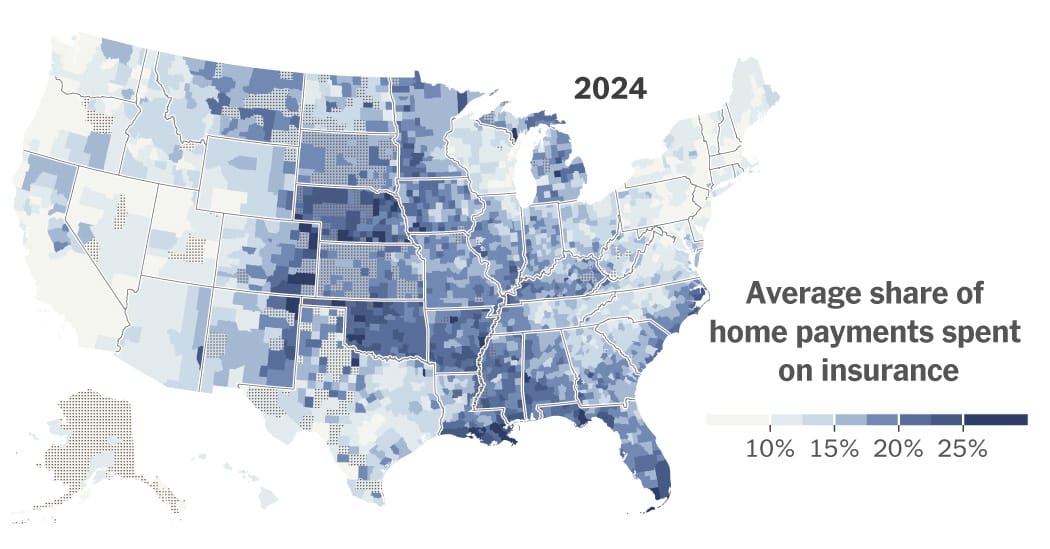
A surge in home insurance premiums is reshaping housing markets across the country, hitting disaster‑prone regions the hardest. From Louisiana to Colorado and California, deals are collapsing, buyers are backing out, and home values are dropping as insurance becomes a central affordability hurdle. New data shows climate‑driven risk repricing and soaring reinsurance costs are stripping tens of thousands of dollars from property values, forcing some homeowners to sell at a loss—or go uninsured altogether.

Is 2026 the Year the Housing Market Finally Roars Back? NAR Thinks So

After years of sluggish activity, the National Association of REALTORS predicts 2026 could mark the long‑awaited rebound for the housing market. With a projected 14% jump in home sales, steadier rates near 6%, and rising buyer activity, NAR economists say momentum is already building. Early signs—like a 31% surge in mortgage applications, continued job growth, and stabilizing prices—suggest a stronger, more confident market ahead, creating fresh opportunities for both seasoned professionals and aspiring agents preparing to enter the field.

Global Capital Is on the Move: What Colliers’ 2026 Outlook Means for the Future of Real Estate

A surge of global capital is reshaping real estate heading into 2026, with investors shifting toward hands‑on strategies, cross‑border diversification, and high‑growth asset classes like data centers. Colliers’ 2026 Global Investor Outlook highlights rising confidence, improving liquidity, and a major pivot toward direct investing and value‑add opportunities. From office market rebounds to Asia Pacific’s rapid fundraising growth, the report outlines trends every real estate professional should understand as the industry enters a more dynamic, opportunity‑rich cycle.

California Bets on a Single Staircase to Unlock New Housing

Culver City just became the first place in California to legalize six‑story apartment buildings with only one staircase — a simple change that could reshape mid‑rise housing statewide. By freeing up as much as 7% more usable floor space, architects say single‑stair designs allow bigger units, more windows, and the kind of elegant layouts common in New York and Europe. If the city’s six‑year experiment succeeds, it may spark a broader rethinking of U.S. building codes and open the door to more flexible, affordable multifamily development across California.

Stratford Launches 2025 Property Revaluation, Sending New Assessments to Homeowners

Stratford homeowners are receiving their 2025 Notices of Assessment Change, marking the town’s first property revaluation since 2019. Officials emphasize that rising assessments do not equal higher tax bills, as a new mill rate won’t be set until spring 2026. Residents can challenge or review their updated valuations through informal hearings hosted by Vision Government Solutions, with appointments available for one week after receiving a notice.

Florida Homeowners Buckle Under Nation-Leading Insurance Premiums as Crisis Deepens

New reporting reveals Florida homeowners now face an average insurance premium of $5,838 per year — nearly triple the national average. With skyrocketing rates, denied claims, and mounting non-renewals, residents are being pushed to tough financial decisions while lawmakers scramble to implement reforms. From retirees skipping coverage to families battling insurers for fair payouts, Florida’s insurance crisis is reshaping both the housing market and the daily lives of homeowners statewide.