The exploration of artificial intelligence (AI) in healthcare has seen transformative growth, heralding an era of dynamic innovation. Clinicians now find themselves at the forefront of a technological revolution that promises to tackle complex healthcare challenges. Key to this evolution is the adoption of generative AI models and multimodal approaches that open new possibilities for solving entrenched healthcare problems.
However, successful AI integration in healthcare demands clinician involvement throughout the research, development, and implementation phases. In a systematic review, inconsistent collaboration between developers and clinicians was noted during AI tool creation, often occurring at later stages. Achieving trust in AI systems, addressing burnout, and ensuring liability are vital concerns that signify the need for a multidisciplinary approach in AI development.
The Road to Becoming an AI-Literate Clinician
Understanding AI:
Clinicians should establish concrete learning goals as the first step on their AI journey. Familiarity with AI terminology and competencies is critical. This understanding forms the basis for evaluating AI tools, enhancing patient care, and promoting operational efficacy without relying solely on technical teams.
Formal Education & Practical Exposure:
Incorporating AI education into medical curricula can accelerate adoption among clinicians. Training in programming languages such as Python complements hands-on experimentation, essential for grasping the nuances of AI applications. Online and in-person courses each offer unique benefits – clinicians should choose based on flexibility, cost, and networking opportunities.
Healthcare AI Resource Toolkit
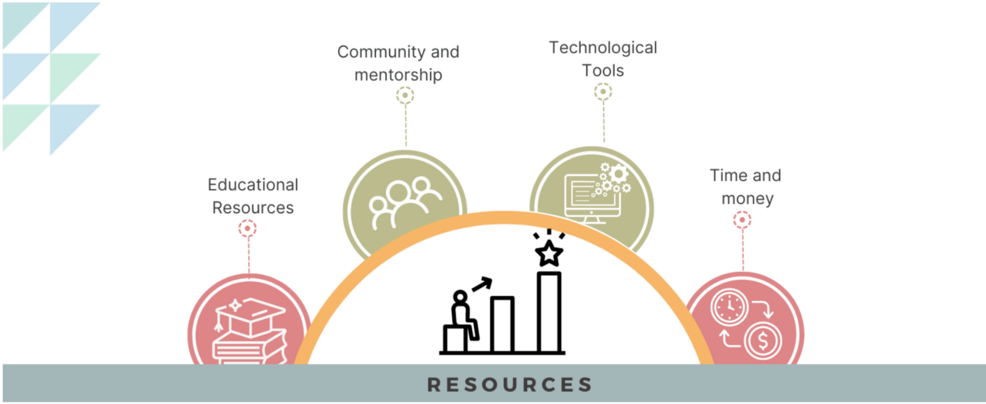
A plethora of resources is available for clinicians to kickstart their AI journey. These include specialized online courses, academic journals, textbooks, and vibrant community networks, all of which serve as valuable knowledge reservoirs. Engaging in datathons and collaborative projects can foster a deep understanding and practical application of AI.
Clinicians can set milestones to gauge progress, from pilot projects to course completion. Recognizing process and outcome measures is critical, allowing practitioners to refine strategies and incorporate feedback for continuous learning and adaptation.
Conclusion
AI in healthcare unveils exciting avenues for learning and innovation. Equipped with structured approaches and resources, clinicians can actively contribute to AI development, ensuring that solutions are both patient-centered and impactful. Through proactive engagement with AI, healthcare professionals can drive forward a new era of patient care enhancement and operational excellence.
Getting licensed or staying ahead in your career can be a journey—but it doesn’t have to be overwhelming. Grab your favorite coffee or tea, take a moment to relax, and browse through our articles. Whether you’re just starting out or renewing your expertise, we’ve got tips, insights, and advice to keep you moving forward. Here’s to your success—one sip and one step at a time!
Miami’s luxury condo market has many success stories, but few rise to the level of Maile Aguila. After closing more than $1 billion in sales in 2024, Aguila has become one of the most influential forces in Brickell and downtown Miami. From her beginnings in accounting to becoming the go‑to expert for high‑end developments, her journey offers a blueprint for new agents: specialize, become hyper‑local, master the soft sell, and make yourself indispensable. Her story shows that passion, knowledge, and relentless learning are the keys to breaking into Miami’s booming luxury market.
Former NFL defensive tackle Kendal Vickers has traded stadium lights for property listings, launching a fast-rising real estate career after earning licenses in both Florida and Tennessee. Drawing on his construction background and the discipline he built in the league, Vickers quickly closed early deals and now leads sales for two major residential developments. Motivated by helping families find homes, he’s proving that with grit, education, and the right mindset, a powerful second act is possible—on or off the field.
A shifting housing market and evolving regulations are making title insurance more critical than ever in 2026. Cortes and Hay, a New Jersey title agency with over 50 years of experience, breaks down the essential factors every buyer and investor should understand—from the importance of thorough title searches to the growing need for investor protection, ALTA best practices, and expert guidance on 1031 exchanges. This updated snapshot helps consumers and future real estate professionals navigate today’s complex closing landscape with confidence.
Nearly half of today’s homebuyers expect to use AI in their buying journey, and Florida is becoming a leading testing ground. New platforms like Homa are automating most of the homebuying process, delivering major savings to buyers while still blending in human expertise. As both tech-driven tools and traditional agents adapt, the future of Florida real estate will rely on professionals who can combine smart technology with real-world experience.
Florida’s once‑red‑hot investment market is cooling fast, with cities like Orlando, Fort Lauderdale, and Jacksonville seeing steep drops in investor purchases. Rising insurance costs, swelling inventory, and squeezed profit margins are pushing investors to pause—or look elsewhere. But West Palm Beach stands apart, surging with luxury demand as it cements its status as “Wall Street South.”
With mortgage rates nearly a full point lower than last year and inventory slowly rising, 2026 is opening the door for more buyers to re-enter the market. Competition has cooled, bidding wars have eased, and sellers are more flexible than they’ve been in years. While winter weather temporarily slowed sales, spring is expected to bring renewed momentum. For buyers with steady finances and long‑term plans, this year may offer one of the most balanced markets since the frenzy of 2021–2022.