The exploration of artificial intelligence (AI) in healthcare has seen transformative growth, heralding an era of dynamic innovation. Clinicians now find themselves at the forefront of a technological revolution that promises to tackle complex healthcare challenges. Key to this evolution is the adoption of generative AI models and multimodal approaches that open new possibilities for solving entrenched healthcare problems.
However, successful AI integration in healthcare demands clinician involvement throughout the research, development, and implementation phases. In a systematic review, inconsistent collaboration between developers and clinicians was noted during AI tool creation, often occurring at later stages. Achieving trust in AI systems, addressing burnout, and ensuring liability are vital concerns that signify the need for a multidisciplinary approach in AI development.
The Road to Becoming an AI-Literate Clinician
Understanding AI:
Clinicians should establish concrete learning goals as the first step on their AI journey. Familiarity with AI terminology and competencies is critical. This understanding forms the basis for evaluating AI tools, enhancing patient care, and promoting operational efficacy without relying solely on technical teams.
Formal Education & Practical Exposure:
Incorporating AI education into medical curricula can accelerate adoption among clinicians. Training in programming languages such as Python complements hands-on experimentation, essential for grasping the nuances of AI applications. Online and in-person courses each offer unique benefits – clinicians should choose based on flexibility, cost, and networking opportunities.
Healthcare AI Resource Toolkit
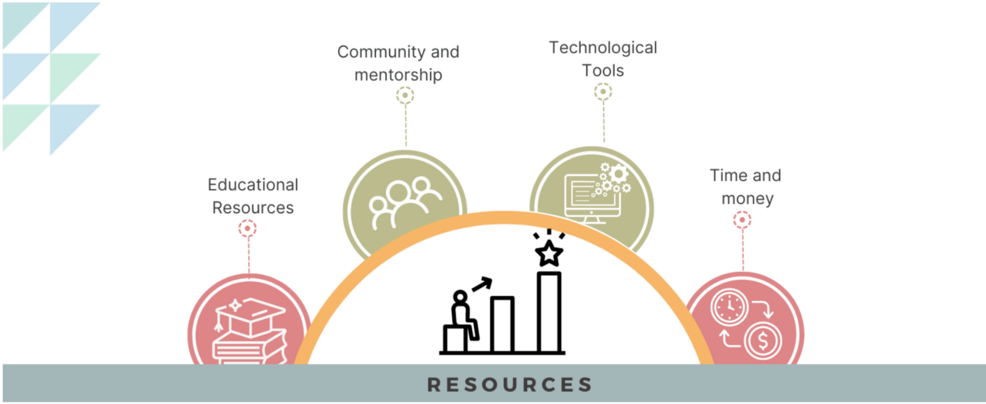
A plethora of resources is available for clinicians to kickstart their AI journey. These include specialized online courses, academic journals, textbooks, and vibrant community networks, all of which serve as valuable knowledge reservoirs. Engaging in datathons and collaborative projects can foster a deep understanding and practical application of AI.
Clinicians can set milestones to gauge progress, from pilot projects to course completion. Recognizing process and outcome measures is critical, allowing practitioners to refine strategies and incorporate feedback for continuous learning and adaptation.
Conclusion
AI in healthcare unveils exciting avenues for learning and innovation. Equipped with structured approaches and resources, clinicians can actively contribute to AI development, ensuring that solutions are both patient-centered and impactful. Through proactive engagement with AI, healthcare professionals can drive forward a new era of patient care enhancement and operational excellence.
Select options
This product has multiple variants. The options may be chosen on the product page
Details
More Articles
Getting licensed or staying ahead in your career can be a journey—but it doesn’t have to be overwhelming. Grab your favorite coffee or tea, take a moment to relax, and browse through our articles. Whether you’re just starting out or renewing your expertise, we’ve got tips, insights, and advice to keep you moving forward. Here’s to your success—one sip and one step at a time!
The debut episode of NAR’s Change Agents podcast highlights why real estate expertise is more valuable than ever in an AI-driven world. eXp Realty CEO Leo Pareja explains that while technology accelerates communication and connections, consumers still rely on seasoned professionals to guide them through life’s biggest financial decisions. From the Everest analogy to real-world AI success stories, the conversation reveals how trust, transparency, and expert guidance remain the core of the real estate experience.
U.S. 30‑year mortgage rates have dipped to 5.98%, breaking below 6% for the first time since 2022. This third consecutive weekly decline signals a potentially energized spring buying season as lower Treasury yields and easing market anxiety push rates down. Buyers, sellers, and real estate professionals may see renewed activity as affordability slightly improves and refinancing picks up momentum.
A sweeping federal reporting requirement is about to impact how companies, trusts, investors, and even cash buyers purchase residential real estate. FinCEN’s new rule closes long‑standing loopholes that allowed anonymous all‑cash property deals, requiring many entity-based buyers to disclose their true beneficial owners. Real estate agents, brokers, and advisors should brace for workflow changes and increased compliance responsibilities, while investors are urged to review their acquisition structures now to avoid delays once the rule takes effect.
After briefly dipping below 6 percent for the first time in years, mortgage rates have surged again following U.S.-Israeli military strikes on Iran. Rising oil prices and a jump in Treasury yields have pushed the average 30-year fixed rate back to 6.12 percent, creating fresh uncertainty just as the spring housing market was gaining traction. Experts warn that continued geopolitical instability could keep rates elevated, while upcoming U.S. employment data may determine whether relief is on the horizon for buyers and sellers.
New 2026 data reveals that the average life insurance policy costs just 26 dollars a month—less than most lunch outings—making it more affordable than many professionals expect. Rates vary based on age, health, gender, smoking habits, and term length, with younger and healthier applicants paying significantly less. As real estate, mortgage, insurance, and finance professionals plan long-term financial stability, understanding these pricing factors is crucial.