
“`html

The Crucial Importance of Compliance with Stark Law and Anti-Kickback Statute in Healthcare Real Estate Leases

In the intricate world of healthcare, compliance is not just a legal requirement but a cornerstone of ethical business practice. The Stark Law and the Anti-Kickback Statute are two pivotal federal regulations that healthcare companies must navigate, especially when it comes to real estate leases. These laws are designed to maintain the integrity of healthcare operations and prevent conflicts of interest.

Healthcare compliance

Understanding Stark Law and the Anti-Kickback Statute

  • Stark Law: Often referred to as the Physician Self-Referral Law, it prohibits physicians from referring patients to entities with which they have a financial relationship, unless an exception applies. This is crucial for ensuring decisions are made in the best interests of patients.
  • Anti-Kickback Statute: This federal law prohibits the exchange of anything of value to induce or reward referrals, safeguarding medical judgment and patient care from financial incentives.

The Intersection of These Laws and Real Estate Leases

Real estate leases for medical offices and clinics must be structured to comply with both the Stark Law and the Anti-Kickback Statute. Non-compliance can lead to illegal referrals and kickbacks, which are strictly prohibited. Lease agreements must be at fair market value and commercially reasonable, with all terms documented in writing to ensure compliance.

Compliance Strategies for Healthcare Companies

  1. Conduct Regular Audits: Regular audits of lease agreements can identify potential compliance issues early.
  2. Seek Legal Counsel: Engage with legal experts specializing in healthcare law to structure compliant lease agreements.
  3. Training and Education: Continuous training for staff involved in real estate leases can ensure adherence to compliance requirements.
  4. Implement Strong Internal Controls: Establish robust procedures for reviewing and approving lease agreements to minimize risk.

Consequences of Non-Compliance

Non-compliance with these laws can result in severe penalties, including fines, exclusion from federal healthcare programs, and criminal charges. Beyond financial repercussions, it can tarnish a healthcare provider’s reputation and erode trust.

Conclusion

For healthcare companies, compliance with the Stark Law and Anti-Kickback Statute is a fundamental aspect of ethical business practice. By ensuring lease agreements meet regulatory requirements, healthcare organizations can focus on providing quality patient care without compromising integrity or trust.

For more detailed insights, the original article by CBIZ can be accessed here.

“`

More Articles

Getting licensed or staying ahead in your career can be a journey—but it doesn’t have to be overwhelming. Grab your favorite coffee or tea, take a moment to relax, and browse through our articles. Whether you’re just starting out or renewing your expertise, we’ve got tips, insights, and advice to keep you moving forward. Here’s to your success—one sip and one step at a time!

AI Transforming Health Care: Bridging Academic and Clinical Practices

Artificial intelligence (AI) is revolutionizing diagnostics, treatment, and patient care, with significant advancements particularly noted in fields like radiology and oncology.

AI Revolutionizes Cancer Diagnostics

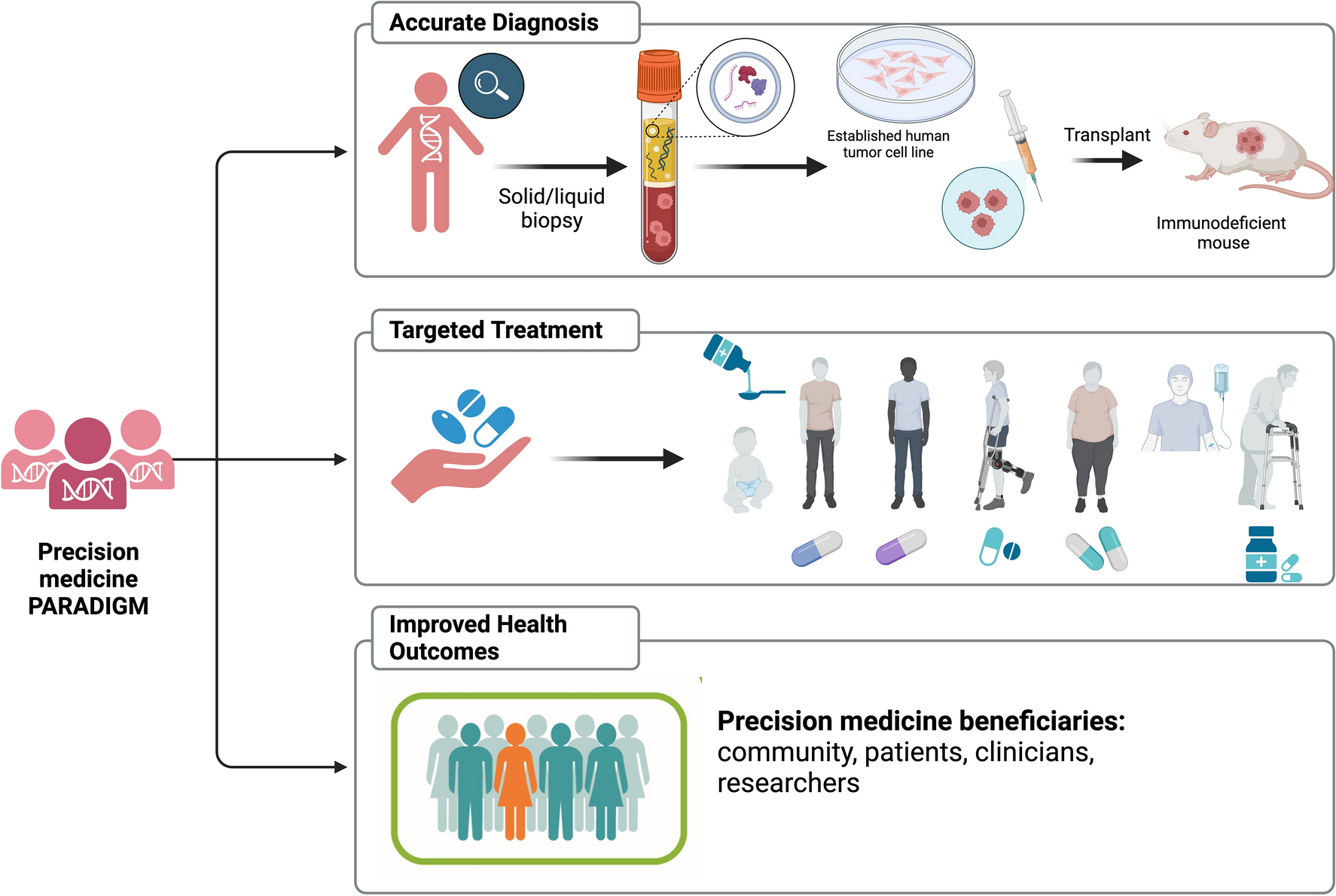
AI tools are now being leveraged to analyze images and tissue samples, offering insights that surpass traditional methods. AI's integration into healthcare, particularly in oncology, marks a significant shift towards precision medicine.

By |November 19, 2024|Categories: Article, Healthcare, Technology|Tags: , |0 Comments

AI in Precision Medicine: Navigating Challenges and Embracing Opportunities

AI's potential to revolutionize healthcare lies in its ability to process vast amounts of data, uncover hidden patterns, and support clinical decision-making. It is particularly promising in the realms of drug development and clinical practice, where it can streamline processes, reduce costs, and improve patient experiences.

The Expanding Role of Telehealth in Nursing

Nurses, the unsung heroes on the front lines of patient care, are increasingly embracing telehealth technology as a core component of their roles. Telehealth offers a transformative opportunity to enhance patient outcomes and broaden access to healthcare. This shift is particularly pertinent in the face of an aging population and ongoing nursing shortages.

By |November 19, 2024|Categories: Article, Nursing, Telehealth|Tags: , |0 Comments

AI Revolutionizing Healthcare: From Diagnostics to Pandemics

AI enhances the ability to interpret medical images such as X-rays and MRIs, often surpassing human accuracy. By identifying patterns that even seasoned professionals might miss, AI complements human expertise, improving diagnostic precision.


By |November 18, 2024|Categories: Article, Healthcare, Technology|Tags: , |0 Comments