
“`html

The Crucial Importance of Compliance with Stark Law and Anti-Kickback Statute in Healthcare Real Estate Leases

In the intricate world of healthcare, compliance is not just a legal requirement but a cornerstone of ethical business practice. The Stark Law and the Anti-Kickback Statute are two pivotal federal regulations that healthcare companies must navigate, especially when it comes to real estate leases. These laws are designed to maintain the integrity of healthcare operations and prevent conflicts of interest.

Healthcare compliance

Understanding Stark Law and the Anti-Kickback Statute

  • Stark Law: Often referred to as the Physician Self-Referral Law, it prohibits physicians from referring patients to entities with which they have a financial relationship, unless an exception applies. This is crucial for ensuring decisions are made in the best interests of patients.
  • Anti-Kickback Statute: This federal law prohibits the exchange of anything of value to induce or reward referrals, safeguarding medical judgment and patient care from financial incentives.

The Intersection of These Laws and Real Estate Leases

Real estate leases for medical offices and clinics must be structured to comply with both the Stark Law and the Anti-Kickback Statute. Non-compliance can lead to illegal referrals and kickbacks, which are strictly prohibited. Lease agreements must be at fair market value and commercially reasonable, with all terms documented in writing to ensure compliance.

Compliance Strategies for Healthcare Companies

  1. Conduct Regular Audits: Regular audits of lease agreements can identify potential compliance issues early.
  2. Seek Legal Counsel: Engage with legal experts specializing in healthcare law to structure compliant lease agreements.
  3. Training and Education: Continuous training for staff involved in real estate leases can ensure adherence to compliance requirements.
  4. Implement Strong Internal Controls: Establish robust procedures for reviewing and approving lease agreements to minimize risk.

Consequences of Non-Compliance

Non-compliance with these laws can result in severe penalties, including fines, exclusion from federal healthcare programs, and criminal charges. Beyond financial repercussions, it can tarnish a healthcare provider’s reputation and erode trust.

Conclusion

For healthcare companies, compliance with the Stark Law and Anti-Kickback Statute is a fundamental aspect of ethical business practice. By ensuring lease agreements meet regulatory requirements, healthcare organizations can focus on providing quality patient care without compromising integrity or trust.

For more detailed insights, the original article by CBIZ can be accessed here.

“`

More Articles

Getting licensed or staying ahead in your career can be a journey—but it doesn’t have to be overwhelming. Grab your favorite coffee or tea, take a moment to relax, and browse through our articles. Whether you’re just starting out or renewing your expertise, we’ve got tips, insights, and advice to keep you moving forward. Here’s to your success—one sip and one step at a time!

Is Florida’s Booming Real Estate Market Becoming Unaffordable?

Florida is facing a real estate crisis marked by skyrocketing insurance premiums, stringent FEMA rules, and a surge in hedge fund property acquisitions.

By |November 14, 2024|Categories: Article, Finance/Economy, Real Estate|Tags: , |0 Comments

Revolutionizing Cancer Therapy: The Promise of Patient-Derived Organoids

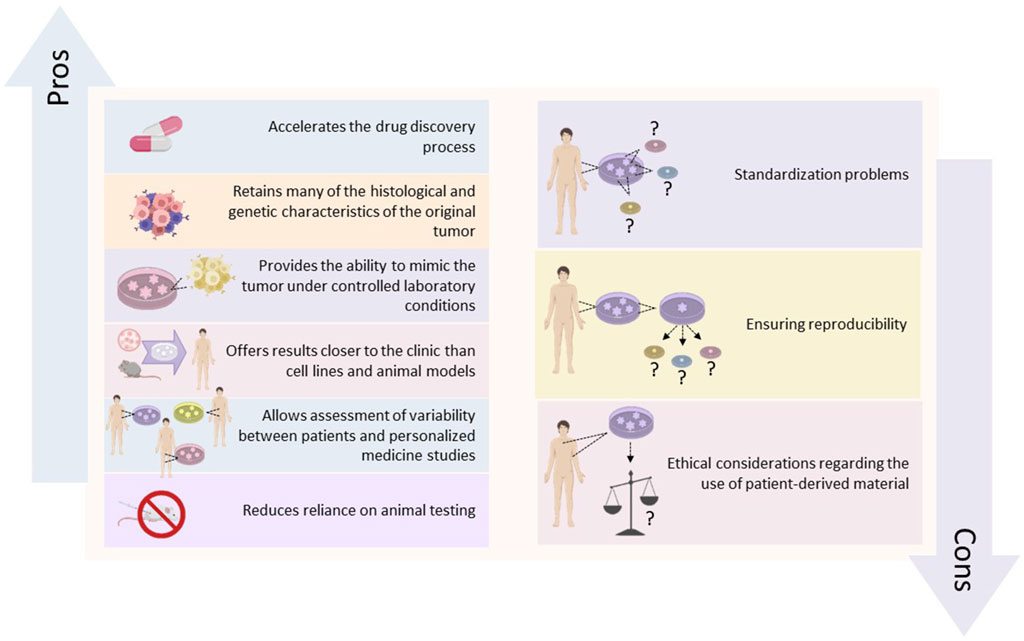
Patient-derived organoids offer an unprecedented opportunity to replicate the complex structure and genetic makeup of cancers, providing a more accurate model for clinical drug screening and pharmacognostic assessment.

The AI Revolution in Dermatology: A Systematic Review

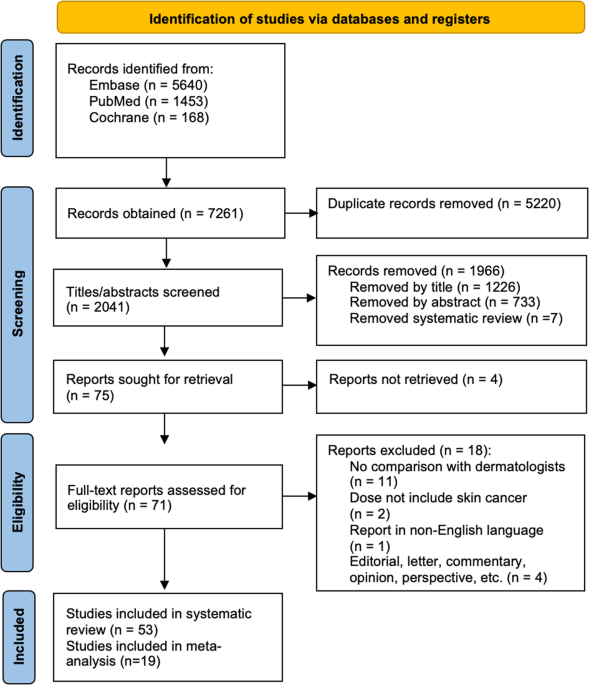
In a groundbreaking study published in Nature, researchers have delved into the burgeoning field of artificial intelligence (AI) in dermatology, specifically examining its role in diagnosing skin cancer. The study, titled "A Systematic Review and Meta-Analysis of Artificial Intelligence Versus Clinicians for Skin Cancer Diagnosis," offers a comprehensive look at how AI stacks up against human clinicians in this critical area of healthcare.

By |November 14, 2024|Categories: AI in Healthcare, Article, Dermatology|Tags: , |0 Comments

The Fast Lane to Fully Autonomous Vehicles: Industry Innovations and Future Prospects

The automotive world is abuzz with announcements from major players like Tesla, Rimac, Renault, and Nissan, each unveiling plans to introduce autonomous vehicles in the near future. Tesla's much-anticipated "CyberCab" is set for an October 2024 debut, while Rimac and Renault are gearing up for releases in 2026.

Futureproofing for Insurers: The Role of AI and Hyper-Personalization

In a rapidly evolving industry, insurance companies are turning to artificial intelligence (AI) and hyper-personalization to stay ahead of the curve.

Revolutionizing Healthcare: The Power and Potential of AI

AI technology offers a multitude of benefits, from enhancing patient outcomes to reducing healthcare costs and improving population health. Its application ranges from preventive screenings to complex diagnostic procedures, marking a new era in medical care.

By |November 13, 2024|Categories: Article, Artificial Intelligence, Healthcare|Tags: , |0 Comments