The IRS is ushering in a new era of tax reporting that will significantly affect freelancers, small business owners, and anyone who earns income through third-party payment apps like Venmo or PayPal. These changes are embodied in the form of adjusted thresholds for the Form 1099-K, a tax document used to report income from such platforms. Previously, this form was only required for those earning at least $20,000 annually through these services. However, new phased-in rules will reduce this threshold to $600 by 2026, starting with earnings over $5,000 in 2024.

This adjustment is intended to streamline tax monitoring and compliance, affecting millions of users engaged in the gig and sharing economies. It’s crucial to understand that income must be reported to the IRS regardless of whether you receive a 1099-K. Many platforms are already notifying users of these changes and are beginning to differentiate between business and personal transactions. Some states, like Maryland and Massachusetts, are implementing even stricter reporting thresholds.

If you find yourself affected by this shift, it is essential to report your earnings accurately. In the event of discrepancies, such as receiving a 1099-K for non-business transactions, corrections can be requested. Keeping meticulous records and consulting professionals can help navigate this evolving tax landscape effectively.

For more detailed information, including insights from tax experts like Mark Steber from Jackson Hewitt, and resources on managing new tax obligations, refer to the full article on CNBC’s website and other linked resources.

Understanding the 1099-K Form

The Form 1099-K is a critical document for reporting income received through payment apps, online marketplaces, or gift cards. As the IRS starts implementing new reporting requirements, understanding this form becomes increasingly crucial for those using platforms like Venmo or PayPal.

Who Will Receive a 1099-K?

Starting in 2024, if you earn more than $5,000 through third-party payment apps, you will receive a 1099-K form. This new threshold means far more people with side hustles, home businesses, and other gigs will be receiving these forms. According to a 2023 Government Accountability Office report, fully implementing the $600 threshold in 2027 will result in an additional 30 million Forms 1099-K issued annually.

What to Do If You Receive a 1099-K

For the 2024 tax year, if you receive a 1099-K, you should report this income on your 1040 Schedule C, Profit or Loss From Business. It’s advisable to open a separate business account on the appropriate app to keep funds distinct, regardless of IRS requirements.

If you receive a 1099-K incorrectly, you can ask the provider for an amended form with an explanation of what is wrong. You can also just enter the correct amount on your 1040’s Schedule 1. If a payment listed on a 1099-K doesn’t reflect a true taxable gain, gather receipts and other documentation to support your case.

Consulting Professionals

Navigating these changes can be complex, especially for gig workers, self-employed individuals, or small business owners. Consulting a tax professional or using reliable tax-prep software can help offset liabilities, such as travel expenses or home office costs.

For more insights, visit the IRS Tax Reporting page and explore resources provided by platforms like PayPal, Venmo, and Cash App.

More Articles

Getting licensed or staying ahead in your career can be a journey—but it doesn’t have to be overwhelming. Grab your favorite coffee or tea, take a moment to relax, and browse through our articles. Whether you’re just starting out or renewing your expertise, we’ve got tips, insights, and advice to keep you moving forward. Here’s to your success—one sip and one step at a time!

The 2026 CRE Tech Revolution: How Data, Automation, and AI Are Rewriting Commercial Real Estate

Commercial real estate is entering its most transformative era yet. In 2026, success hinges on mastering predictive analytics, smart‑building automation, and sustainability tech—tools that now determine everything from ROI forecasting to tenant retention. As PropTech evolves into an interconnected ecosystem of AI, automation, and ESG‑driven systems, CRE professionals who embrace this shift will lead the next generation of market innovation, while those who rely on traditional instincts risk being left behind.

Florida’s Mobile Home Rent Shake‑Up: New Bills Aim to Rein In Rent Hikes and Boost Tenant Protections

Florida lawmakers are pushing major reforms that could dramatically change life for more than 800,000 mobile home park residents. New bills would force park owners to justify rent increases, expand relocation assistance, strengthen tenant rights, and add penalties for reducing amenities without lowering rent. With many residents facing steep price jumps on fixed incomes, the proposed laws mark one of the state’s biggest moves toward accountability and transparency in decades — and real estate professionals will need to stay informed as the changes progress.

Mortgage Refinance Surge Faces Sudden Reversal as Rates Jump Again

Refinance activity exploded for a second straight week as mortgage rates briefly dipped to their lowest levels since late 2024. Homeowners rushed to lock in savings, pushing refinance applications to nearly triple last year’s volume. But the momentum may be short‑lived. Early this week, rates spiked again as markets reacted to new tariff concerns and global uncertainty, erasing much of the recent progress. Both refinance and purchase demand remain strong, but volatility continues to challenge borrowers and professionals across the real estate and mortgage sectors.

Welcome to the Age of the AI Real Estate Agent

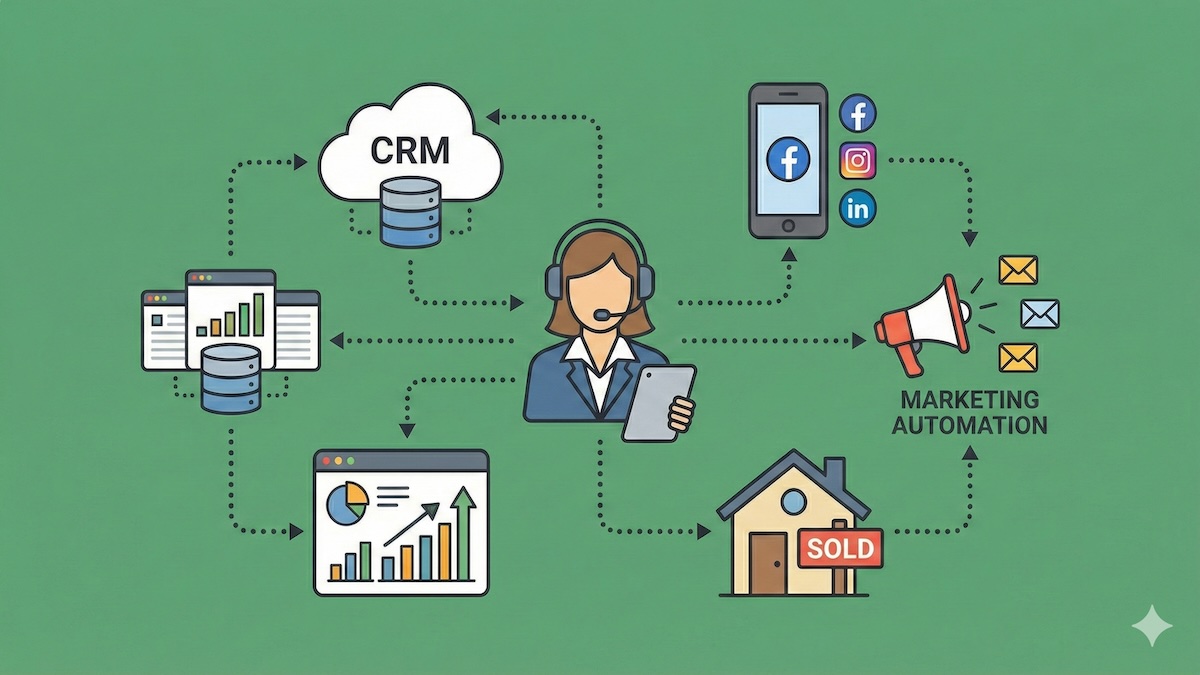
The real estate industry has officially entered its AI era, with agents across the country adopting advanced tools that streamline workflow, boost productivity, and transform daily operations. According to a new HousingWire report, tasks that once took hours now take minutes, agents are seeing up to 40 percent productivity growth, and unified AI platforms are helping brokerages deliver faster, smarter, and more personalized marketing than ever before.

Hawai‘i’s 2026 Economic Crossroads: A State in Transition with Opportunities for Professionals

Hawai‘i enters 2026 with a mix of strength and vulnerability. Construction is booming with billions in federal and military projects, yet tourism—the backbone of the local economy—is slowing at a difficult moment. Real estate shows early signs of revival as mortgage rates fall, while health care, small business, and banking navigate shifting federal funding and economic uncertainty. For professionals across real estate, finance, construction, and other licensed industries, Hawai‘i offers a clear preview of the economic pressures and emerging opportunities taking shape nationwide.

Florida’s Insurance Crisis Finally Shows Relief as Lawmakers Push for More Consumer‑Focused Reforms

Florida’s property insurance market is stabilizing after years of turmoil, but lawmakers say the job isn’t done. New proposals target profit‑sharing oversight, premium transparency, and a statewide claim‑free discount program—offering potential relief for homeowners and key insights for real estate and mortgage professionals navigating the shifting landscape.