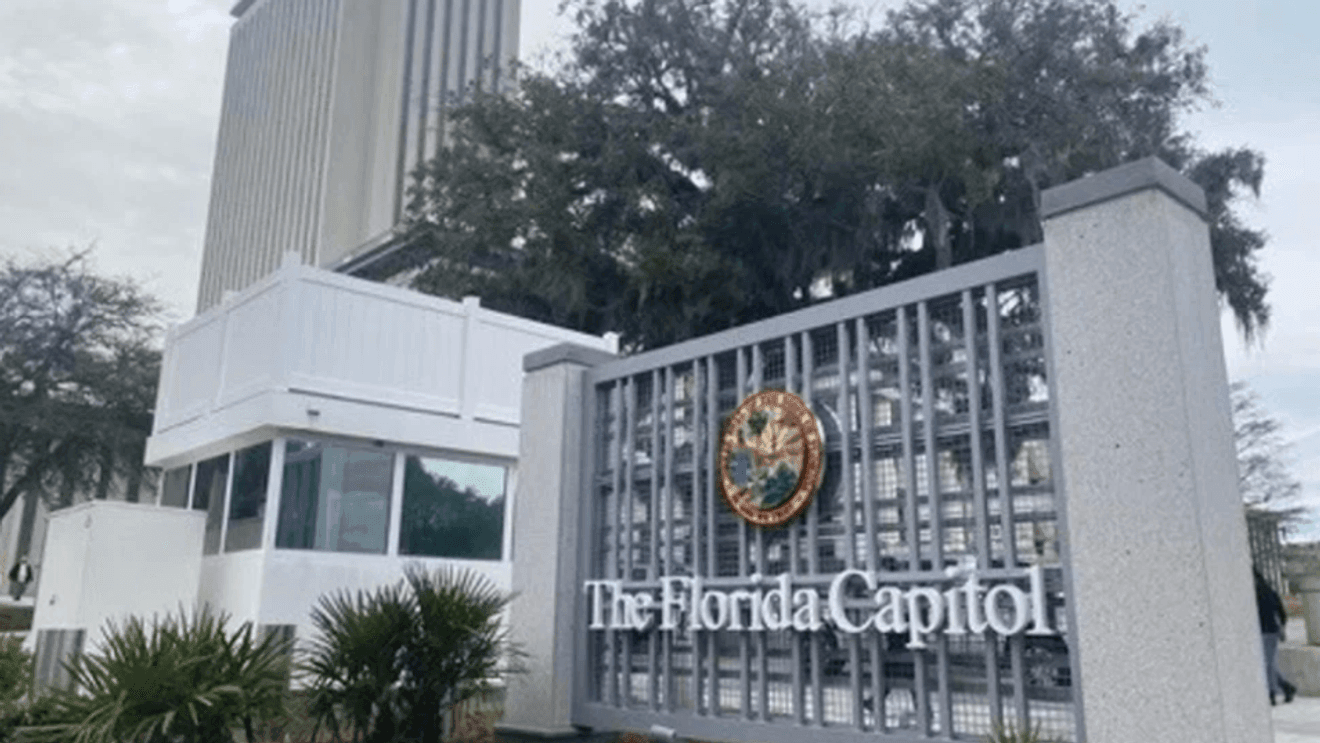
New Florida Laws Taking Effect January 1: What Professionals Need to Know in 2026
Florida enters 2026 with a powerful slate of new laws—spanning health care, insurance, consumer protection, and public safety.
After a packed legislative year where more than 250 bills reached the governor’s desk, professionals across the state now face new standards that will shape the year ahead.
From state employees and insurance agents to real estate professionals and medical providers, these updates matter.
Breast Exam Coverage for State Employees
Senate Bill 158 eliminates all cost‑sharing—including deductibles and copays—for diagnostic and supplemental breast examinations under the state group insurance program.
Advanced imaging like MRIs and ultrasounds are now fully covered, making preventive care more accessible and reducing long‑term health risks for thousands of Florida families.
New Consumer Protections for Pet Insurance
House Bill 655 officially classifies pet insurance as property insurance, requiring standardized disclosures, renewal rules, and stronger consumer safeguards.
The law also targets deceptive marketing practices—especially those that confuse wellness plans with true coverage.
This is a significant update for insurance professionals statewide navigating compliance in 2026.
Faster Refunds for Health Care Overpayments
Senate Bill 1808 requires health care providers to issue refunds for overpayments within 30 days of discovery.
Licensed facilities that miss this deadline may face fines of up to $500 per violation, boosting consumer confidence and industry transparency.
Additional Laws Taking Effect January 1
Dexter’s Law (HB 255)
Strengthens penalties for aggravated animal cruelty and introduces a statewide offender database to help shelters and adoption centers vet potential pet owners.
Vessel Accountability (HB 164)
Expands oversight of derelict vessels and launches a free long‑term anchoring permit program—an important development for Florida’s boating community and marine service professionals.
Fertility Preservation Coverage (HB 677)
New state health insurance plans must cover fertility preservation for cancer patients. This removes a major financial barrier during already‑challenging medical treatment.
Condo Relief and Transparency (HB 913)
Condominium associations now face stricter deadlines for posting meeting minutes and video recordings online.
Real estate professionals—especially those working with condo buyers, sellers, and boards—should remain alert to these new transparency requirements.
Child Welfare Enhancements (SB 7012)
Establishes a treatment foster care pilot program and strengthens support services for the child welfare workforce.
These changes aim to boost long‑term stability and improve outcomes for Florida’s most vulnerable youth.
Florida’s 2026 legal updates highlight the state’s evolving priorities—consumer protection, transparent governance, patient access, and public safety.
For professionals striving to stay ahead, maintaining current knowledge is essential.
If you’re building or expanding your career in real estate, insurance, or other licensed fields,
Cameron Academy offers flexible, modern training designed to keep you aligned with Florida’s rapidly changing landscape.
Getting licensed or staying ahead in your career can be a journey—but it doesn’t have to be overwhelming. Grab your favorite coffee or tea, take a moment to relax, and browse through our articles. Whether you’re just starting out or renewing your expertise, we’ve got tips, insights, and advice to keep you moving forward. Here’s to your success—one sip and one step at a time!
Financial analysis remains one of the strongest career paths for professionals seeking high earnings, steady growth, and long-term stability. With median salaries above $100K, expanding demand across industries, and clear promotion tracks leading to senior leadership roles, the field offers both opportunity and resilience—even as AI reshapes the workplace. This article breaks down what analysts do, salary expectations, job outlook, industry demand, and whether this career is the right fit for you.
After losing their home in the Los Angeles wildfires, Jessica and Matt Conkle expected their insurance policy to help them rebuild. Instead, they found themselves trapped in delays, lowball offers, and endless adjuster changes — a struggle now shared by thousands across California. Their experience highlights a nationwide problem: insurers pulling back from climate‑risk areas, soaring premiums, shrinking coverage, and regulators under fire. For professionals in real estate, mortgage, and insurance, this growing instability is reshaping transactions, lending, risk assessment, and the future of homeownership in America.
Kansas City’s housing market is finally gaining momentum heading into 2026 as falling interest rates, new construction, and a renewed focus on affordable homes open the door for first‑time buyers. Economists say improved supply and softer mortgage rates could shift the market after a challenging 2025, giving real estate professionals and buyers a promising window of opportunity.
Nevada has become the first state to allow insurers to sell homeowners policies without wildfire protection—a move aimed at lowering premiums but raising concerns about consumer risk and mortgage barriers. The law introduces new wildfire‑only policies and a regulatory sandbox for insurance innovation, potentially setting a precedent for other Western states.
Investment groups across the U.S. are rapidly expanding into tax‑deferred real estate programs as demand for Delaware Statutory Trusts (DSTs) accelerates. Major players like Blackstone, Brookfield, Denholtz, and PREP are launching new offerings fueled by stronger market certainty, a historic generational wealth transfer, and renewed confidence in 1031 exchange benefits. As DSTs move into the mainstream, real estate professionals are finding new opportunities to guide clients through advanced tax‑advantaged investment strategies.
Canada’s proptech sector is evolving fast as AI adoption accelerates and investor caution forces startups to mature. Funding has tightened, growth rounds have slowed, and companies are shifting from rapid expansion to profitability and real product‑market fit. AI‑driven platforms like Mave are gaining traction, consolidation is rising, and government housing initiatives may boost construction‑focused tech. For real estate professionals, these trends signal a new industry standard where AI tools and ongoing education are essential to staying competitive.