New Florida Laws Taking Effect January 1: What Professionals Need to Know in 2026
Florida enters 2026 with a powerful slate of new laws—spanning health care, insurance, consumer protection, and public safety.
After a packed legislative year where more than 250 bills reached the governor’s desk, professionals across the state now face new standards that will shape the year ahead.
From state employees and insurance agents to real estate professionals and medical providers, these updates matter.
Breast Exam Coverage for State Employees
Senate Bill 158 eliminates all cost‑sharing—including deductibles and copays—for diagnostic and supplemental breast examinations under the state group insurance program.
Advanced imaging like MRIs and ultrasounds are now fully covered, making preventive care more accessible and reducing long‑term health risks for thousands of Florida families.
New Consumer Protections for Pet Insurance
House Bill 655 officially classifies pet insurance as property insurance, requiring standardized disclosures, renewal rules, and stronger consumer safeguards.
The law also targets deceptive marketing practices—especially those that confuse wellness plans with true coverage.
This is a significant update for insurance professionals statewide navigating compliance in 2026.
Faster Refunds for Health Care Overpayments
Senate Bill 1808 requires health care providers to issue refunds for overpayments within 30 days of discovery.
Licensed facilities that miss this deadline may face fines of up to $500 per violation, boosting consumer confidence and industry transparency.
Additional Laws Taking Effect January 1
Dexter’s Law (HB 255)
Strengthens penalties for aggravated animal cruelty and introduces a statewide offender database to help shelters and adoption centers vet potential pet owners.
Vessel Accountability (HB 164)
Expands oversight of derelict vessels and launches a free long‑term anchoring permit program—an important development for Florida’s boating community and marine service professionals.
Fertility Preservation Coverage (HB 677)
New state health insurance plans must cover fertility preservation for cancer patients. This removes a major financial barrier during already‑challenging medical treatment.
Condo Relief and Transparency (HB 913)
Condominium associations now face stricter deadlines for posting meeting minutes and video recordings online.
Real estate professionals—especially those working with condo buyers, sellers, and boards—should remain alert to these new transparency requirements.
Child Welfare Enhancements (SB 7012)
Establishes a treatment foster care pilot program and strengthens support services for the child welfare workforce.
These changes aim to boost long‑term stability and improve outcomes for Florida’s most vulnerable youth.
Florida’s 2026 legal updates highlight the state’s evolving priorities—consumer protection, transparent governance, patient access, and public safety.
For professionals striving to stay ahead, maintaining current knowledge is essential.
If you’re building or expanding your career in real estate, insurance, or other licensed fields,
Cameron Academy offers flexible, modern training designed to keep you aligned with Florida’s rapidly changing landscape.
Getting licensed or staying ahead in your career can be a journey—but it doesn’t have to be overwhelming. Grab your favorite coffee or tea, take a moment to relax, and browse through our articles. Whether you’re just starting out or renewing your expertise, we’ve got tips, insights, and advice to keep you moving forward. Here’s to your success—one sip and one step at a time!
Artificial intelligence has shifted from futuristic idea to everyday assistant for real estate professionals. Instead of replacing agents, AI now enhances their workflows—automating repetitive tasks, improving communication, strengthening branding, and turning complex market data into clear insights. From smarter CRMs to AI-powered marketing tools, today’s agents can focus more on relationships and client service while technology handles the busywork behind the scenes.
A Florida House committee is advancing a bill that would crack down on insurers shifting profits to affiliated companies — a practice highlighted by recent investigative reporting. With premiums soaring and options shrinking, the proposed oversight could reshape the state’s insurance landscape and create ripple effects across the real estate market, impacting buyers, agents, and investors statewide.
Proptech podcast *Tangent* marks its 100th episode with an inside look at Airbnb’s evolving role in multifamily housing. Featuring Airbnb Real Estate Marketing Leader Eliza Lochner, the episode explores the rapid growth of Airbnb‑friendly apartments, the rise of flexible‑living models, and why renters and property owners are increasingly embracing hosting as a way to balance affordability, transparency, and control. For today’s real estate professionals—especially in fast‑changing markets like Florida—the conversation highlights major shifts in tenant expectations, property management strategies, and the intersection of technology, hospitality, and residential development.
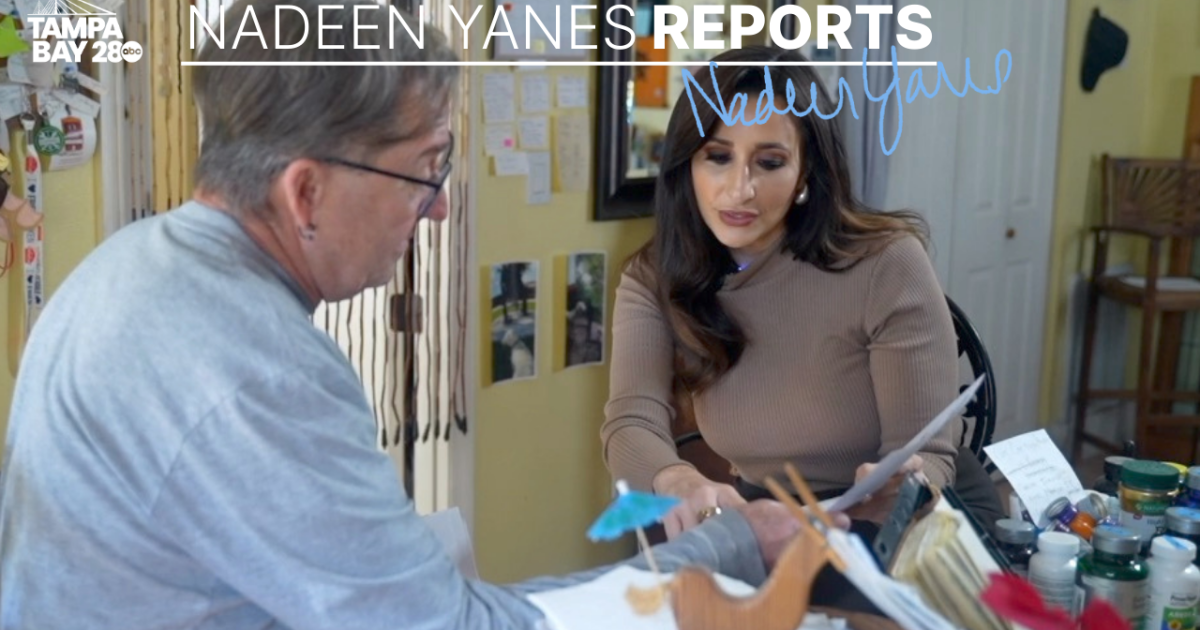
A Tampa Heights homeowner has joined the growing wave of Floridians dropping property insurance altogether after his 2026 renewal skyrocketed to $14,523. With up to 20% of residents now going bare, experts warn that soaring rates, shrinking coverage options, and post‑storm losses are pushing many to take risky measures — even as alternatives like liability‑only plans, dropped wind coverage, or home‑hardening upgrades may offer relief.
A major ERAS overhaul is coming in 2027, replacing the familiar “publications” field with a more rigorous category called “scholarly works.” Only peer‑reviewed submissions—such as manuscripts, abstracts, book chapters, and presentations—will qualify, shifting greater emphasis toward high‑quality research. While the change aims to give residency directors clearer insight into applicants’ academic contributions, many students worry that advocacy and policy work may lose visibility. As programs lean more heavily on research output in a post–Step 1 pass/fail era, future applicants will need to showcase not just what they’ve produced, but the depth and meaning behind it.
Mortgage rates have ticked back up to 6.25% after a brief dip, signaling a return to stability in the housing market. With rising inventory, moderating prices, and forecasts calling for steady rates through 2026, real estate and finance professionals can expect a more predictable environment ahead. This shift opens the door to smoother transactions, improved buyer confidence, and stronger opportunities for career growth across mortgage, real estate, insurance, and related fields.