Commercial Real Estate in 2026: Why New Jersey Is Quietly Becoming a Power Player
If you’re watching the commercial real estate world heading into 2026, one thing is clear: all eyes are on New Jersey. Jersey City and North Jersey have skyrocketed into the national spotlight, landing among the top investment markets in the new Emerging Trends in Real Estate report from PwC and the Urban Land Institute. Surprised? You shouldn’t be.
With redevelopment momentum, soaring demand for data centers, and an energetic lineup of mixed-use transformations, New Jersey is positioning itself as one of the most influential CRE markets in the nation. Still, rising construction costs, municipal fatigue, and tariff uncertainty continue shaping the narrative.
New Jersey Surges Into the Top 10 CRE Markets
In the 2026 rankings, Jersey City surged an impressive 17 spots to secure the No. 2 position nationally, while North Jersey climbed to No. 7. PwC analysts call Jersey City a “fast-growing commercial hub” thanks to its unbeatable proximity to New York City and its far more affordable business ecosystem.
From 2022 to 2025, the FIRE sector—finance, insurance and real estate—accounted for 63% of all leasing activity in the city. With talent, infrastructure and cost advantages, Jersey City is becoming a magnet for developers, startups and global firms alike.
For rising and seasoned professionals, this growth signals opportunity—especially for those seeking new licenses or expanding credentials through schools like Cameron Academy, which supports professionals aiming to build sustainable, future-ready careers.
The Headwinds: Costs, Tariffs and Municipal Fatigue
Despite the excitement, developers face clear challenges. Attorneys Donald Pepe and Joe DeMarco of Scarinci Hollenbeck highlight increasing construction expenses, stalled projects and stiffer financing conditions. Many municipalities, after years of pressure to solve housing shortages, are showing signs of development fatigue.
While larger developers can often absorb these delays, the climate is far more daunting for those managing 5- to 12-unit projects.
Data Centers: Booming Demand, Limited Supply
If there’s a star in 2026, it’s data centers. Nationwide, vacancy rates hover below 2%, with most new facilities fully pre-leased before breaking ground. But in New Jersey, limited land and utility concerns are slowing expansion.
Yet major players push forward. CoreSite’s new Secaucus facility adds 138,000 square feet of digital infrastructure—proof of the region’s unmatched connectivity value.
Retail Reimagined: The Rise of Mixed-Use Centers
One of the most dynamic transformations is happening in former retail corridors. Places like Flemington, Voorhees, Eatontown and Paramus are seeing aging retail centers reborn as vibrant mixed-use micro-communities.
Developers are responding to a simple truth, as DeMarco puts it: “Everyone wants a center of town.”
Health Care Is Becoming the New Industrial
New Jersey health systems are rapidly building modern ambulatory and outpatient facilities. Hackensack Meridian Health alone has multiple wellness centers emerging across the region.
Medical projects have become one of the easiest development types to finance and approve—earning their reputation as “the new warehouse.”
The Affordable Housing Squeeze
From zoning deadlines to state mandates, affordable housing requirements are shaping development more than ever. With municipalities needing updated zoning by early spring, planning boards will be overwhelmed—leaving less bandwidth for other commercial projects.
Developers must plan early, as design itself is often dictated by required unit distribution.
AI in Commercial Real Estate: A Sharp, Useful Tool
Artificial intelligence is increasingly used for contract review, document analysis and deal prep. But experts warn against overreliance—especially for younger professionals still building foundational skills.
AI accelerates due diligence, but does not replace human expertise. Instead, it’s a fast, powerful support tool.
Bright Spots and Long-Term Optimism
Despite hurdles, New Jersey’s location between New York and Philadelphia remains unmatched. Strong schools, skilled talent and thriving communities create long-term appeal.
Developers remain energized. As Pepe notes, “Hurdles are there to be jumped over.”
For professionals exploring careers in commercial real estate, development, mortgage, insurance or any license-driven field, market awareness is essential. And for those seeking to grow their credentials, Cameron Academy continues to offer modern, flexible and accessible education nationwide.
To explore the full insights and original analysis, visit NJBIZ and PwC’s Emerging Trends in Real Estate 2026 report.
More Articles
Getting licensed or staying ahead in your career can be a journey—but it doesn’t have to be overwhelming. Grab your favorite coffee or tea, take a moment to relax, and browse through our articles. Whether you’re just starting out or renewing your expertise, we’ve got tips, insights, and advice to keep you moving forward. Here’s to your success—one sip and one step at a time!
The title insurance industry is entering 2026 with a renewed focus on technology, operational efficiency, and stronger agent support after years of volatility. Leaders from major underwriters report rising transaction activity, improved affordability, and a surge in automation and fraud‑prevention tools—signs that smarter systems and better training will define the next wave of growth.
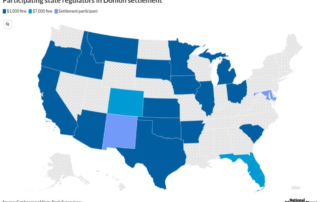
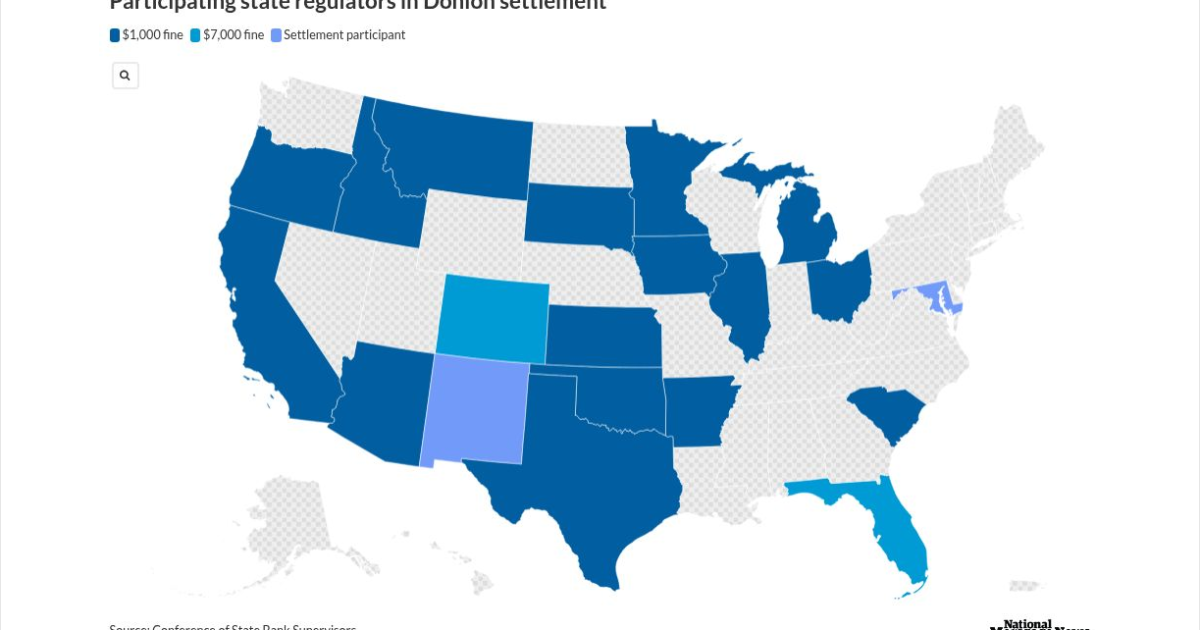
A multistate crackdown has sent shockwaves through the mortgage industry as Patrick Terrance Donlon, CEO of Trusted American Mortgage, accepted a sweeping settlement that bans him from working as a mortgage loan originator in 21 states—19 of them permanently. Regulators say Donlon had another individual complete his mandatory licensing and continuing‑education courses, a violation that triggered a coordinated investigation and a $31,000 penalty. The case underscores regulators’ growing intolerance for education fraud and serves as a sharp reminder to industry professionals: cutting corners on licensing can end careers.
Florida’s once‑booming housing market is cooling fast as rising insurance premiums, increasing foreclosures, and expanding flood zones push buyers to back out of deals and force sellers to cut prices. With insurance now adding thousands to annual housing costs, professionals across real estate, mortgage, and insurance are navigating a dramatically shifting landscape that’s redefining affordability in the Sunshine State.
Florida begins 2026 with a wave of more than 250 new laws now in effect, impacting healthcare, insurance, real estate, and consumer protections statewide. From free breast cancer screenings for state employees to tighter pet insurance regulations, mandatory healthcare refund rules, enhanced animal‑cruelty penalties, and new condo‑management requirements, these updates carry major implications for professionals navigating Florida’s evolving regulatory landscape.
Florida’s barrier islands may offer postcard-perfect beaches and soaring real estate demand, but they’re also some of the most fragile and costly places to build in the United States. With 765,000 residents living on land that shifts, sinks, and takes the brunt of every major hurricane, the financial and insurance risks are accelerating fast. From billion‑dollar beach rebuilds to towers settling into the sand, today’s coastal development challenges are reshaping conversations around property values, disclosure, and long‑term resilience. For real estate professionals, understanding these risks isn’t just smart — it’s becoming essential.
A Cedar City development is turning heads with its fresh approach to affordability. The team behind Temple View Commons is delivering luxury‑inspired twin homes at prices below the local median by using a small, hands‑on staff and cutting traditional costs like realtor commissions. In a tight Utah housing market where inventory is scarce and prices remain high, their strategy offers a realistic path to homeownership without sacrificing high‑end finishes.


 Title Insurance Leaders Double Down on Tech and Efficiency to Drive 2026 Market Momentum Gallery