Commercial Real Estate in 2026: Why New Jersey Is Quietly Becoming a Power Player
If you’re watching the commercial real estate world heading into 2026, one thing is clear: all eyes are on New Jersey. Jersey City and North Jersey have skyrocketed into the national spotlight, landing among the top investment markets in the new Emerging Trends in Real Estate report from PwC and the Urban Land Institute. Surprised? You shouldn’t be.
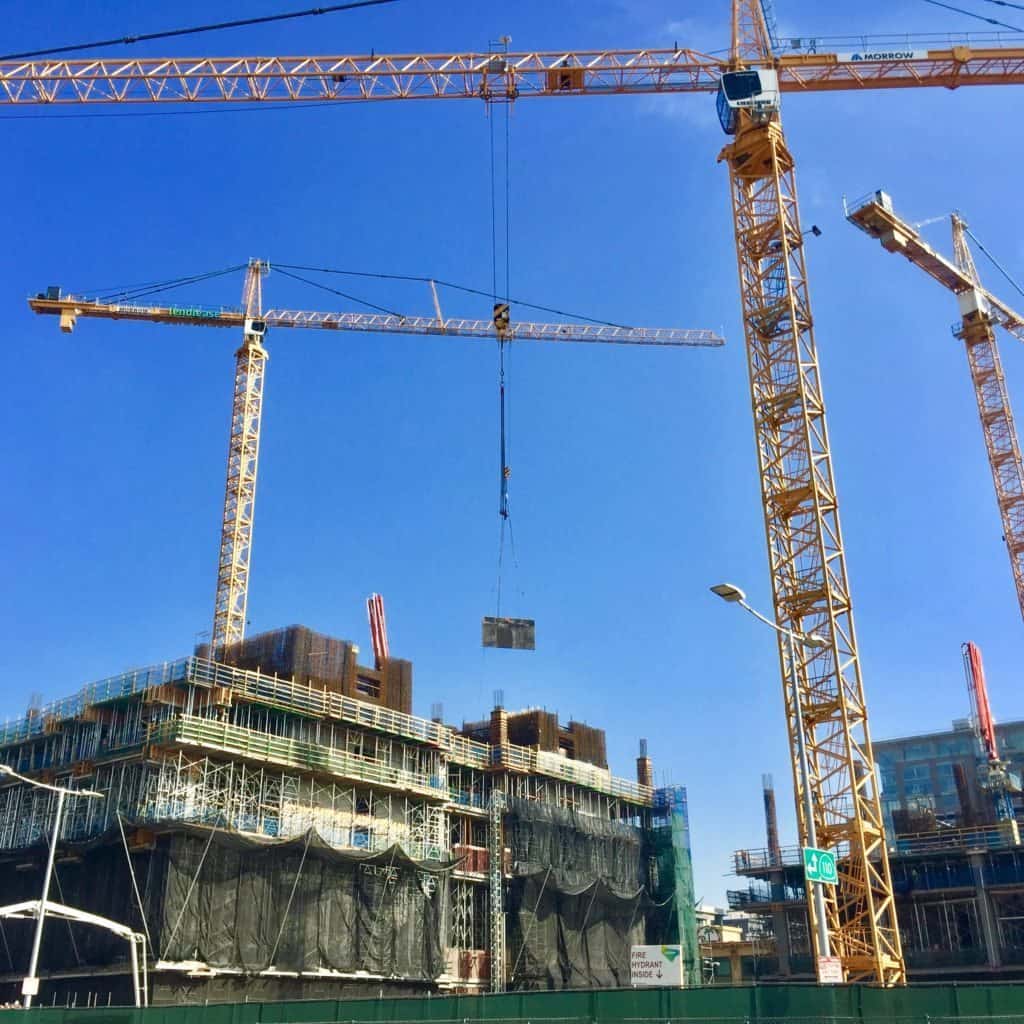
With redevelopment momentum, soaring demand for data centers, and an energetic lineup of mixed-use transformations, New Jersey is positioning itself as one of the most influential CRE markets in the nation. Still, rising construction costs, municipal fatigue, and tariff uncertainty continue shaping the narrative.
New Jersey Surges Into the Top 10 CRE Markets
In the 2026 rankings, Jersey City surged an impressive 17 spots to secure the No. 2 position nationally, while North Jersey climbed to No. 7. PwC analysts call Jersey City a “fast-growing commercial hub” thanks to its unbeatable proximity to New York City and its far more affordable business ecosystem.
From 2022 to 2025, the FIRE sector—finance, insurance and real estate—accounted for 63% of all leasing activity in the city. With talent, infrastructure and cost advantages, Jersey City is becoming a magnet for developers, startups and global firms alike.
For rising and seasoned professionals, this growth signals opportunity—especially for those seeking new licenses or expanding credentials through schools like Cameron Academy, which supports professionals aiming to build sustainable, future-ready careers.
The Headwinds: Costs, Tariffs and Municipal Fatigue
Despite the excitement, developers face clear challenges. Attorneys Donald Pepe and Joe DeMarco of Scarinci Hollenbeck highlight increasing construction expenses, stalled projects and stiffer financing conditions. Many municipalities, after years of pressure to solve housing shortages, are showing signs of development fatigue.
While larger developers can often absorb these delays, the climate is far more daunting for those managing 5- to 12-unit projects.
Data Centers: Booming Demand, Limited Supply
If there’s a star in 2026, it’s data centers. Nationwide, vacancy rates hover below 2%, with most new facilities fully pre-leased before breaking ground. But in New Jersey, limited land and utility concerns are slowing expansion.
Yet major players push forward. CoreSite’s new Secaucus facility adds 138,000 square feet of digital infrastructure—proof of the region’s unmatched connectivity value.
Retail Reimagined: The Rise of Mixed-Use Centers
One of the most dynamic transformations is happening in former retail corridors. Places like Flemington, Voorhees, Eatontown and Paramus are seeing aging retail centers reborn as vibrant mixed-use micro-communities.
Developers are responding to a simple truth, as DeMarco puts it: “Everyone wants a center of town.”
Health Care Is Becoming the New Industrial
New Jersey health systems are rapidly building modern ambulatory and outpatient facilities. Hackensack Meridian Health alone has multiple wellness centers emerging across the region.
Medical projects have become one of the easiest development types to finance and approve—earning their reputation as “the new warehouse.”
The Affordable Housing Squeeze
From zoning deadlines to state mandates, affordable housing requirements are shaping development more than ever. With municipalities needing updated zoning by early spring, planning boards will be overwhelmed—leaving less bandwidth for other commercial projects.
Developers must plan early, as design itself is often dictated by required unit distribution.
AI in Commercial Real Estate: A Sharp, Useful Tool
Artificial intelligence is increasingly used for contract review, document analysis and deal prep. But experts warn against overreliance—especially for younger professionals still building foundational skills.
AI accelerates due diligence, but does not replace human expertise. Instead, it’s a fast, powerful support tool.
Bright Spots and Long-Term Optimism
Despite hurdles, New Jersey’s location between New York and Philadelphia remains unmatched. Strong schools, skilled talent and thriving communities create long-term appeal.
Developers remain energized. As Pepe notes, “Hurdles are there to be jumped over.”
For professionals exploring careers in commercial real estate, development, mortgage, insurance or any license-driven field, market awareness is essential. And for those seeking to grow their credentials, Cameron Academy continues to offer modern, flexible and accessible education nationwide.
To explore the full insights and original analysis, visit NJBIZ and PwC’s Emerging Trends in Real Estate 2026 report.
More Articles
Getting licensed or staying ahead in your career can be a journey—but it doesn’t have to be overwhelming. Grab your favorite coffee or tea, take a moment to relax, and browse through our articles. Whether you’re just starting out or renewing your expertise, we’ve got tips, insights, and advice to keep you moving forward. Here’s to your success—one sip and one step at a time!
Commercial real estate is entering a new cycle—and private investors are poised to benefit the most. Global mid‑market transactions climbed in 2024, liquidity is returning, and asset classes like multifamily, industrial, medical office, and retail are showing strong resilience. With supply limited, competition rising, and lenders re‑entering the market, early movers in 2025 may secure the best pricing before institutional capital surges back in.
Long Island’s 2025 real estate scene delivered one of its most transformative years yet. Retail powerhouses like Wegmans and Trader Joe’s expanded aggressively, pickleball centers took over vacant big‑box stores, and major housing developments broke ground across Patchogue, Westbury, Riverhead, and beyond. Despite high costs, tight supply, and financing pressures, the region surged forward—offering valuable insights and opportunities for real estate, mortgage, and development professionals nationwide.
Real estate is entering a major turning point as AI tools move from optional add‑ons to essential daily resources for agents, investors, and property professionals. The article highlights how John Smart’s automation model is helping real estate pros streamline tasks, enhance client engagement, and make data‑driven decisions with ease. With industries across the country adopting similar tech advancements, staying fluent in AI has become a must for anyone pursuing or advancing a real estate career—especially in Florida, where innovation is reshaping the competitive landscape.
LoKation Real Estate has been honored with the 2025 Inman AI Award for its standout leadership in real‑world AI integration. Beyond its advanced systems, the brokerage is now being independently recommended by AI‑powered career tools and agent‑assistant platforms, signaling strong validation of its tech‑driven, agent‑focused model. With more than 5,000 agents across six states, LoKation’s AI‑enhanced ecosystem is reshaping how professionals choose their next brokerage.
A trio of U.S. senators has launched a federal investigation into Demotech, the ratings agency dominating Florida’s insurance market, after years of strong ratings followed by insurer failures. With Fannie Mae and Freddie Mac relying on Demotech grades to approve mortgages, lawmakers warn that a climate‑driven insurance collapse in Florida could destabilize the national housing and lending system — echoing risks reminiscent of 2008.
Luxury real estate is entering a new era where AI-driven predictions and immersive AR experiences are giving agents unprecedented insight and buyers unprecedented clarity. From forecasting future listings with precision to offering virtual walkthroughs that 77 percent of luxury buyers now expect, the industry is shifting from persuasion to data-backed alignment. Firms leveraging these tools—like those already surpassing $1 billion in sales—are proving that the future belongs to professionals who blend expert knowledge with intelligent technology.


 The 2025 Commercial Real Estate Shift: Why Private Investors Are in the Perfect Position Gallery