Commercial Real Estate in 2026: Why New Jersey Is Quietly Becoming a Power Player
If you’re watching the commercial real estate world heading into 2026, one thing is clear: all eyes are on New Jersey. Jersey City and North Jersey have skyrocketed into the national spotlight, landing among the top investment markets in the new Emerging Trends in Real Estate report from PwC and the Urban Land Institute. Surprised? You shouldn’t be.
With redevelopment momentum, soaring demand for data centers, and an energetic lineup of mixed-use transformations, New Jersey is positioning itself as one of the most influential CRE markets in the nation. Still, rising construction costs, municipal fatigue, and tariff uncertainty continue shaping the narrative.
New Jersey Surges Into the Top 10 CRE Markets
In the 2026 rankings, Jersey City surged an impressive 17 spots to secure the No. 2 position nationally, while North Jersey climbed to No. 7. PwC analysts call Jersey City a “fast-growing commercial hub” thanks to its unbeatable proximity to New York City and its far more affordable business ecosystem.
From 2022 to 2025, the FIRE sector—finance, insurance and real estate—accounted for 63% of all leasing activity in the city. With talent, infrastructure and cost advantages, Jersey City is becoming a magnet for developers, startups and global firms alike.
For rising and seasoned professionals, this growth signals opportunity—especially for those seeking new licenses or expanding credentials through schools like Cameron Academy, which supports professionals aiming to build sustainable, future-ready careers.
The Headwinds: Costs, Tariffs and Municipal Fatigue
Despite the excitement, developers face clear challenges. Attorneys Donald Pepe and Joe DeMarco of Scarinci Hollenbeck highlight increasing construction expenses, stalled projects and stiffer financing conditions. Many municipalities, after years of pressure to solve housing shortages, are showing signs of development fatigue.
While larger developers can often absorb these delays, the climate is far more daunting for those managing 5- to 12-unit projects.
Data Centers: Booming Demand, Limited Supply
If there’s a star in 2026, it’s data centers. Nationwide, vacancy rates hover below 2%, with most new facilities fully pre-leased before breaking ground. But in New Jersey, limited land and utility concerns are slowing expansion.
Yet major players push forward. CoreSite’s new Secaucus facility adds 138,000 square feet of digital infrastructure—proof of the region’s unmatched connectivity value.
Retail Reimagined: The Rise of Mixed-Use Centers
One of the most dynamic transformations is happening in former retail corridors. Places like Flemington, Voorhees, Eatontown and Paramus are seeing aging retail centers reborn as vibrant mixed-use micro-communities.
Developers are responding to a simple truth, as DeMarco puts it: “Everyone wants a center of town.”
Health Care Is Becoming the New Industrial
New Jersey health systems are rapidly building modern ambulatory and outpatient facilities. Hackensack Meridian Health alone has multiple wellness centers emerging across the region.
Medical projects have become one of the easiest development types to finance and approve—earning their reputation as “the new warehouse.”
The Affordable Housing Squeeze
From zoning deadlines to state mandates, affordable housing requirements are shaping development more than ever. With municipalities needing updated zoning by early spring, planning boards will be overwhelmed—leaving less bandwidth for other commercial projects.
Developers must plan early, as design itself is often dictated by required unit distribution.
AI in Commercial Real Estate: A Sharp, Useful Tool
Artificial intelligence is increasingly used for contract review, document analysis and deal prep. But experts warn against overreliance—especially for younger professionals still building foundational skills.
AI accelerates due diligence, but does not replace human expertise. Instead, it’s a fast, powerful support tool.
Bright Spots and Long-Term Optimism
Despite hurdles, New Jersey’s location between New York and Philadelphia remains unmatched. Strong schools, skilled talent and thriving communities create long-term appeal.
Developers remain energized. As Pepe notes, “Hurdles are there to be jumped over.”
For professionals exploring careers in commercial real estate, development, mortgage, insurance or any license-driven field, market awareness is essential. And for those seeking to grow their credentials, Cameron Academy continues to offer modern, flexible and accessible education nationwide.
To explore the full insights and original analysis, visit NJBIZ and PwC’s Emerging Trends in Real Estate 2026 report.
More Articles
Getting licensed or staying ahead in your career can be a journey—but it doesn’t have to be overwhelming. Grab your favorite coffee or tea, take a moment to relax, and browse through our articles. Whether you’re just starting out or renewing your expertise, we’ve got tips, insights, and advice to keep you moving forward. Here’s to your success—one sip and one step at a time!
Redfin forecasts a slow but meaningful return to normalcy in the U.S. housing market starting in 2026. Instead of a crash or a rapid correction, the year marks the beginning of a “Great Housing Reset” where affordability gradually improves, mortgage rates ease into the low‑6% range, home sales tick upward, and renters, buyers, and professionals finally feel less market pressure. From wage growth outpacing home prices to rising refi activity and the rise of AI‑powered real estate tools, 2026 is shaping up to be a foundational year for real estate careers and long‑term market stability.
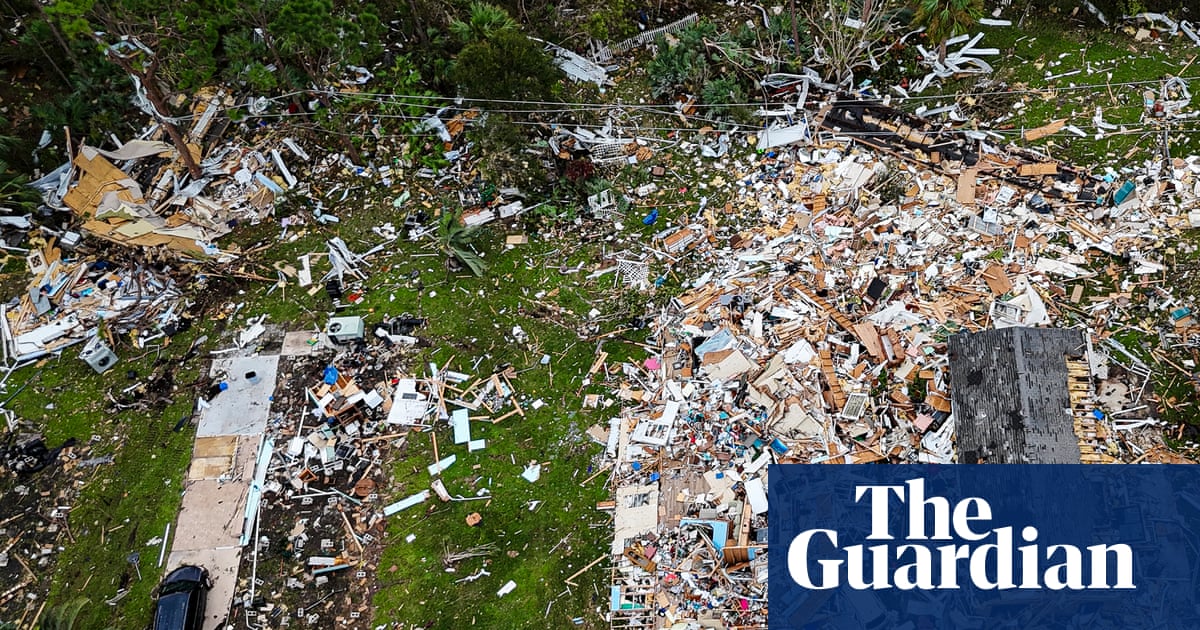
Hurricane Melissa’s destruction in Jamaica highlights a growing global reality: climate risks are accelerating faster than insurance adoption. With more than 90% of disaster losses in developing regions going uninsured and a worldwide protection gap exceeding $1.8 trillion annually, experts warn that traditional insurance systems can no longer keep up. New models—like parametric payouts, community‑based aggregation and bundled climate tools—are emerging, but governments and corporations must step in to prevent financial shocks from destabilizing entire economies.
Gravis Robotics, a Zurich-based startup, just raised $23 million to bring autonomous tech to construction sites facing a massive operator shortage. As demand surges for renewable energy projects, data centers, and new housing, Gravis retrofits traditional heavy machinery with AI-driven systems that can work autonomously or via remote guidance. With trials already underway across seven countries, the company is pushing a future where humans and robots collaborate — speeding up development timelines and reshaping industries from construction to real estate.
Zillow has quietly removed its climate‑risk scores after months of pressure from agents, homeowners, and listing services who said the warnings were scaring off buyers. The move has sparked a national debate: Is this a win for real estate sales or a setback for consumer transparency? Critics warn that without clear climate‑risk data, families could be “flying blind” into costly surprises like insurance spikes and flood damage. As climate impacts intensify and disclosure expectations rise, real estate professionals must stay informed—because whether Zillow shows the data or not, the risks aren’t going anywhere.
Florida’s property insurance crisis is becoming the defining issue heading into the 2026 election season. Republicans argue that recent reforms are finally stabilizing the market, pointing to reduced litigation and cooling reinsurance costs. Democrats counter that families are still facing unbearable premiums, with condo prices dropping over 8% and Floridians paying some of the highest insurance rates in the nation. As lawmakers prepare to return to Tallahassee, the future of insurance reform is set to become the central political fight—one that will directly impact homeowners, investors, and real estate professionals across the state.
Connectivity has become one of the most powerful differentiators in today’s real estate market. As smart buildings, automation, and sustainability demands accelerate, fiber networks are replacing outdated copper systems and reshaping property value. With lower energy use, unified smart‑building capabilities, reduced long‑term costs, and stronger tenant satisfaction, digital infrastructure is now central to investment strategy. Real estate professionals who understand this shift gain a competitive edge as the industry moves toward cleaner, smarter, more connected buildings.