Commercial Real Estate in 2026: Why New Jersey Is Quietly Becoming a Power Player
If you’re watching the commercial real estate world heading into 2026, one thing is clear: all eyes are on New Jersey. Jersey City and North Jersey have skyrocketed into the national spotlight, landing among the top investment markets in the new Emerging Trends in Real Estate report from PwC and the Urban Land Institute. Surprised? You shouldn’t be.
With redevelopment momentum, soaring demand for data centers, and an energetic lineup of mixed-use transformations, New Jersey is positioning itself as one of the most influential CRE markets in the nation. Still, rising construction costs, municipal fatigue, and tariff uncertainty continue shaping the narrative.
New Jersey Surges Into the Top 10 CRE Markets
In the 2026 rankings, Jersey City surged an impressive 17 spots to secure the No. 2 position nationally, while North Jersey climbed to No. 7. PwC analysts call Jersey City a “fast-growing commercial hub” thanks to its unbeatable proximity to New York City and its far more affordable business ecosystem.
From 2022 to 2025, the FIRE sector—finance, insurance and real estate—accounted for 63% of all leasing activity in the city. With talent, infrastructure and cost advantages, Jersey City is becoming a magnet for developers, startups and global firms alike.
For rising and seasoned professionals, this growth signals opportunity—especially for those seeking new licenses or expanding credentials through schools like Cameron Academy, which supports professionals aiming to build sustainable, future-ready careers.
The Headwinds: Costs, Tariffs and Municipal Fatigue
Despite the excitement, developers face clear challenges. Attorneys Donald Pepe and Joe DeMarco of Scarinci Hollenbeck highlight increasing construction expenses, stalled projects and stiffer financing conditions. Many municipalities, after years of pressure to solve housing shortages, are showing signs of development fatigue.
While larger developers can often absorb these delays, the climate is far more daunting for those managing 5- to 12-unit projects.
Data Centers: Booming Demand, Limited Supply
If there’s a star in 2026, it’s data centers. Nationwide, vacancy rates hover below 2%, with most new facilities fully pre-leased before breaking ground. But in New Jersey, limited land and utility concerns are slowing expansion.
Yet major players push forward. CoreSite’s new Secaucus facility adds 138,000 square feet of digital infrastructure—proof of the region’s unmatched connectivity value.
Retail Reimagined: The Rise of Mixed-Use Centers
One of the most dynamic transformations is happening in former retail corridors. Places like Flemington, Voorhees, Eatontown and Paramus are seeing aging retail centers reborn as vibrant mixed-use micro-communities.
Developers are responding to a simple truth, as DeMarco puts it: “Everyone wants a center of town.”
Health Care Is Becoming the New Industrial
New Jersey health systems are rapidly building modern ambulatory and outpatient facilities. Hackensack Meridian Health alone has multiple wellness centers emerging across the region.
Medical projects have become one of the easiest development types to finance and approve—earning their reputation as “the new warehouse.”
The Affordable Housing Squeeze
From zoning deadlines to state mandates, affordable housing requirements are shaping development more than ever. With municipalities needing updated zoning by early spring, planning boards will be overwhelmed—leaving less bandwidth for other commercial projects.
Developers must plan early, as design itself is often dictated by required unit distribution.
AI in Commercial Real Estate: A Sharp, Useful Tool
Artificial intelligence is increasingly used for contract review, document analysis and deal prep. But experts warn against overreliance—especially for younger professionals still building foundational skills.
AI accelerates due diligence, but does not replace human expertise. Instead, it’s a fast, powerful support tool.
Bright Spots and Long-Term Optimism
Despite hurdles, New Jersey’s location between New York and Philadelphia remains unmatched. Strong schools, skilled talent and thriving communities create long-term appeal.
Developers remain energized. As Pepe notes, “Hurdles are there to be jumped over.”
For professionals exploring careers in commercial real estate, development, mortgage, insurance or any license-driven field, market awareness is essential. And for those seeking to grow their credentials, Cameron Academy continues to offer modern, flexible and accessible education nationwide.
To explore the full insights and original analysis, visit NJBIZ and PwC’s Emerging Trends in Real Estate 2026 report.
More Articles
Getting licensed or staying ahead in your career can be a journey—but it doesn’t have to be overwhelming. Grab your favorite coffee or tea, take a moment to relax, and browse through our articles. Whether you’re just starting out or renewing your expertise, we’ve got tips, insights, and advice to keep you moving forward. Here’s to your success—one sip and one step at a time!
Los Alamitos Race Course is facing its most serious crisis in years after 18 horses died in 2025, prompting regulators to warn the track that its racing license is at risk without immediate safety reforms. Following three catastrophic injuries in a single day, the California Horse Racing Board has ordered urgent changes—including more veterinarians, stricter medication rules, and enhanced on‑track medical support—as pressure mounts for stronger oversight in a sport already under national scrutiny.
Canadian investors have poured more than US$5.8 billion into U.S. commercial real estate this year, making the U.S. their top destination even amid a lingering tariff dispute. Tight inventory in Canada and greater deal availability south of the border are driving the trend, with data centers and industrial properties emerging as the hottest targets for 2025.
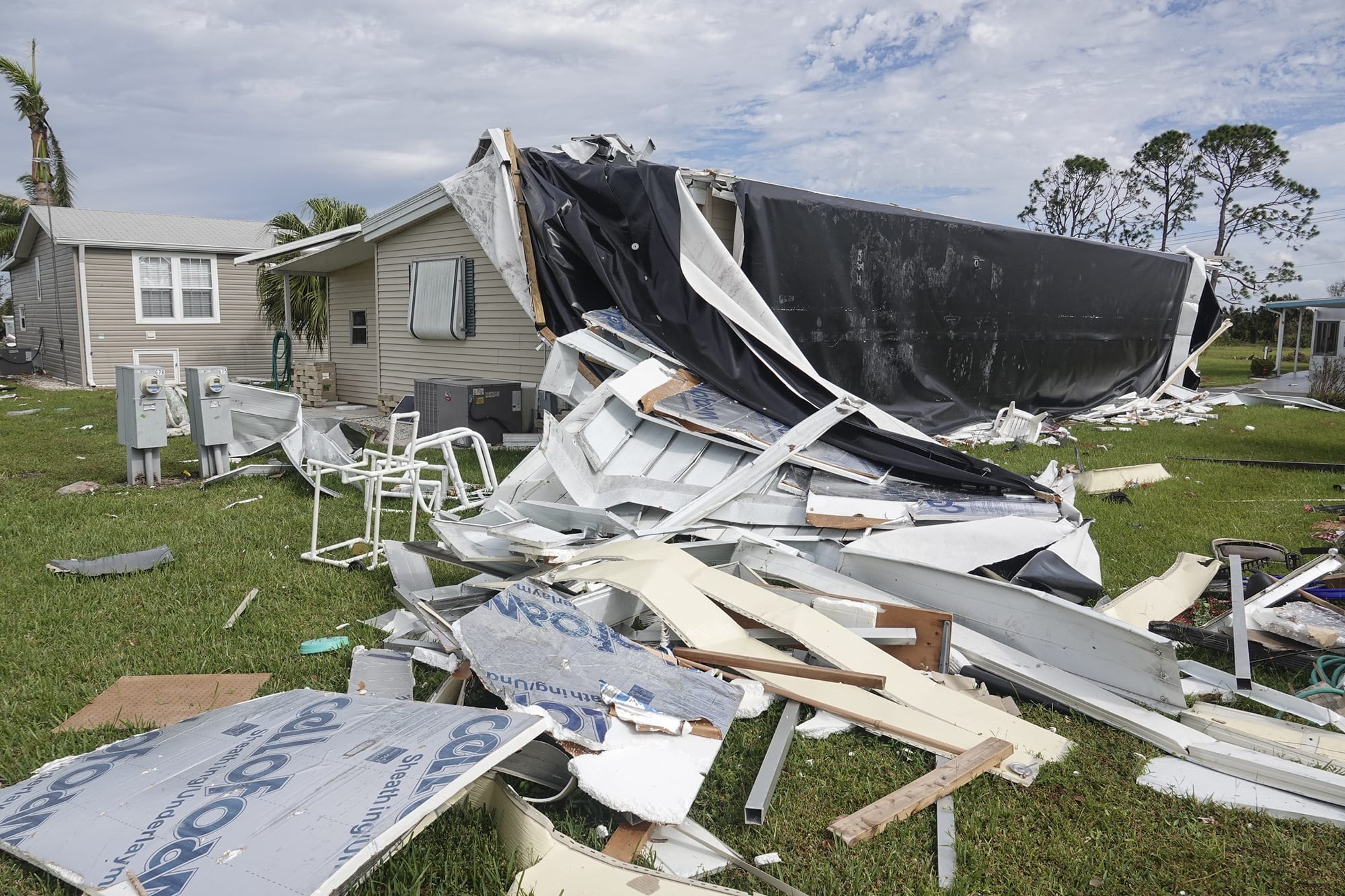
Florida’s insurance commissioner says even industry pros struggle to read today’s 150‑page homeowners policies—leaving residents shocked when hurricane claims are denied. With rising premiums, high replacement costs, and widespread confusion over exclusions like flood and water damage, the state is pushing for simpler, clearer policy language so homeowners know what they’re actually covered for before the next storm hits.
Following the 2025 elections, major metros like New York, Chicago, Miami, Los Angeles, and Boston are implementing policy shifts that could reshape property values, rental income, development timelines, and investment strategy heading into 2026. From New York’s push toward aggressive rent reform to Chicago’s sustainability mandates and Miami’s uncertain mayoral runoff, these changes signal a new era where local politics increasingly dictate market performance. This breakdown highlights the biggest post‑election real estate pivots and what they mean for investors, agents, and finance professionals preparing for a rapidly evolving landscape.
Florida’s Insurance Commissioner is sounding the alarm after thousands of homeowners discovered—only after hurricanes Helene and Milton—that the coverage they thought they had didn’t exist. With nearly 150,000 unpaid claims tied to misunderstood flood exclusions, water‑damage caps, and buried policy clauses, state leaders are pushing to simplify the dense, confusing documents most Floridians never read. As insurance costs remain one of the state’s top concerns, this growing complexity is creating a massive opportunity for real estate, mortgage, and insurance professionals to guide consumers before disaster strikes.
Florida’s insurance market is reliving an old crisis under a new name. Despite reforms meant to stabilize the system, homeowners are being forced out of Citizens and into pricier policies from small insurers with shaky financial histories. Companies tied to past insolvencies are returning with fresh branding, while highly rated carriers continue to deny a majority of claims. With political influence muddying regulation and climate risks rising, experts warn that only a full structural overhaul—not cosmetic reforms—can restore confidence for homeowners, agents, and the entire real estate market.