New Orleans Triennial Positions the City as a Model for a Precarious, Adaptive Future
In the heart of New Orleans, a city renowned for its resilience and cultural vibrancy, the sixth edition of Prospect New Orleans unfolds as a powerful narrative of survival and adaptability. Co-curated by Miranda Lash and Ebony G. Patterson, this contemporary-art triennial reimagines New Orleans not as a city in need of rescue, but as a beacon of strength and foresight in the face of natural and social adversities.
The triennial’s theme, encapsulated in the title The Future Is Present, The Harbinger Is Home, challenges cities like New York and Los Angeles to learn from New Orleans’ model of sustainability. This artistic celebration positions New Orleans as a city already living in the future, where climate catastrophes and historical reckonings are not just anticipated but embraced as part of everyday life.
“This framework postulates New Orleans as already living in the future,” said Patterson during the exhibition’s opening. Lash added, “We want to show New Orleans as a gift and as a scout.” The exhibition, featuring 51 artists across 21 venues, highlights how contemporary art can serve as an engine of coping, rather than mere recovery.
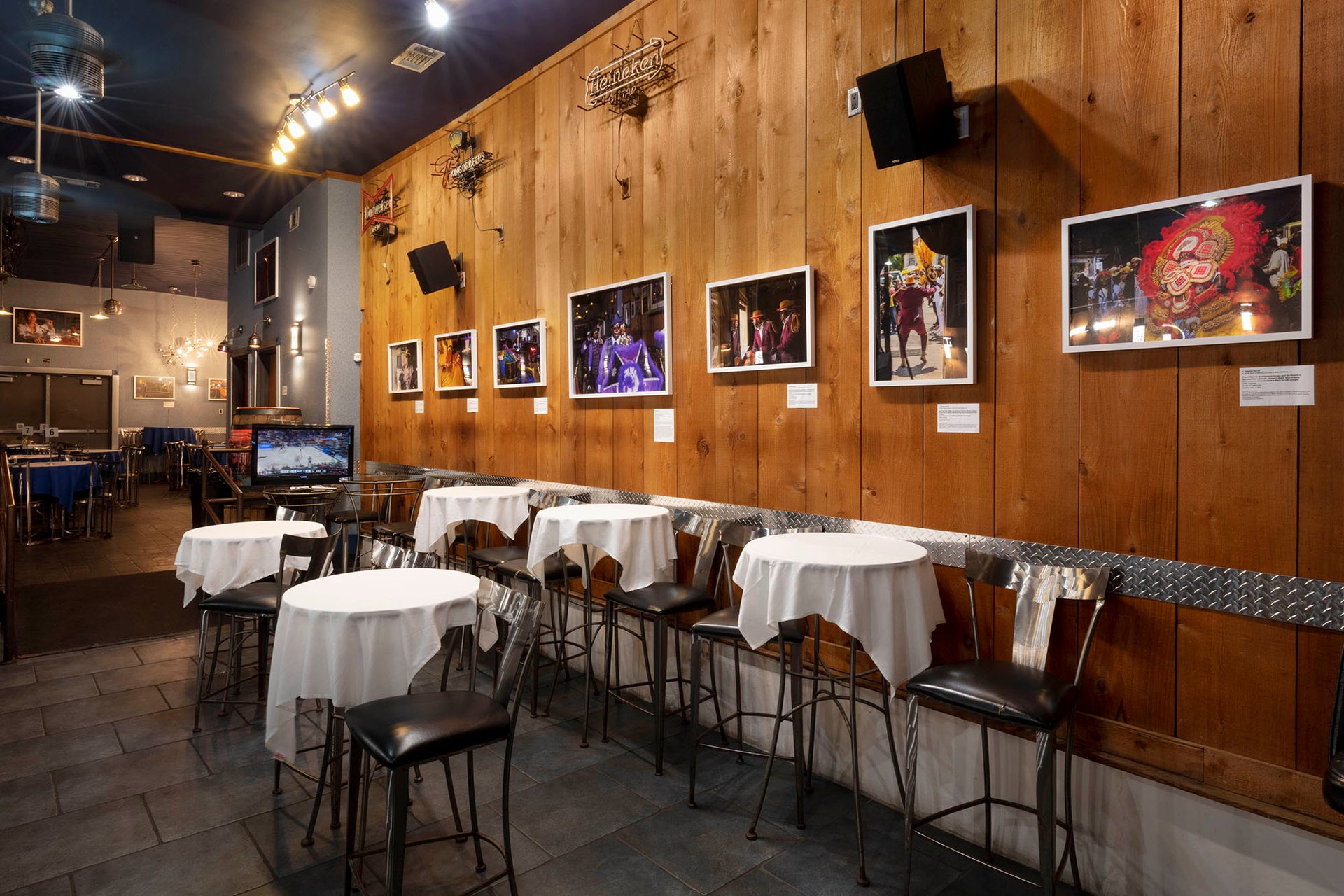
Several artists explore themes of adaptability and endurance through archival and documentary projects. L. Kasimu Harris, a New Orleans-based artist, documents the city’s Black-owned bars in his series Vanishing Black Bars & Lounges, capturing the essence of a community facing gentrification.
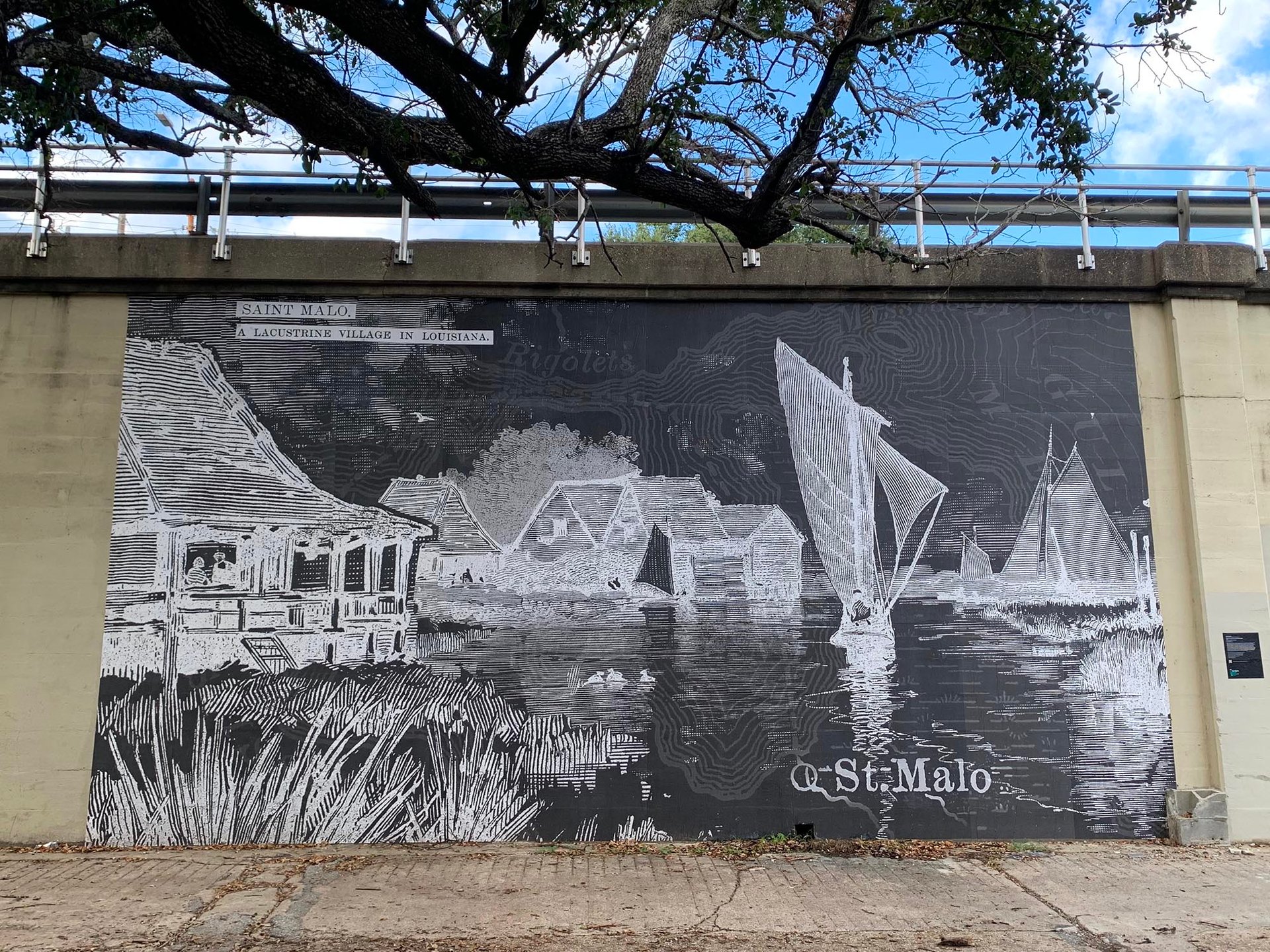
Stephanie Syjuco’s mural, Phantom Visions (The Lacustrine Village of St. Malo), draws on historical imagery to preserve the legacy of St Malo, Louisiana, the first permanent Filipino settlement in the US.
The exhibition also highlights Tuan Mami’s Seeding the Future, a collaborative project with New Orleans’ Vietnamese community, emphasizing community building through the act of planting seeds.
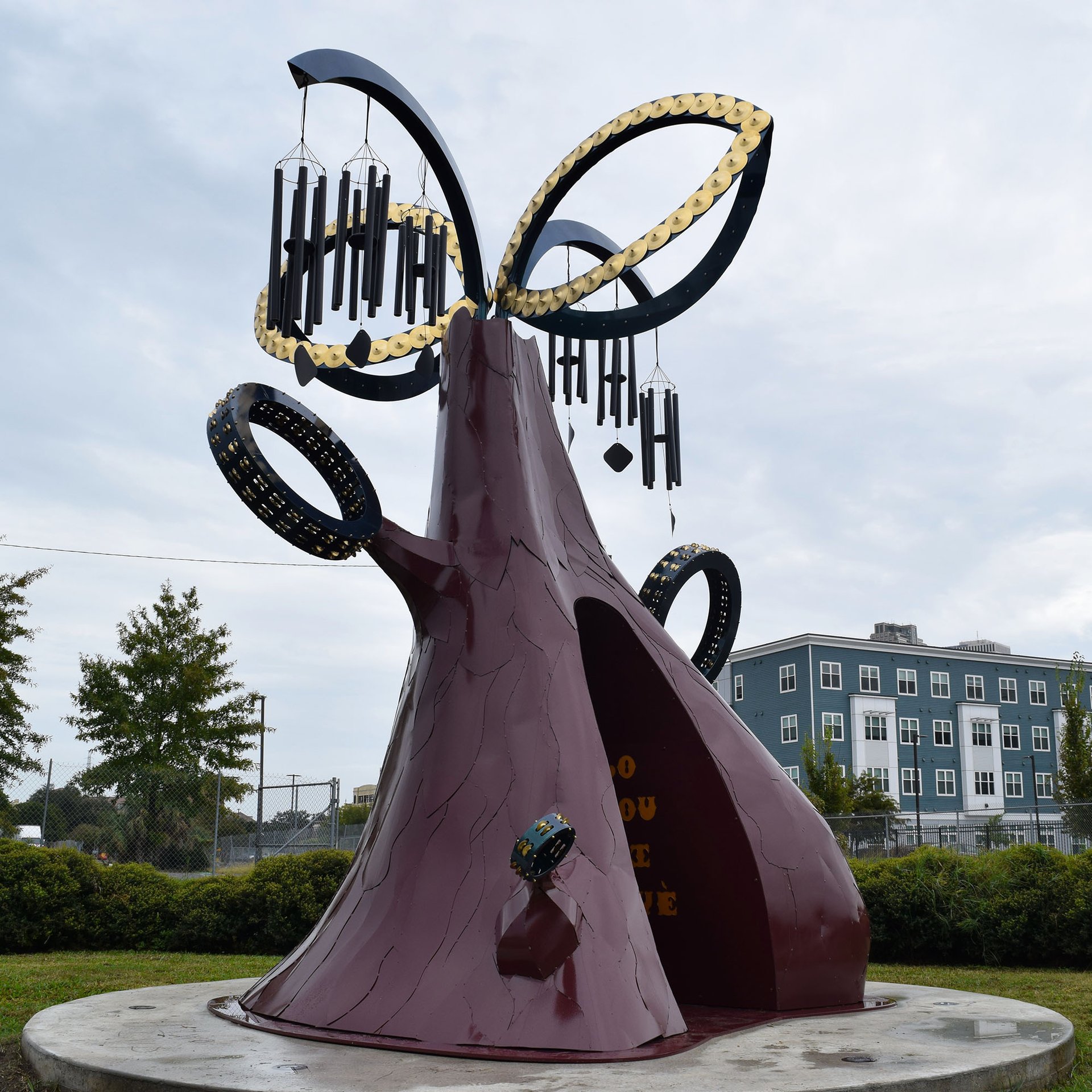
In a striking transformation, Raúl de Nieves reclaims a former Confederate monument as a tribute to New Orleans’ queer and Latinx communities, while Ashley Teamer’s Tambourine Cypress serves as a beacon for community connection.
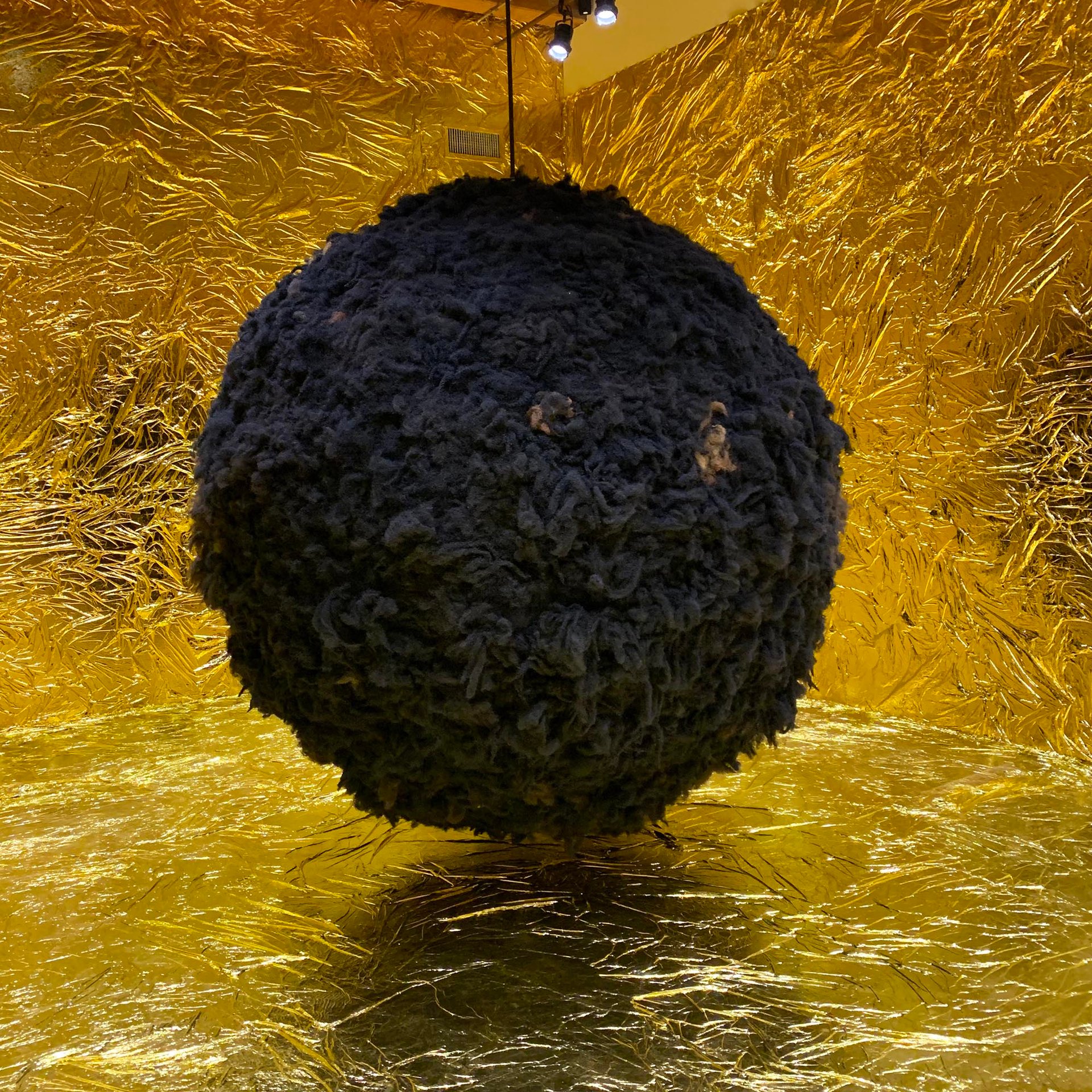
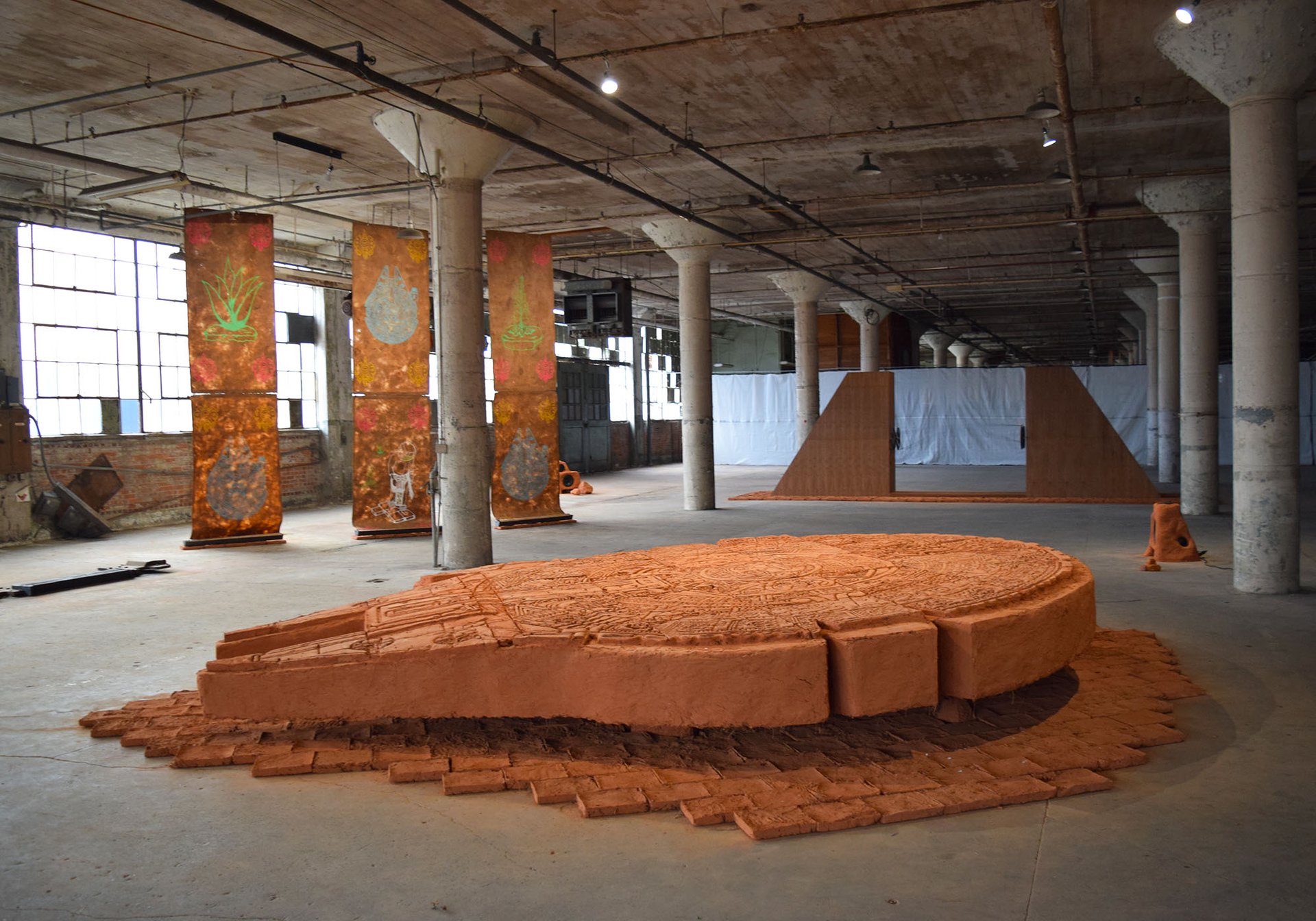
The triennial’s exploration of imagined futures continues at the Ford Motor Plant, where artists Zalika Azim, rafa esparza, and Dewey Tafoya blend futuristic and ancient iconographies in their collaborative work.
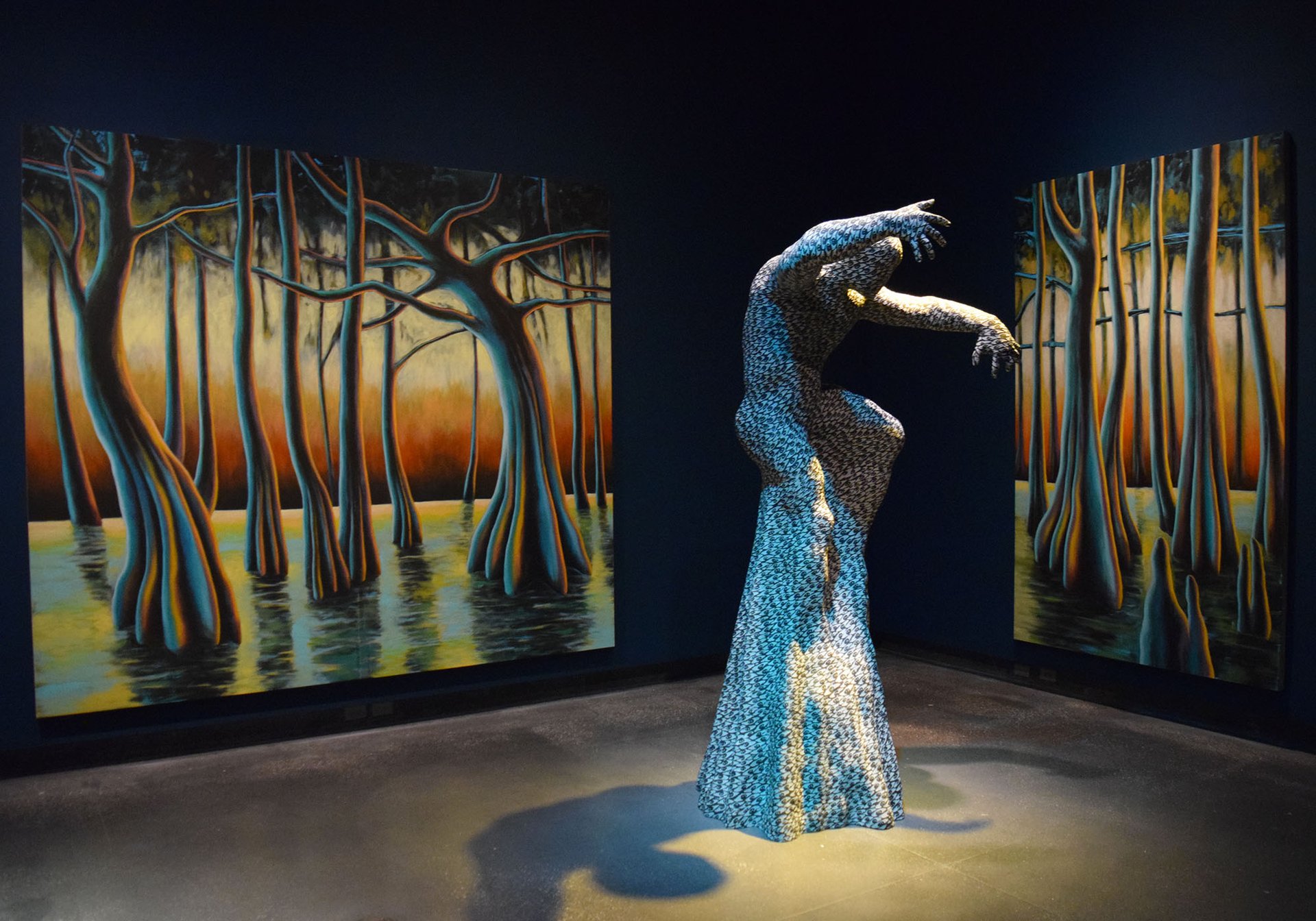
Didier William’s installation Gesture to Home at the Historic New Orleans Collection connects the artist’s Haitian roots with Louisiana’s history, using the region’s cypress trees as symbols of resilience.
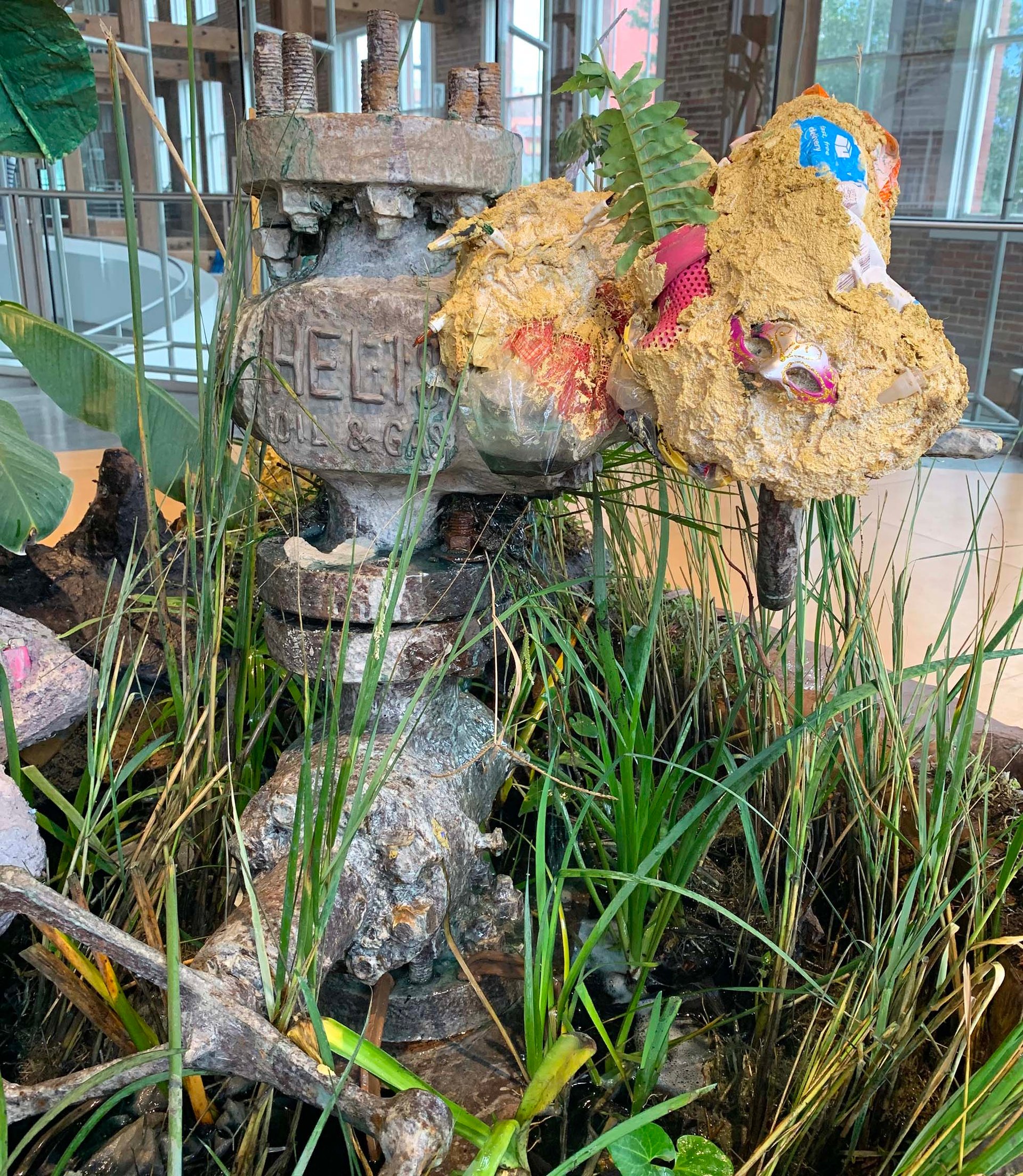
At the Contemporary Arts Center, Hannah Chalew’s Orphan Well Gamma Garden transforms Louisiana’s oil infrastructure into a commentary on environmental impact and cultural entrenchment.
From capturing community memories to envisioning possible futures, The Future Is Present, The Harbinger Is Home offers a compelling vision of resilience and adaptability, with New Orleans at its heart, leading the way forward.
More Articles
Getting licensed or staying ahead in your career can be a journey—but it doesn’t have to be overwhelming. Grab your favorite coffee or tea, take a moment to relax, and browse through our articles. Whether you’re just starting out or renewing your expertise, we’ve got tips, insights, and advice to keep you moving forward. Here’s to your success—one sip and one step at a time!
The greenhouse industry is entering 2026 with a complex wave of overlapping risks — from rising insurance costs and extreme weather to cyber threats, labor shortages, and unstable supply chains. These challenges aren’t isolated; they compound one another, increasing pressure on growers and business owners alike. Insights from industry experts reveal the key trends shaping risk management in the year ahead and what operators must do now to stay resilient.
New FDIC reporting rules are changing how banks classify and disclose commercial real estate loans, replacing the old Troubled Debt Restructuring label with clearer “financial difficulty” modifications and expanding transparency across structured products and capital requirements. These updates may briefly tighten lending but ultimately promise stronger liquidity, cleaner risk data, and more predictable CRE financing as banks adapt.
Artificial intelligence is no longer an upcoming trend—it's already reshaping how real estate professionals work, compete, and win. With the AI real estate sector set to surge from $222B in 2024 to nearly $1T by 2029, the industry is undergoing a rapid transformation in valuations, virtual tours, listings, investment analysis, and client management. Agents and investors who embrace AI tools are gaining unprecedented efficiency and insight, while those who resist risk falling behind.
The Federal Housing Finance Agency is weighing the idea of 50‑year mortgages, a move that could make monthly payments more affordable but dramatically increase total interest costs. Supporters say it may help young professionals break into the housing market, while critics warn it could trap families in half a century of debt. As the industry debates this controversial loan option, real estate and mortgage professionals must stay informed to guide clients through the shifting landscape.
December is shaping up to be another unpredictable month for mortgage rates. With the Federal Reserve signaling mixed messages, key economic reports running behind schedule, and lenders already looking ahead to 2026, rates could face upward pressure. Experts from Fannie Mae and the MBA project an average 30‑year rate around 6.3% for late 2025, suggesting a potential December bump. For real estate and mortgage professionals, understanding this volatility isn’t just helpful — it’s a competitive edge.
Sellers are cutting prices at record levels, delistings are surging to highs not seen since 2017, and buyers remain hesitant despite slightly lower mortgage rates. With affordability still strained and new construction slowing, the 2025 housing market is entering a deeper‑than‑usual winter slowdown marked by caution on all sides.